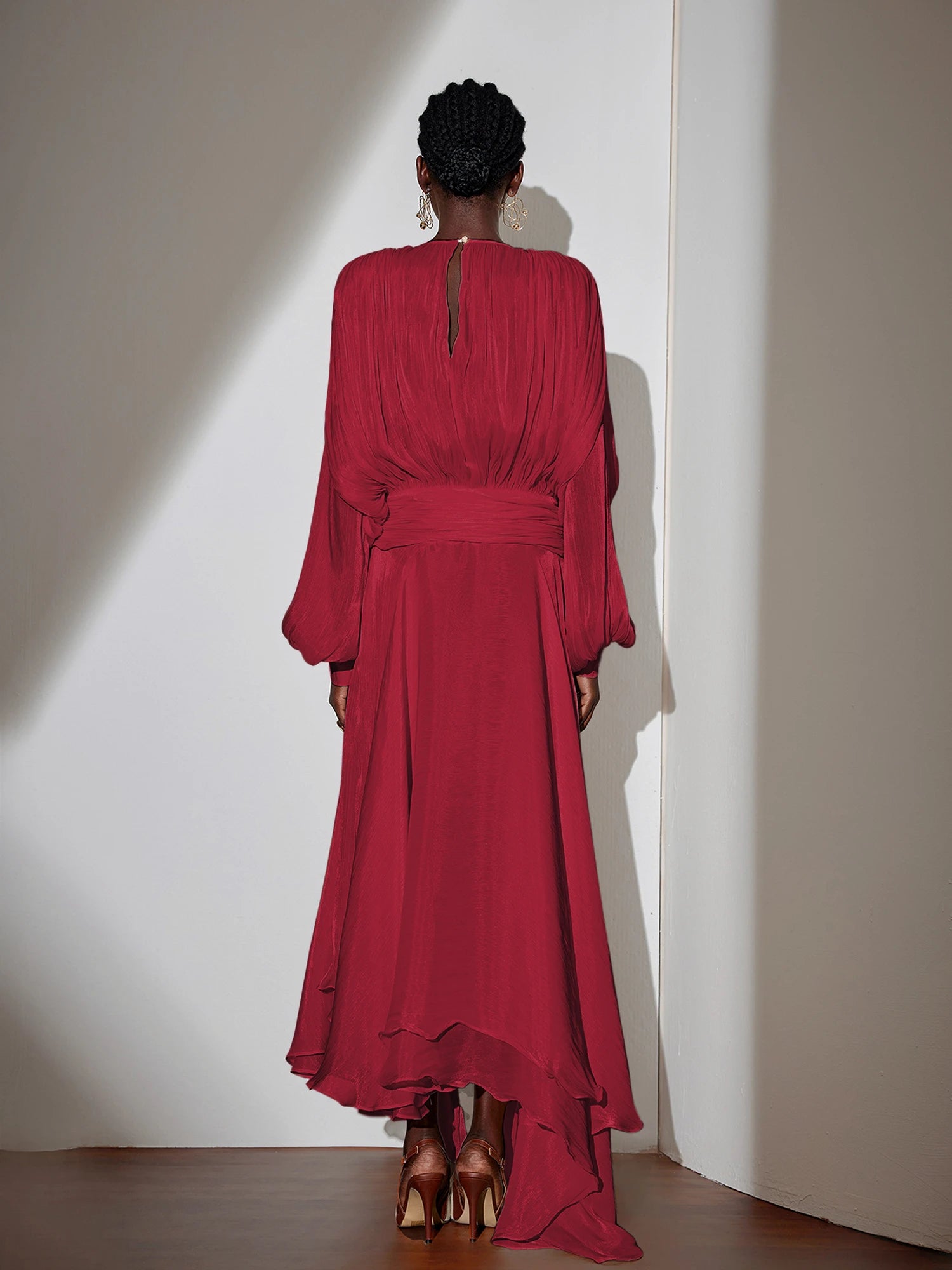
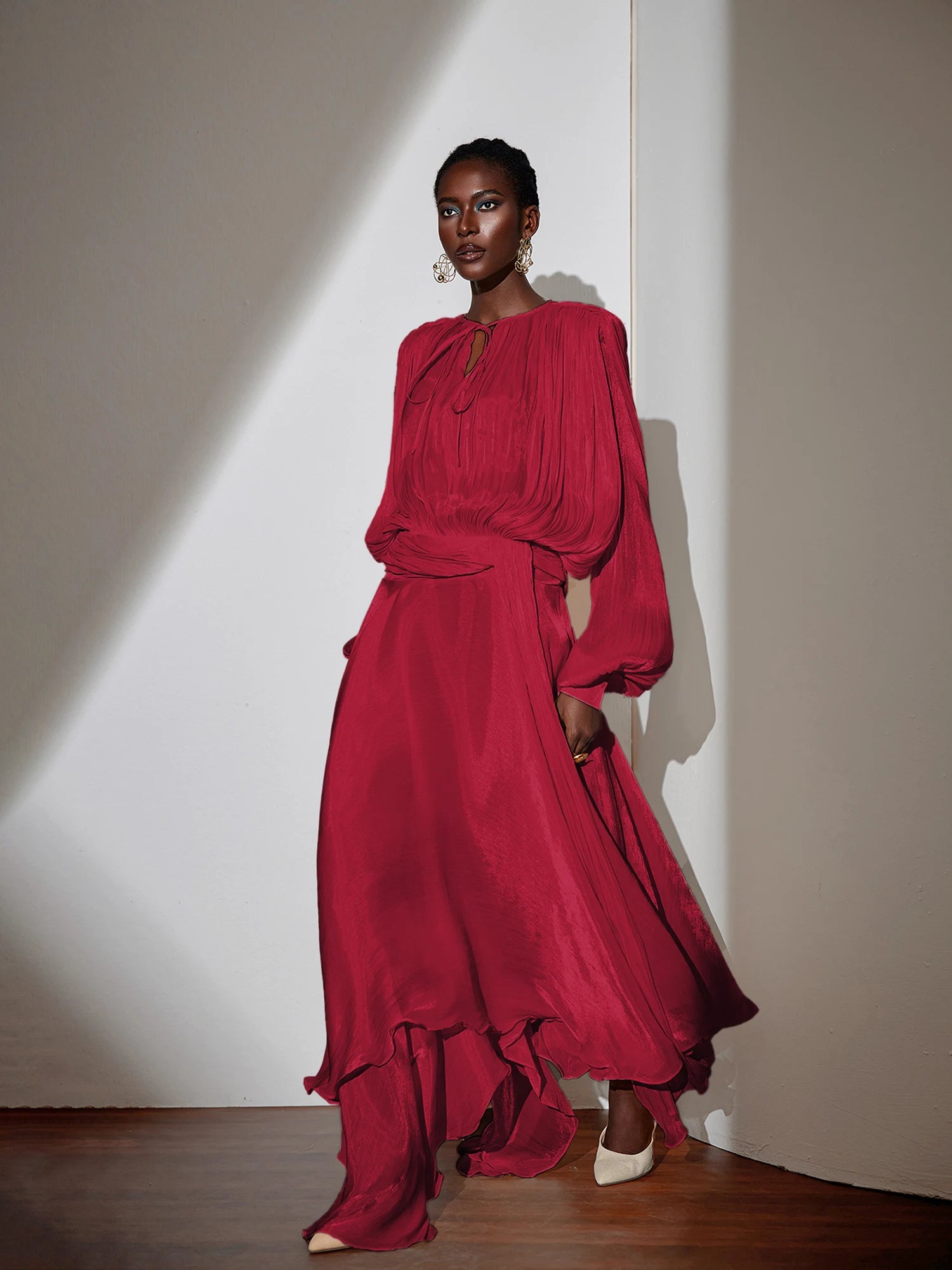
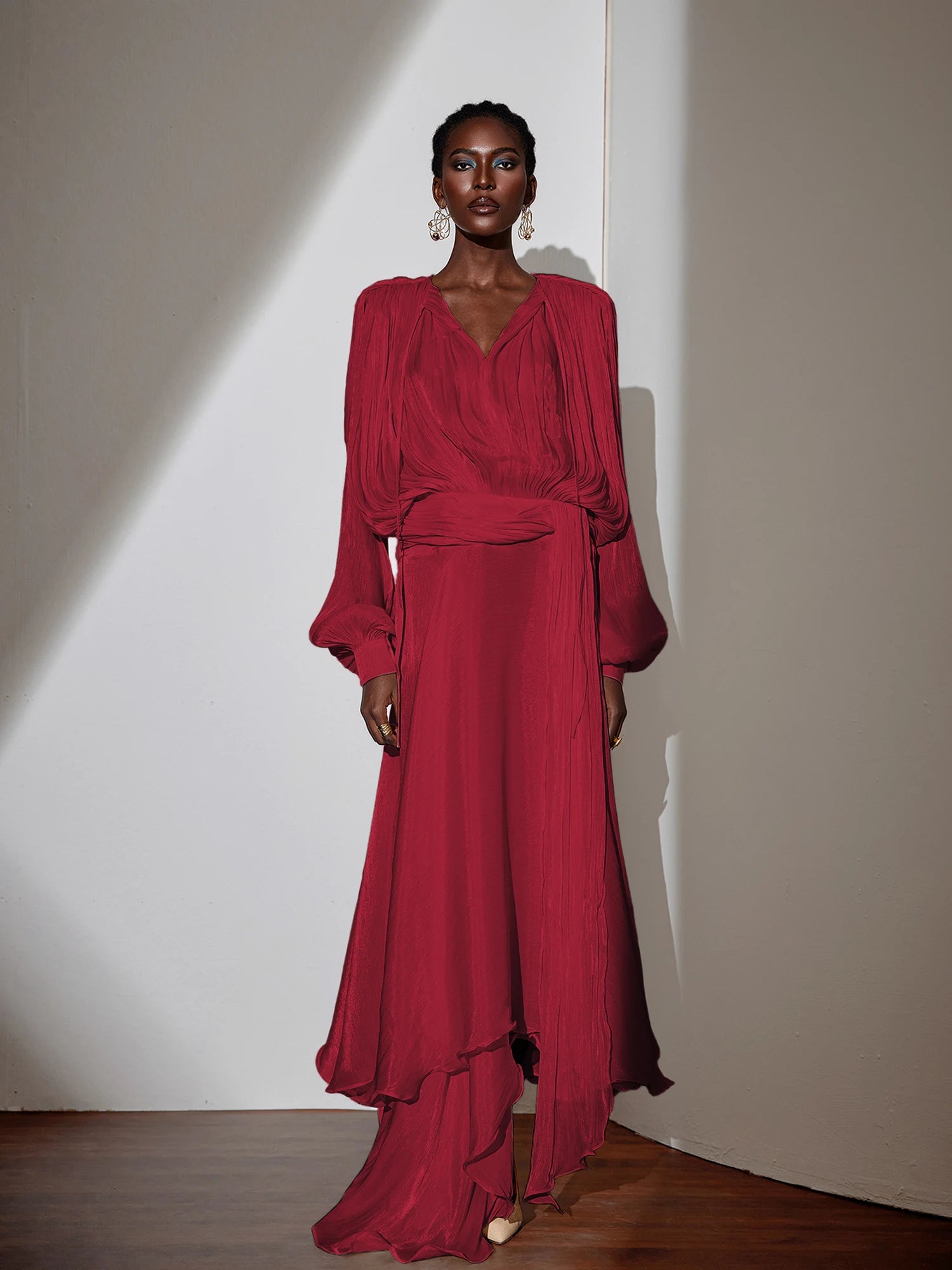
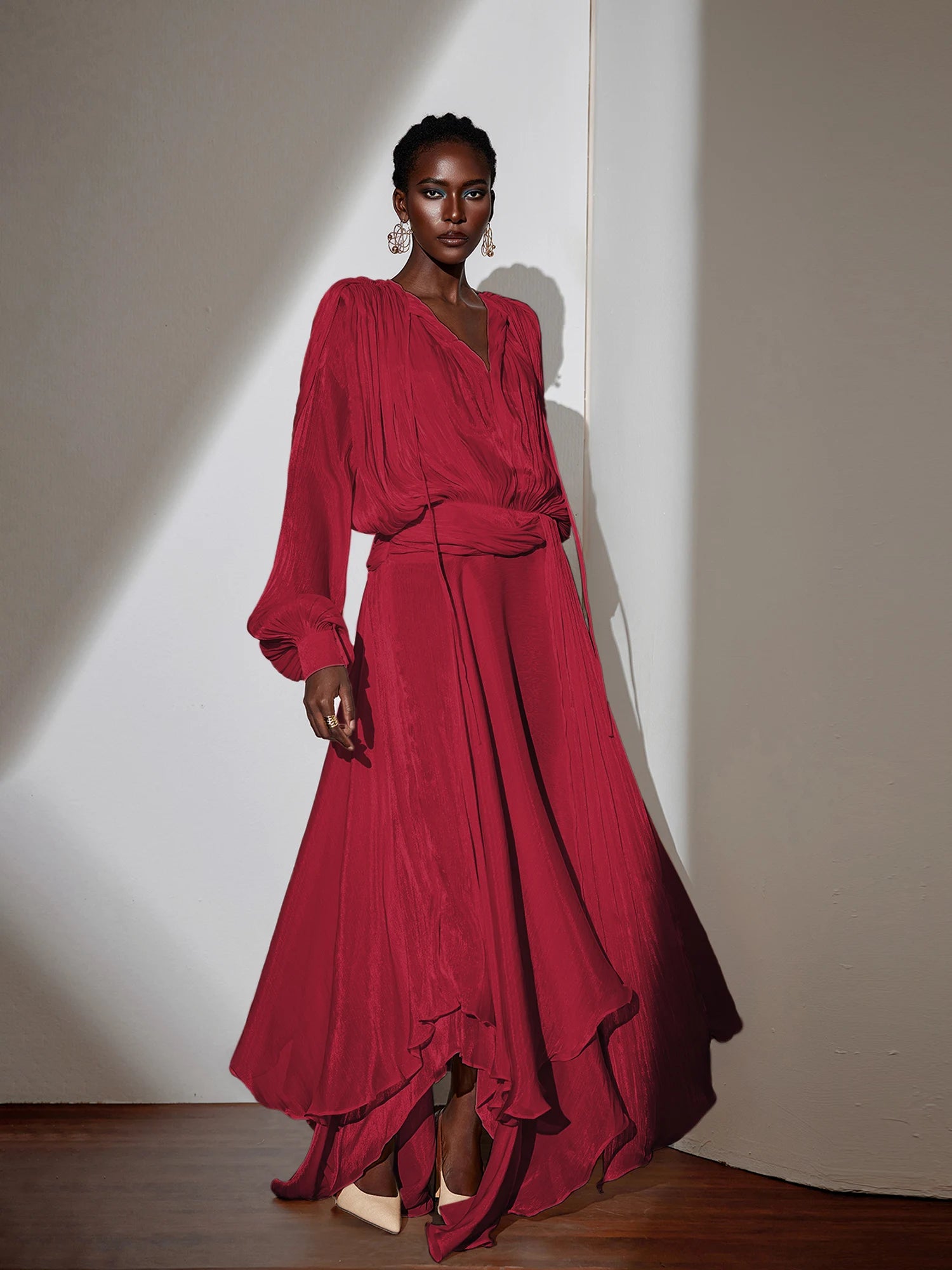
Hey babe!
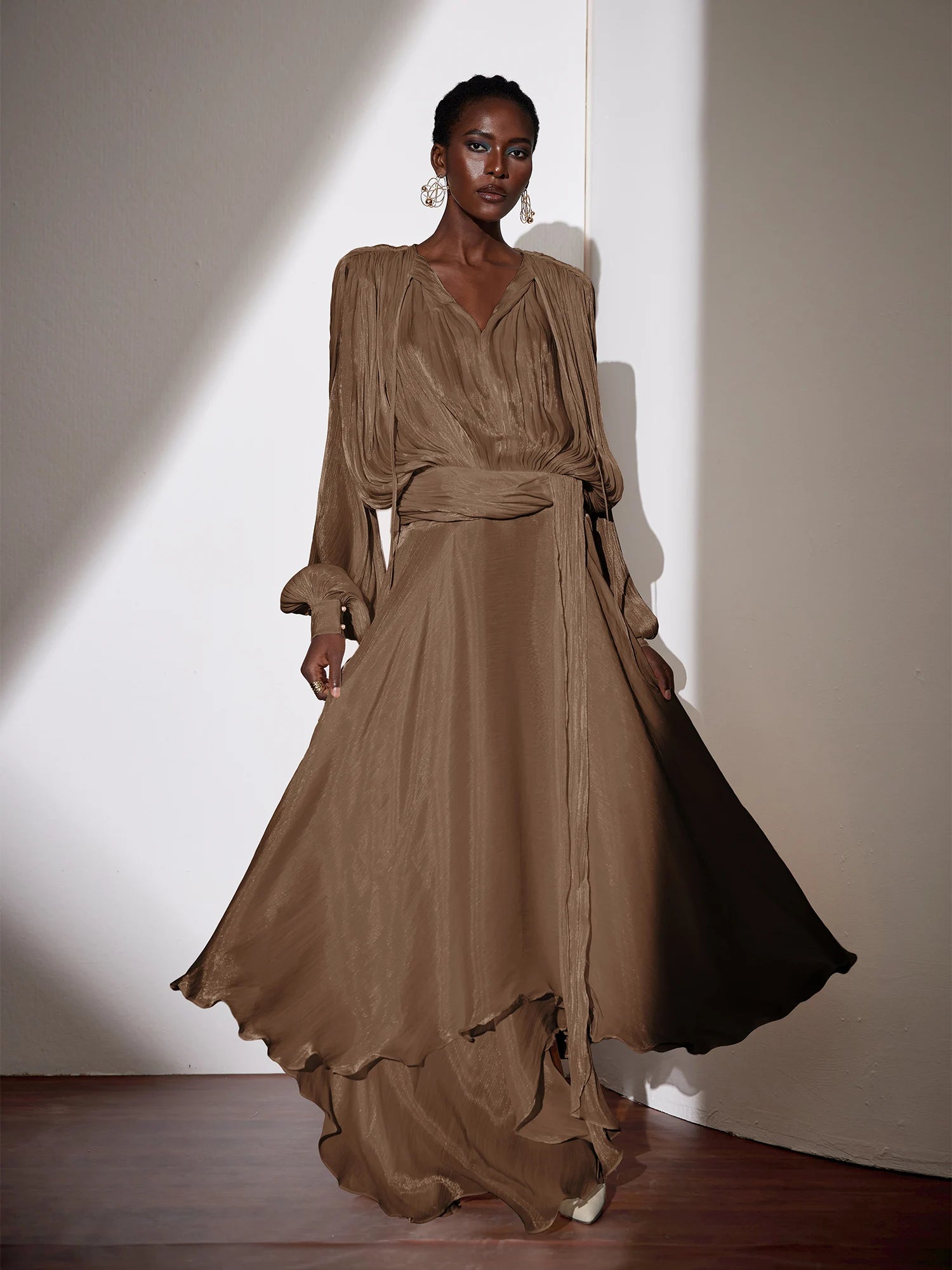
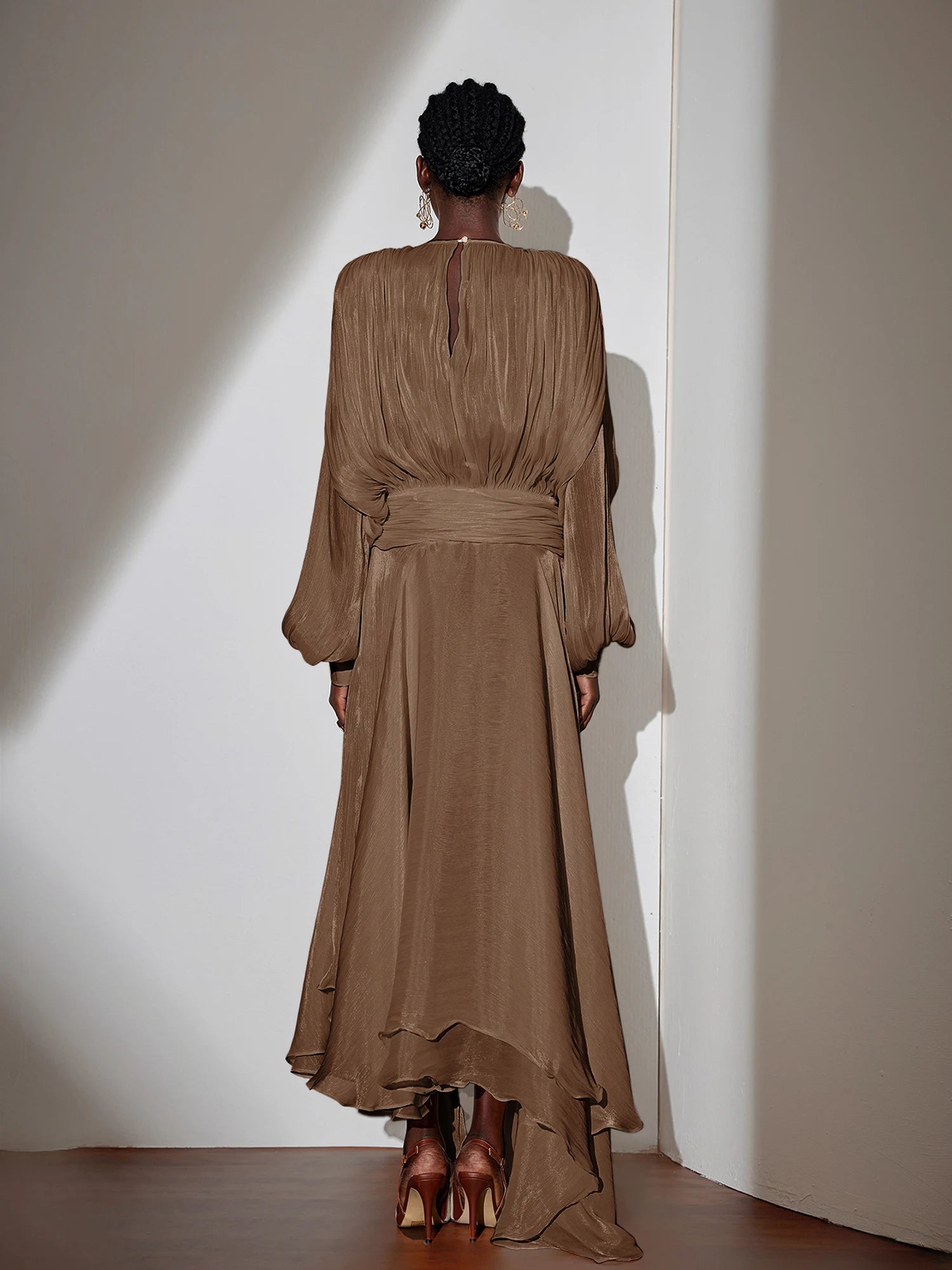
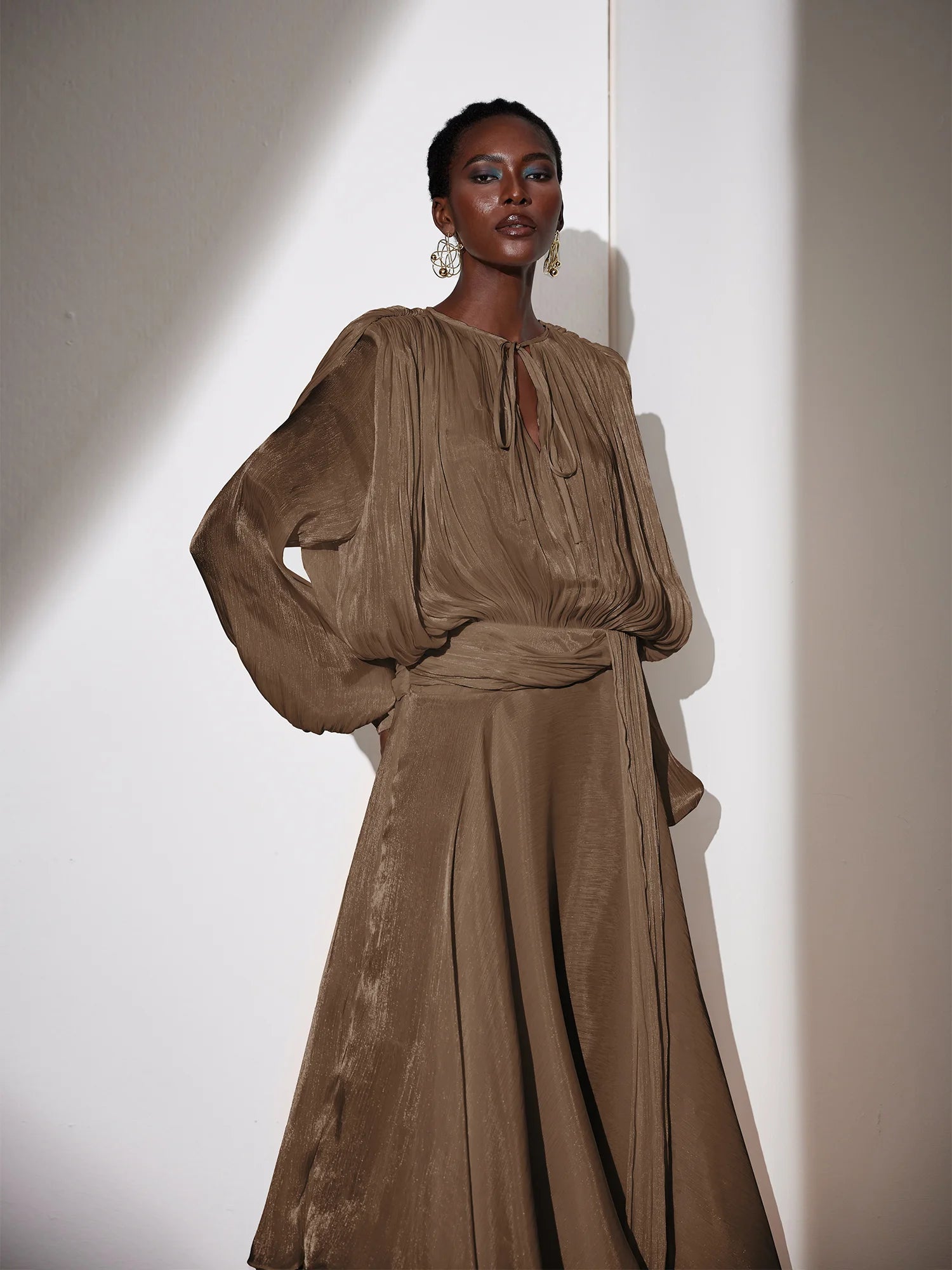
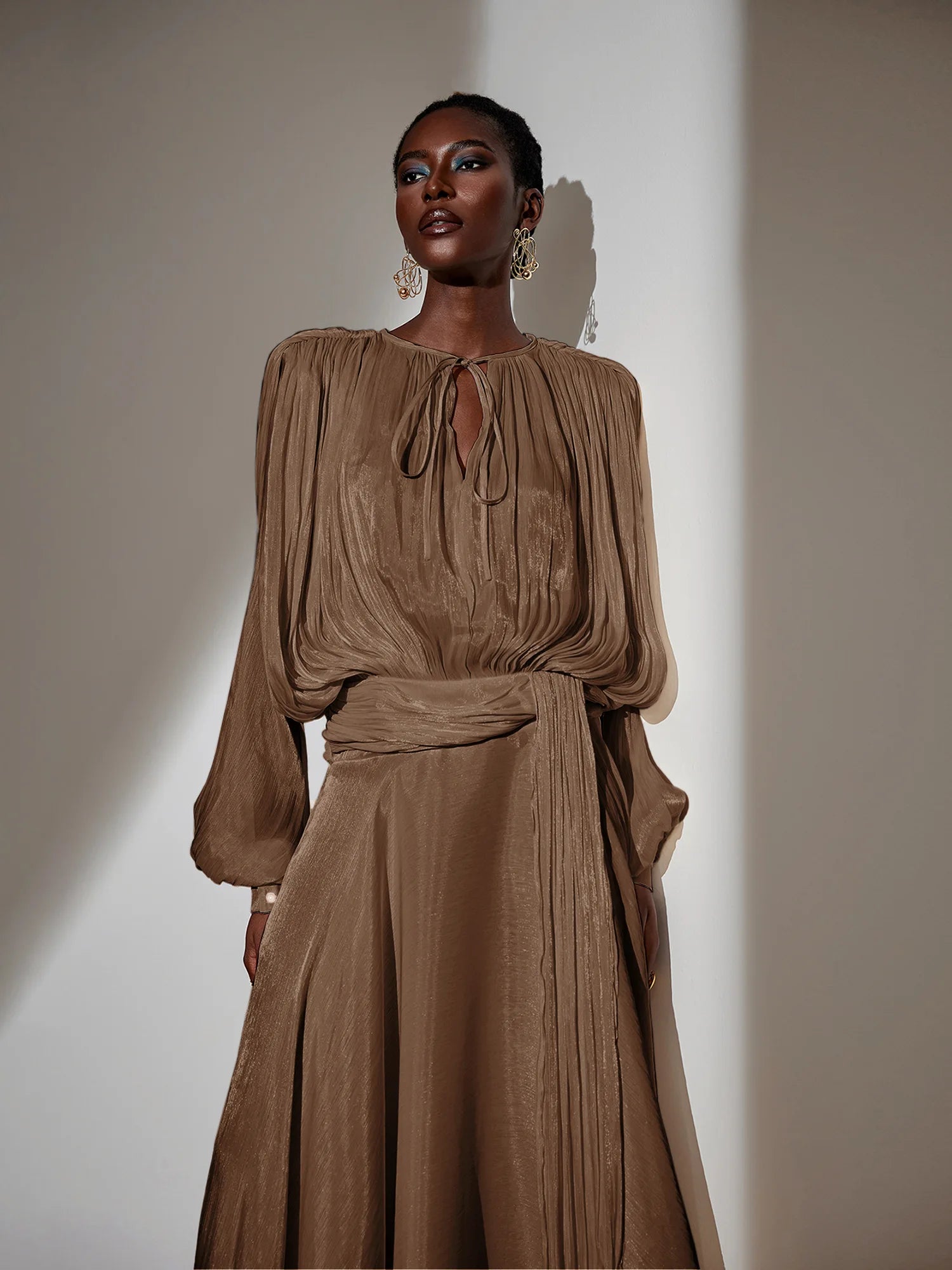
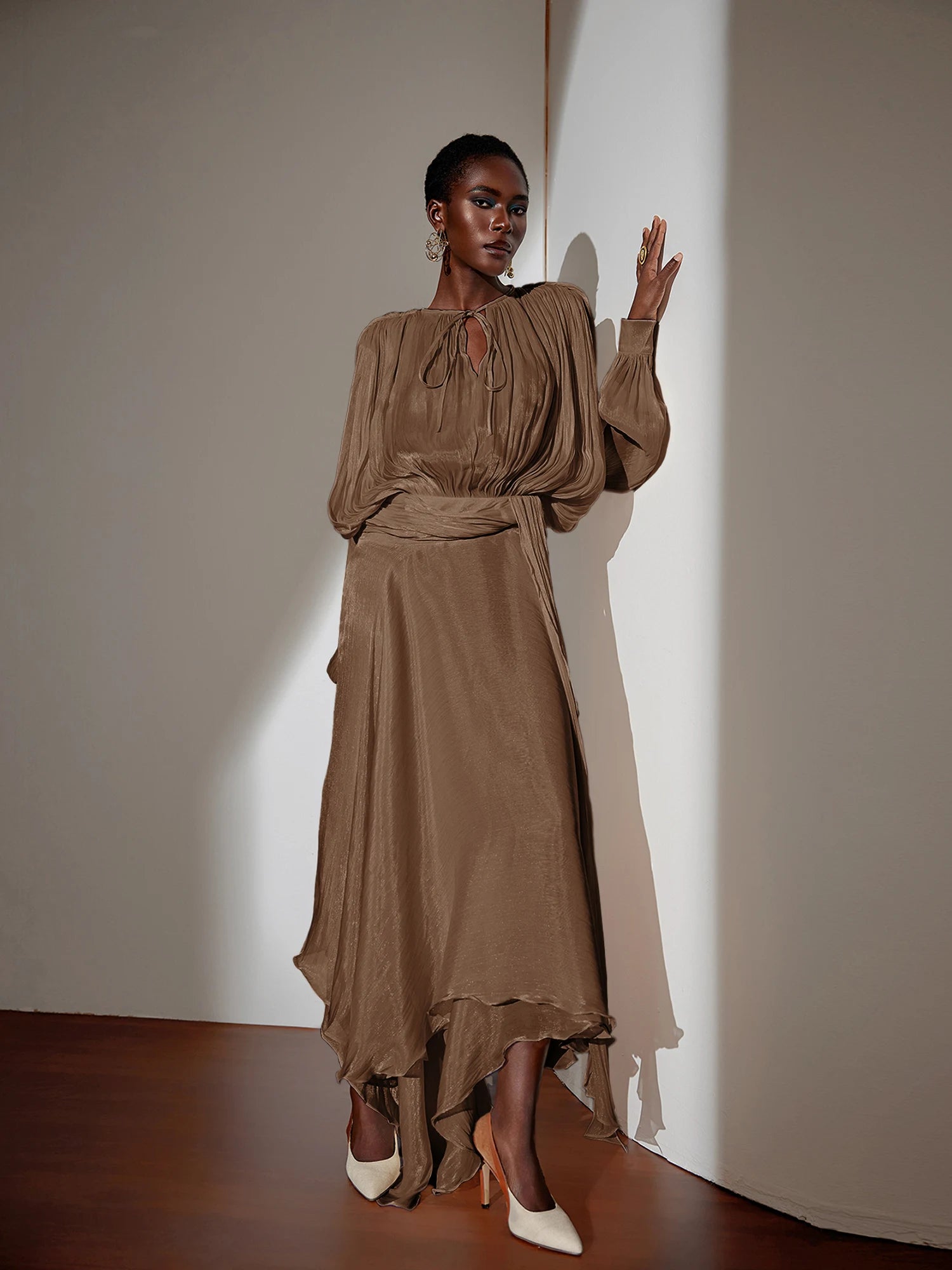
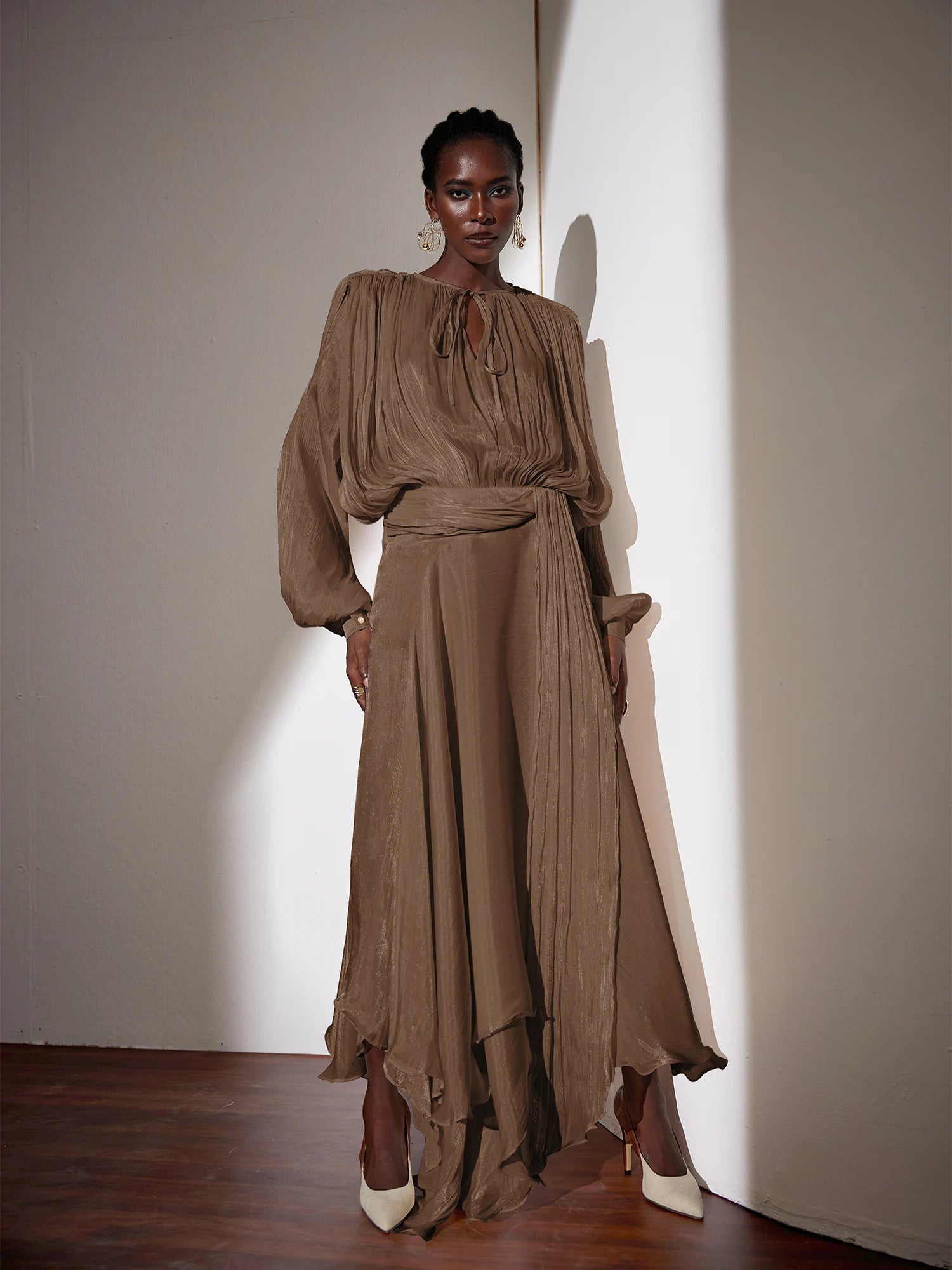
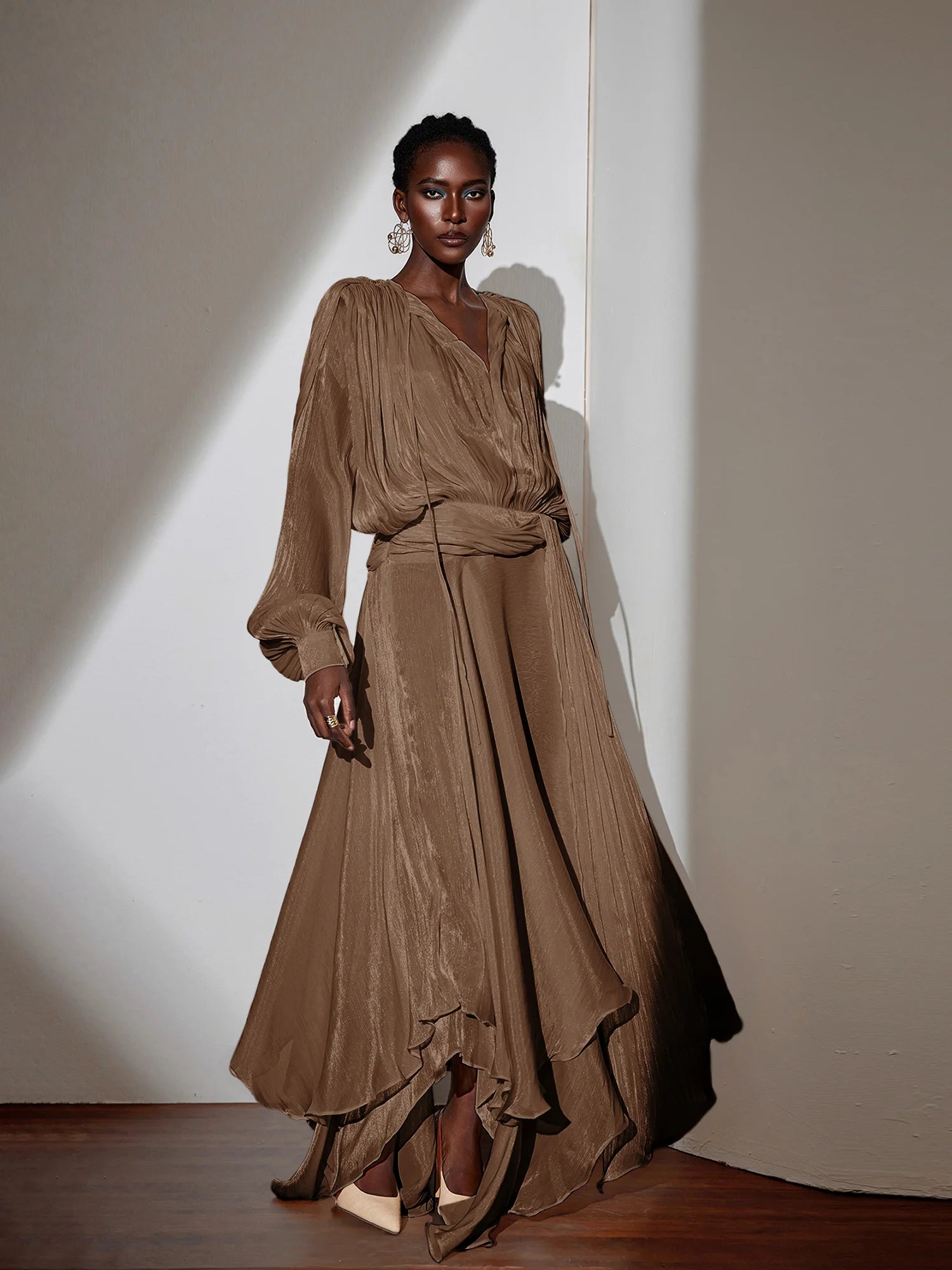
Ever stared into your closet wondering how to combine colors without looking too matchy or chaotic? The 60‑30‑10 rule is a styling cheat‑code: pick a dominant color for 60% of your outfit, a secondary color for 30%, and an accent for the final 10%.
Let’s see how this works with Noosgop‑friendly tones.
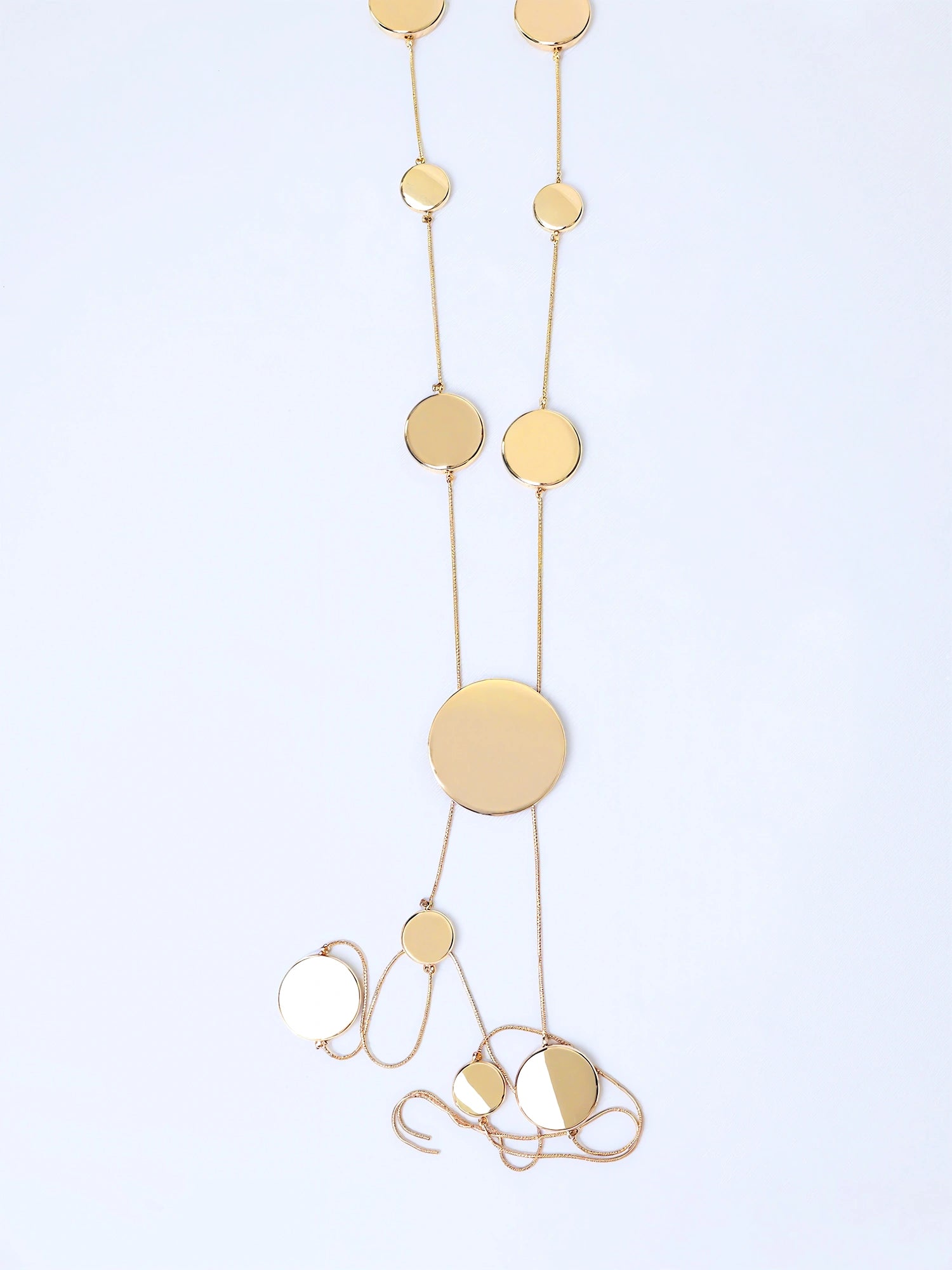
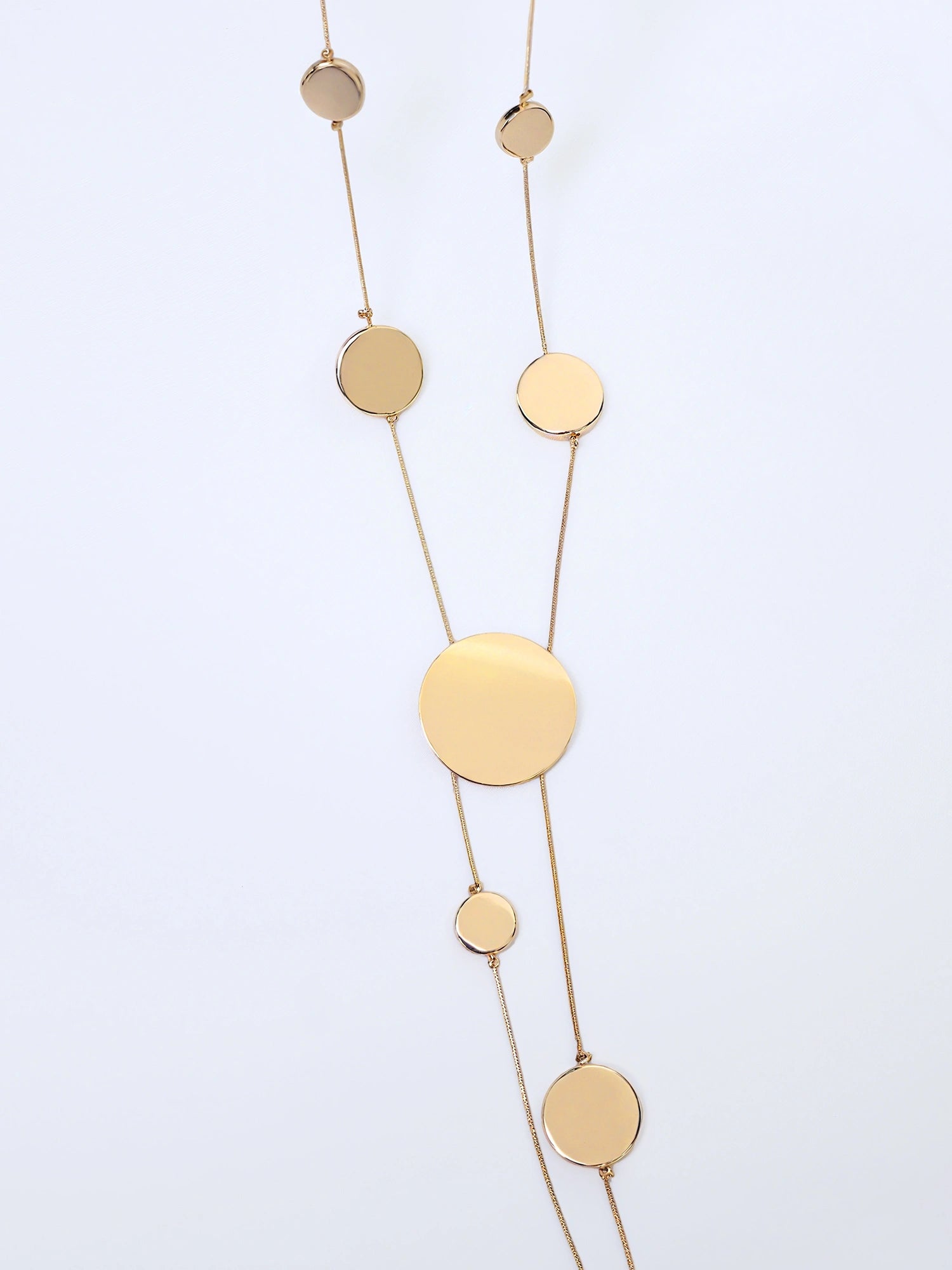
1.Dominant Neutrals + Soft Accent + Metal Detail
60%: Main piece in a neutral like soft gray or ivory
30%: Secondary piece in warm tone—camel, apricot, or blush
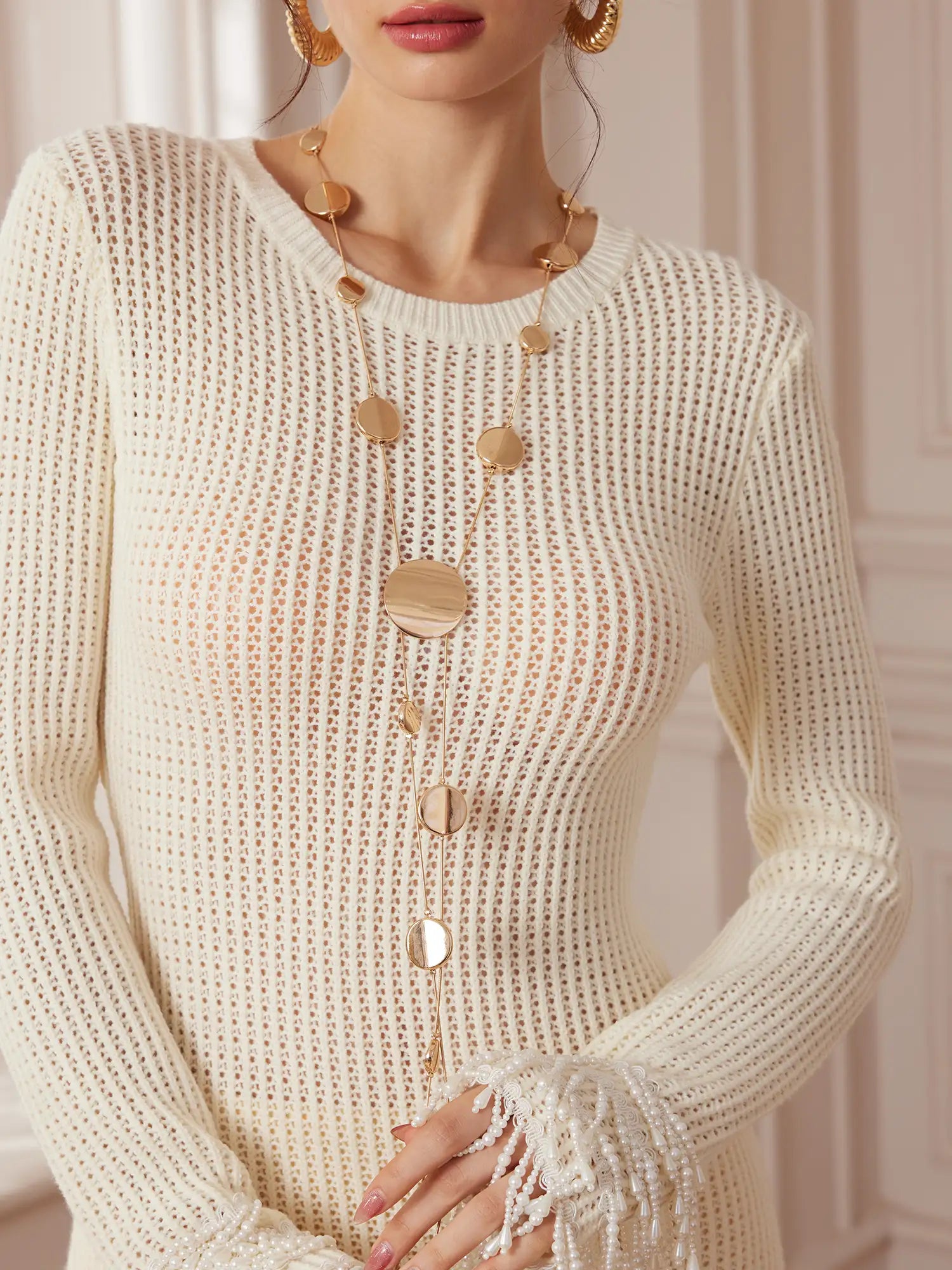
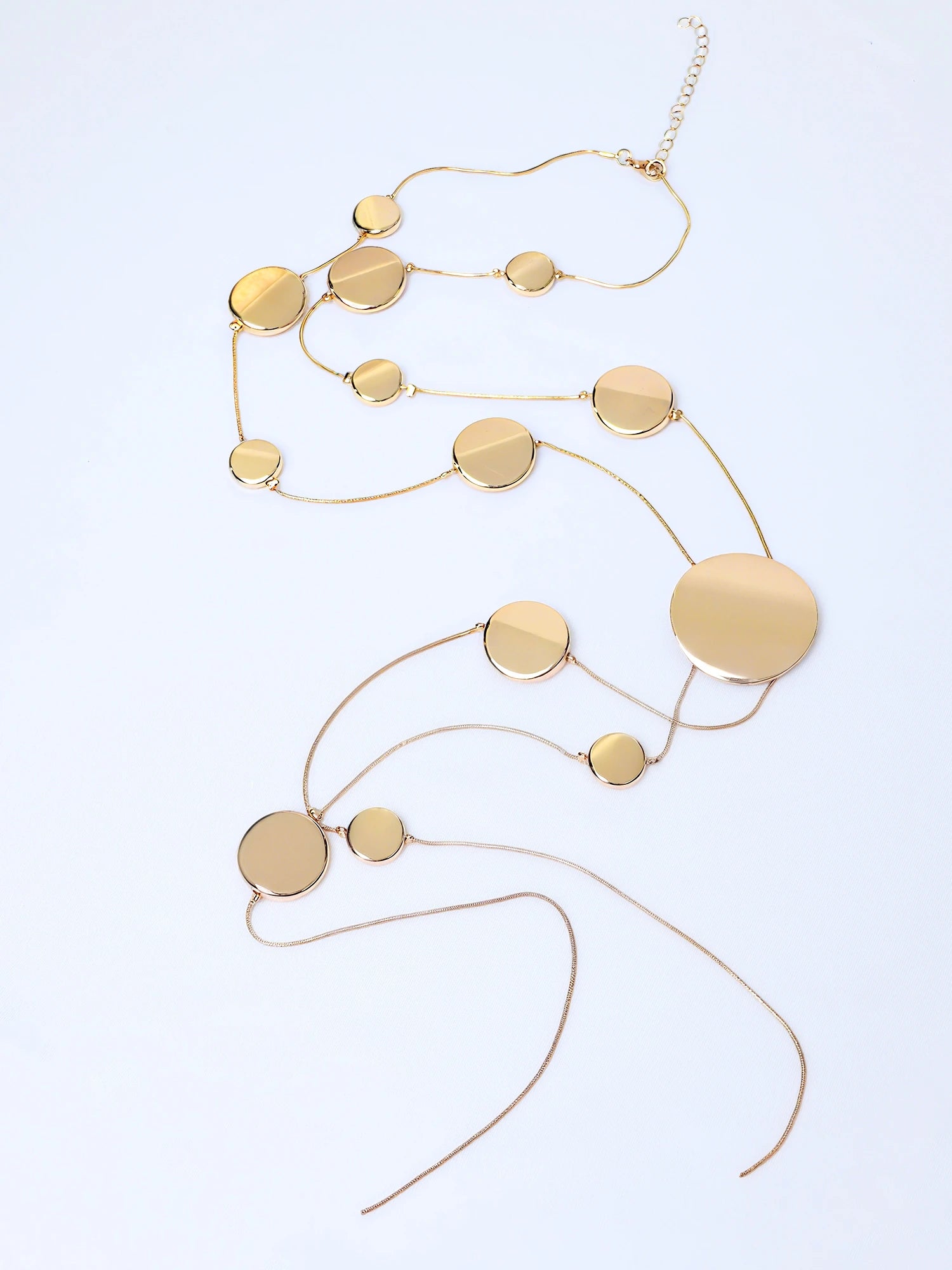
10%: Accent with metallics or a small bright item
Why it work: Neutrals set a sleek, calming stage; warm tones add personality without overwhelming; metallics bring sparkle and focal points.
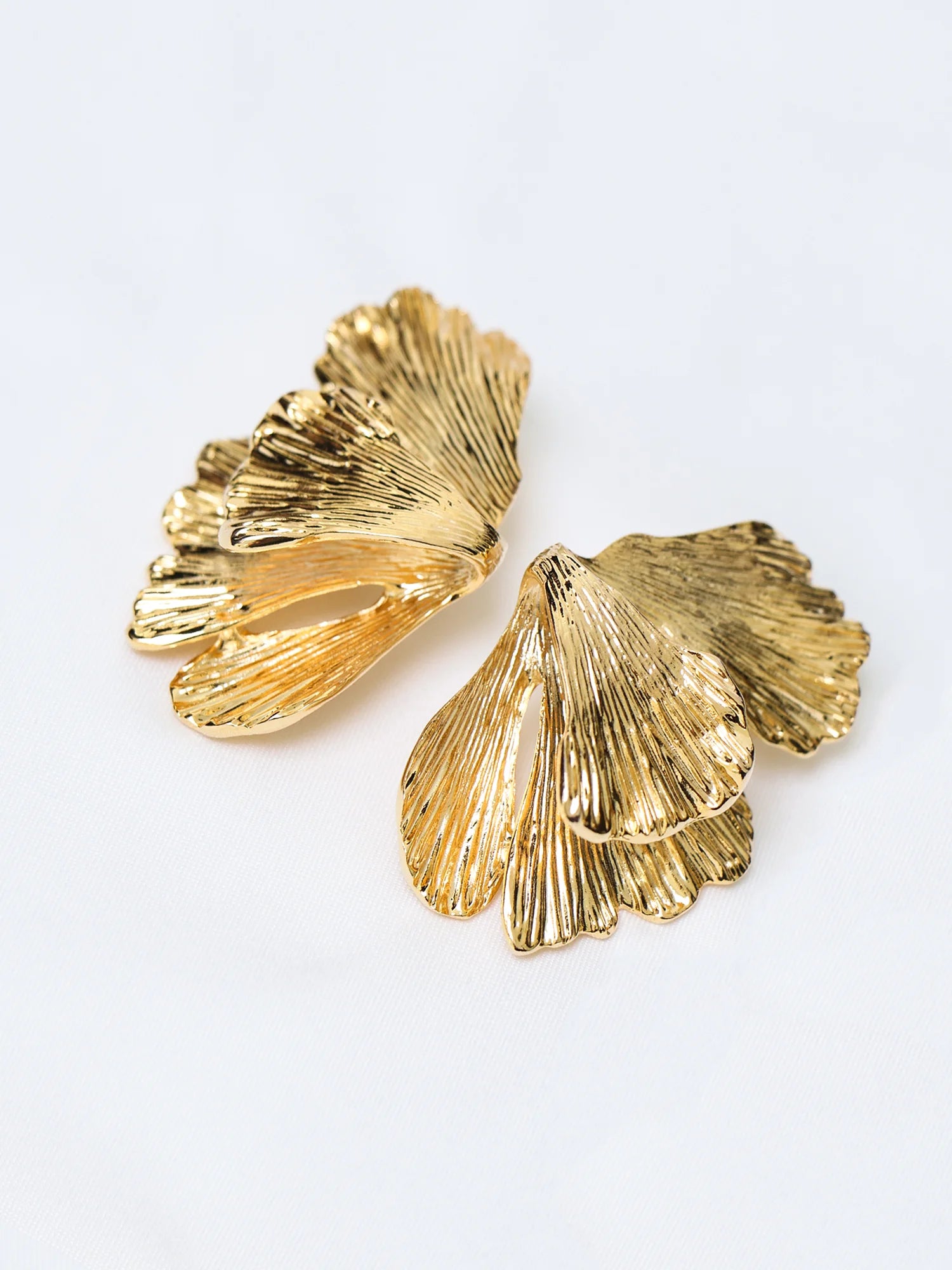
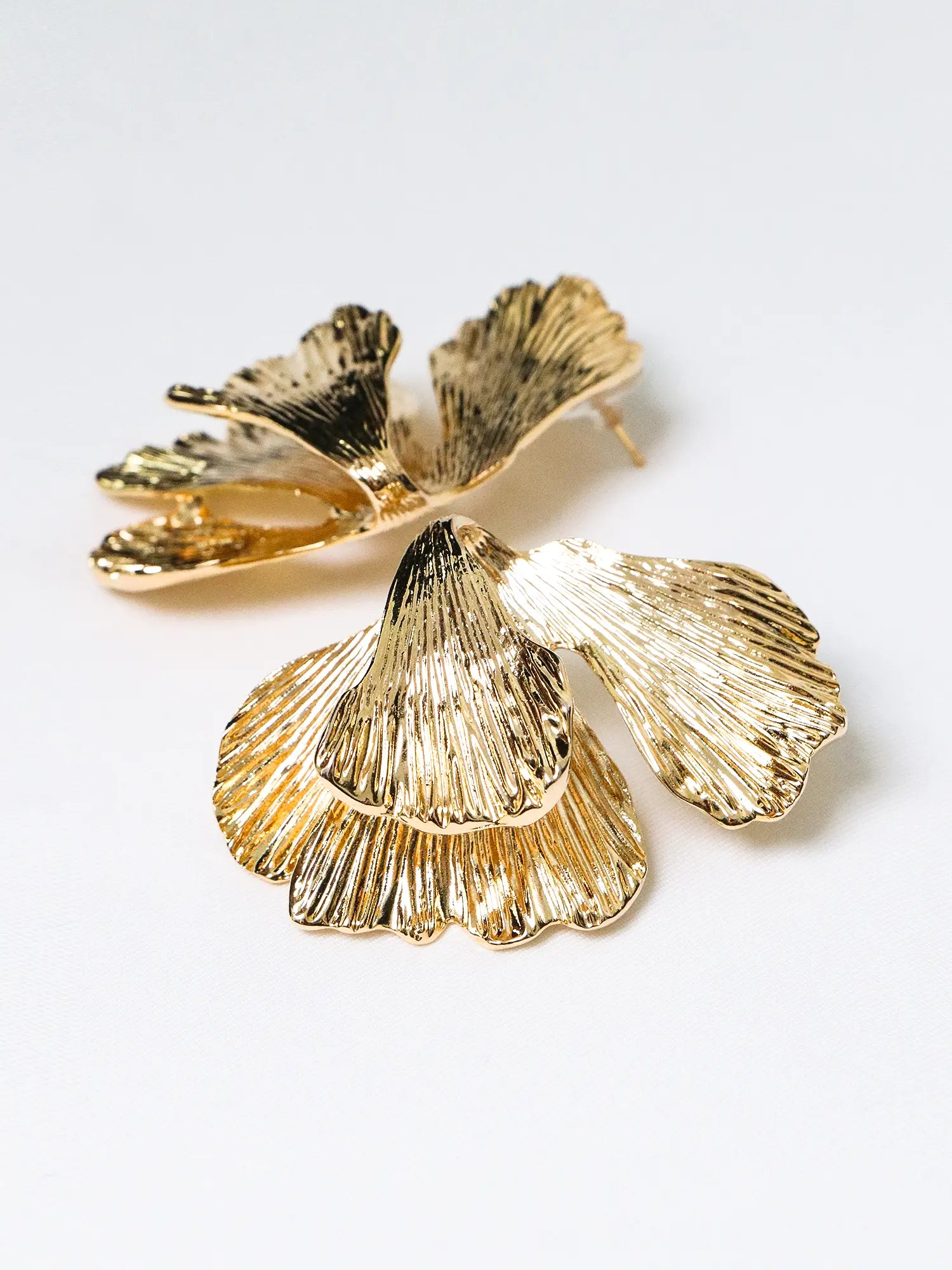
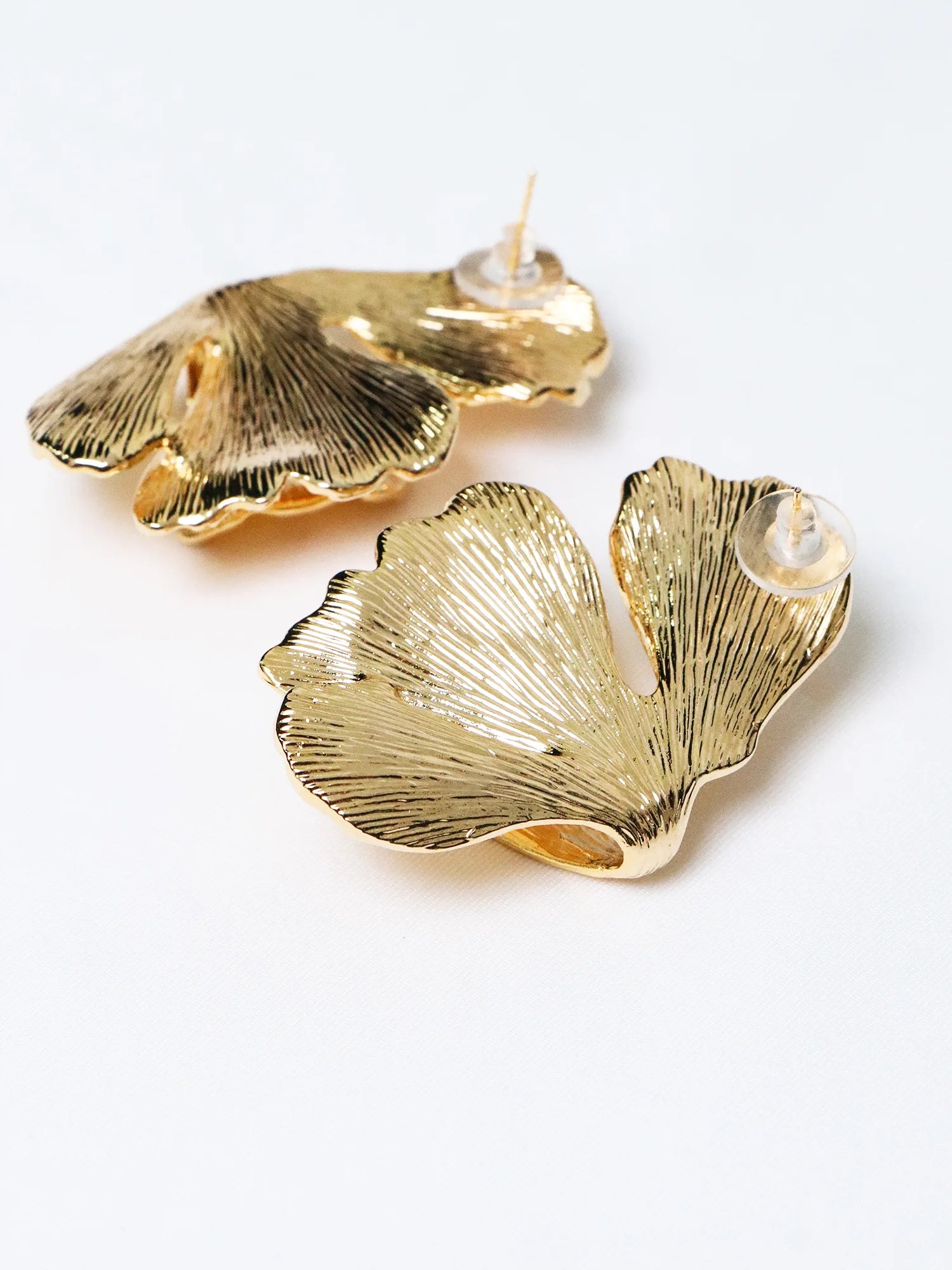
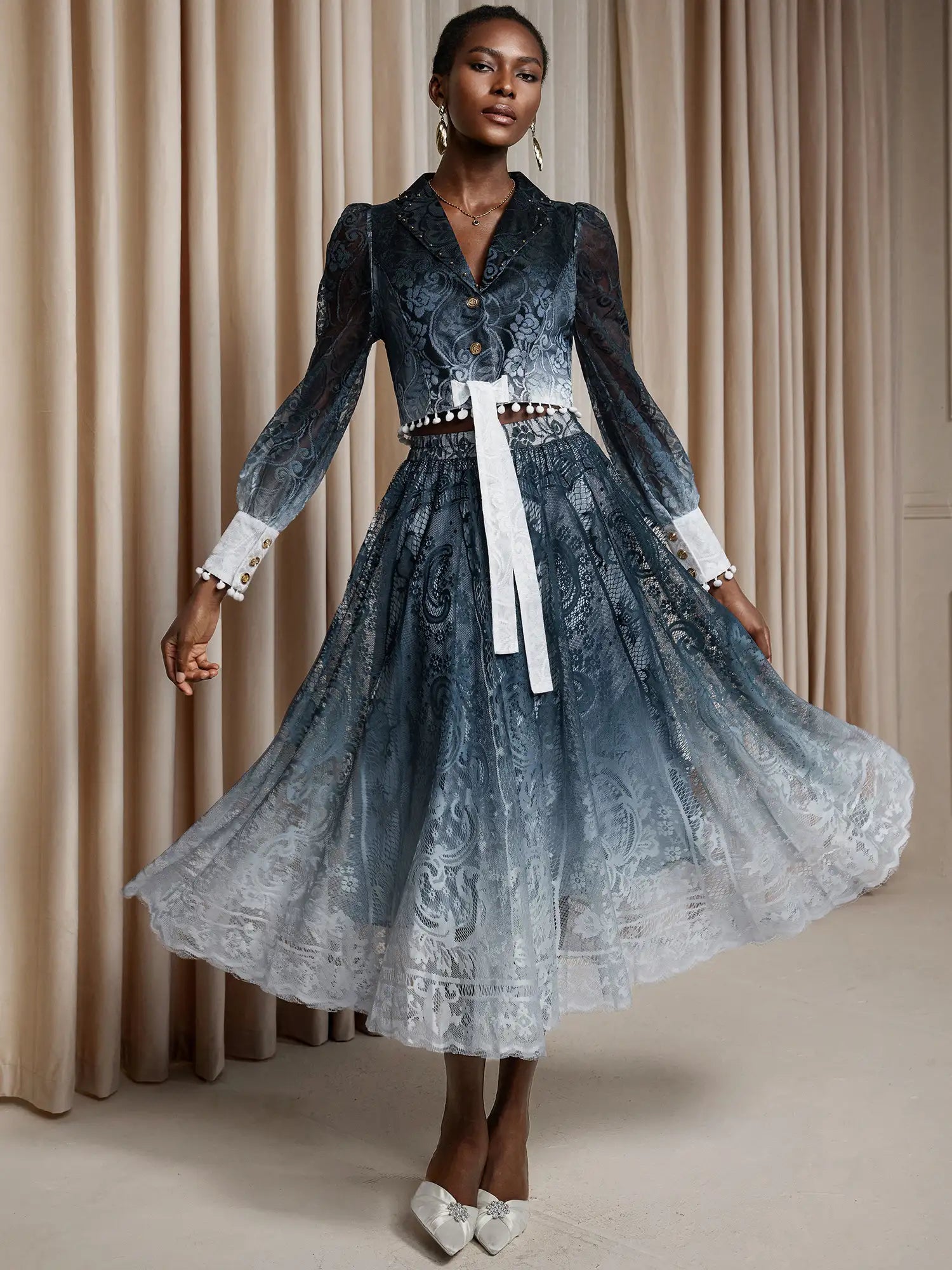
Tip: Try a gray maxi dress (60%) + apricot cardigan or scarf (30%) + gold earrings or a metallic belt (10%).


2.Bold Color + Subtle Shade + Neutral Anchor
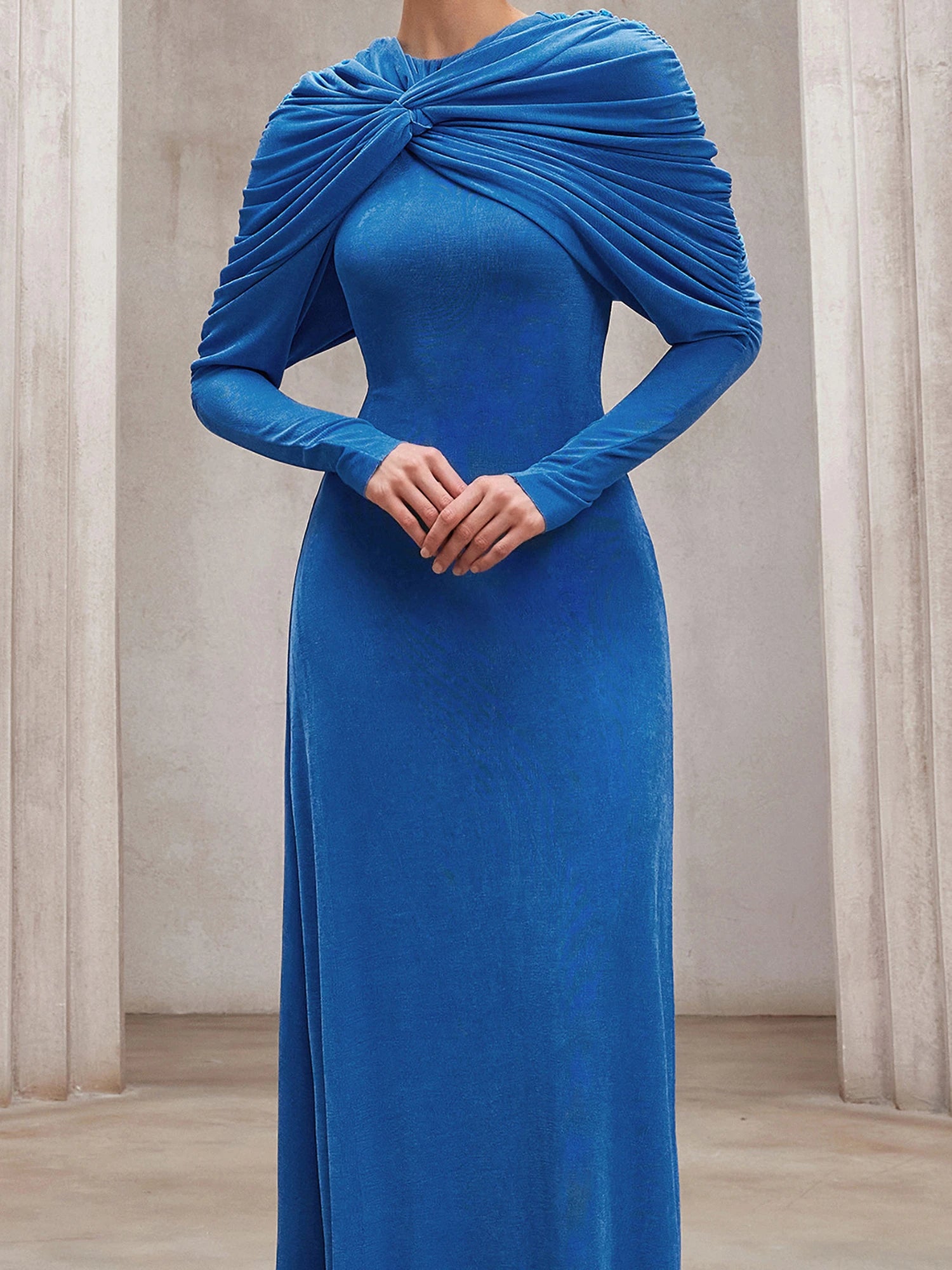
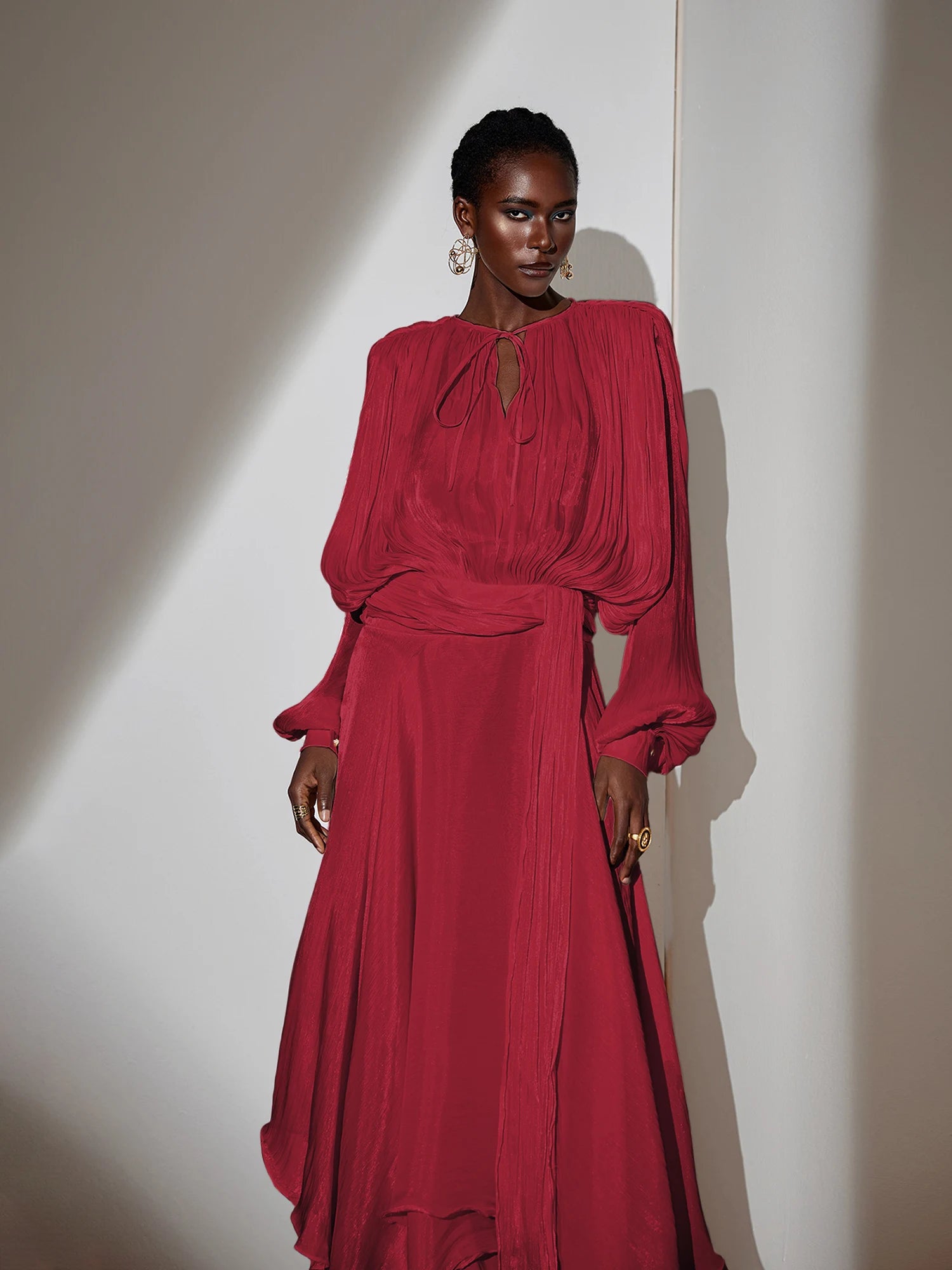
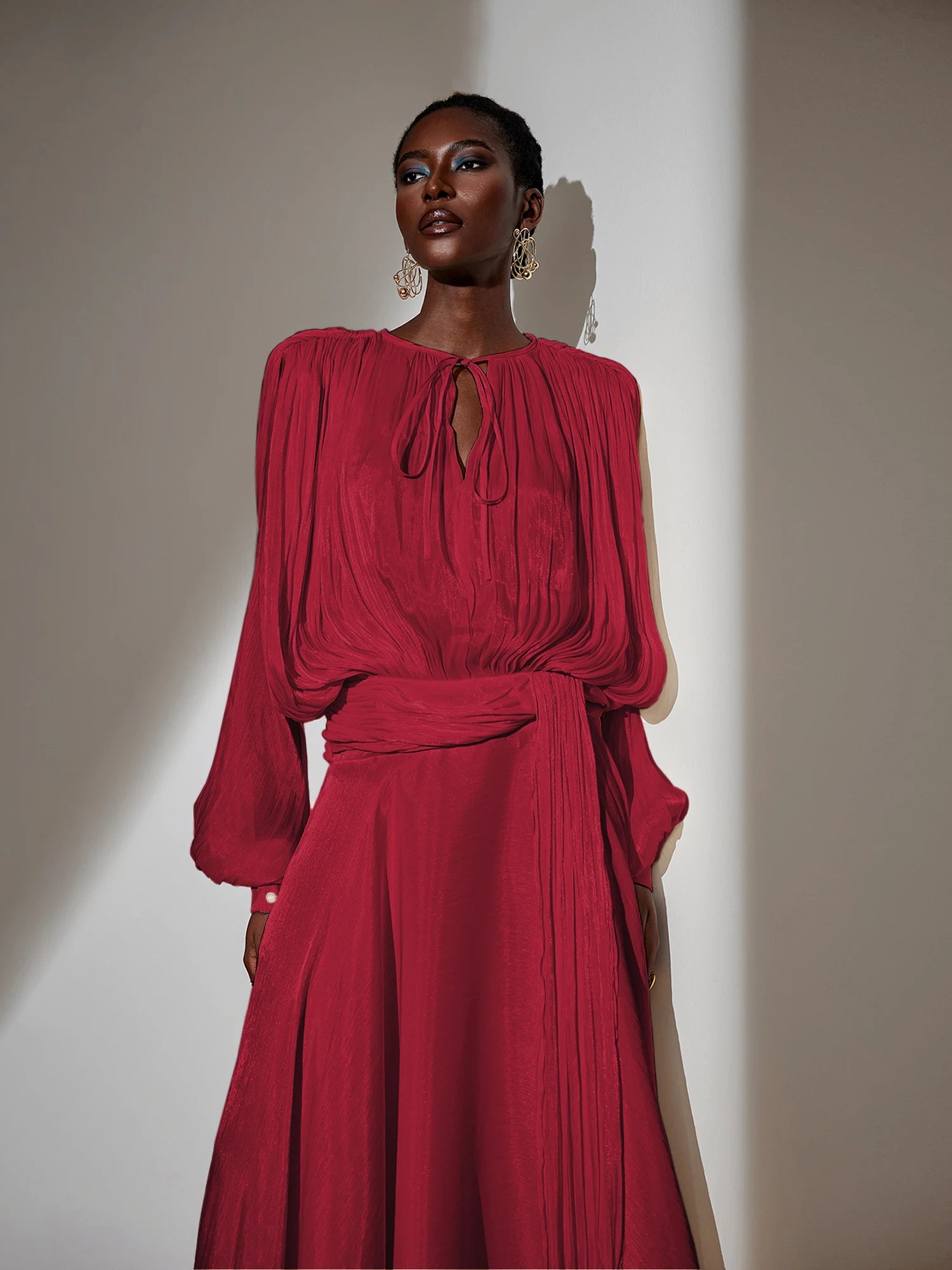
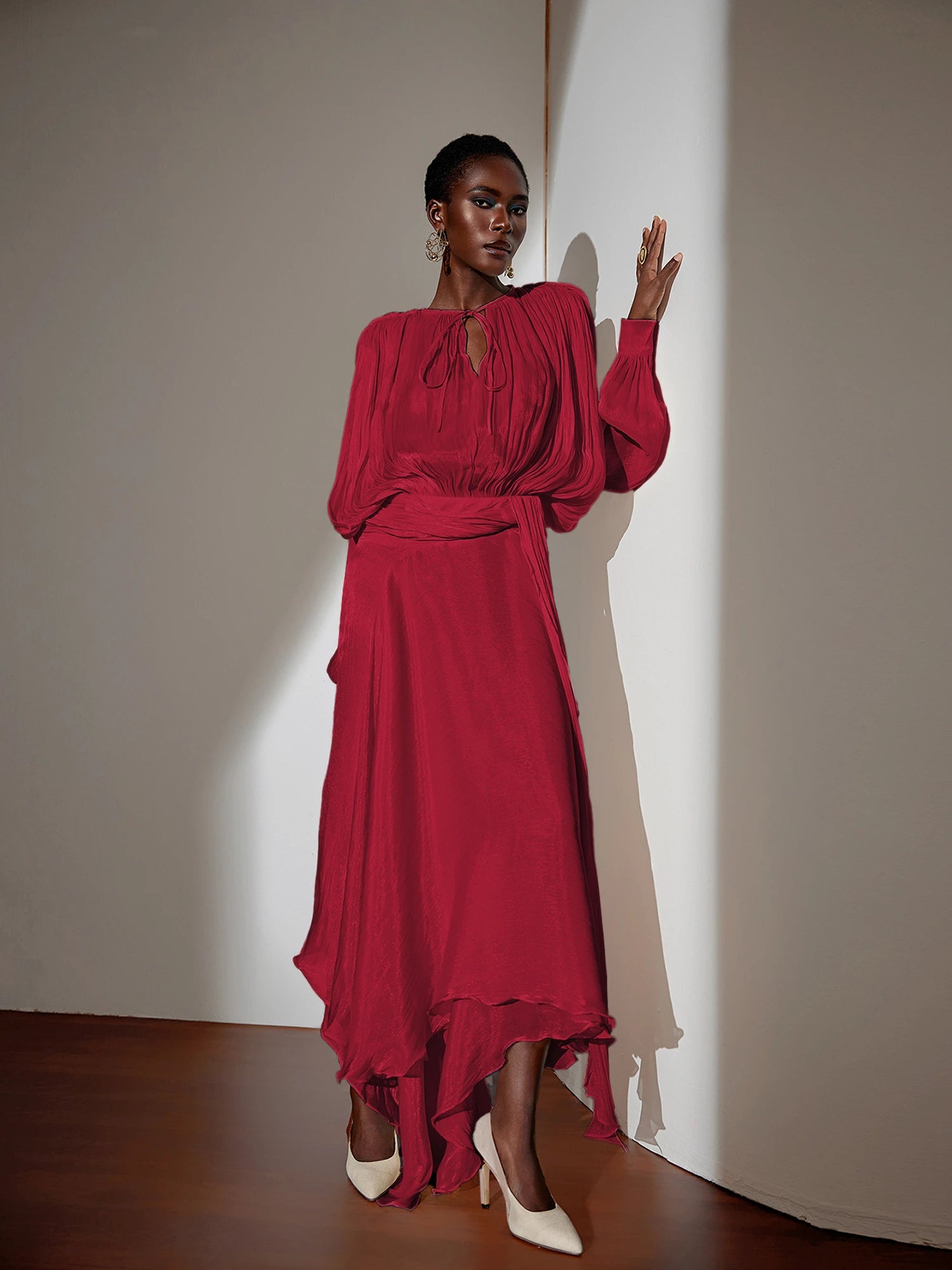
60%: Bold color piece—like deep navy or rich red
30%: Secondary shade that’s similar or softer—e.g. faded red, dusty navy
10%: Neutral anchor—black, white, or gray
Why it work: Strong colors capture attention, softer shades soften the contrast, and neutrals ground the look.
Tip: A red top (60%) + muted coral skirt (30%) + white or black boots (10%) = vibrant but balanced.
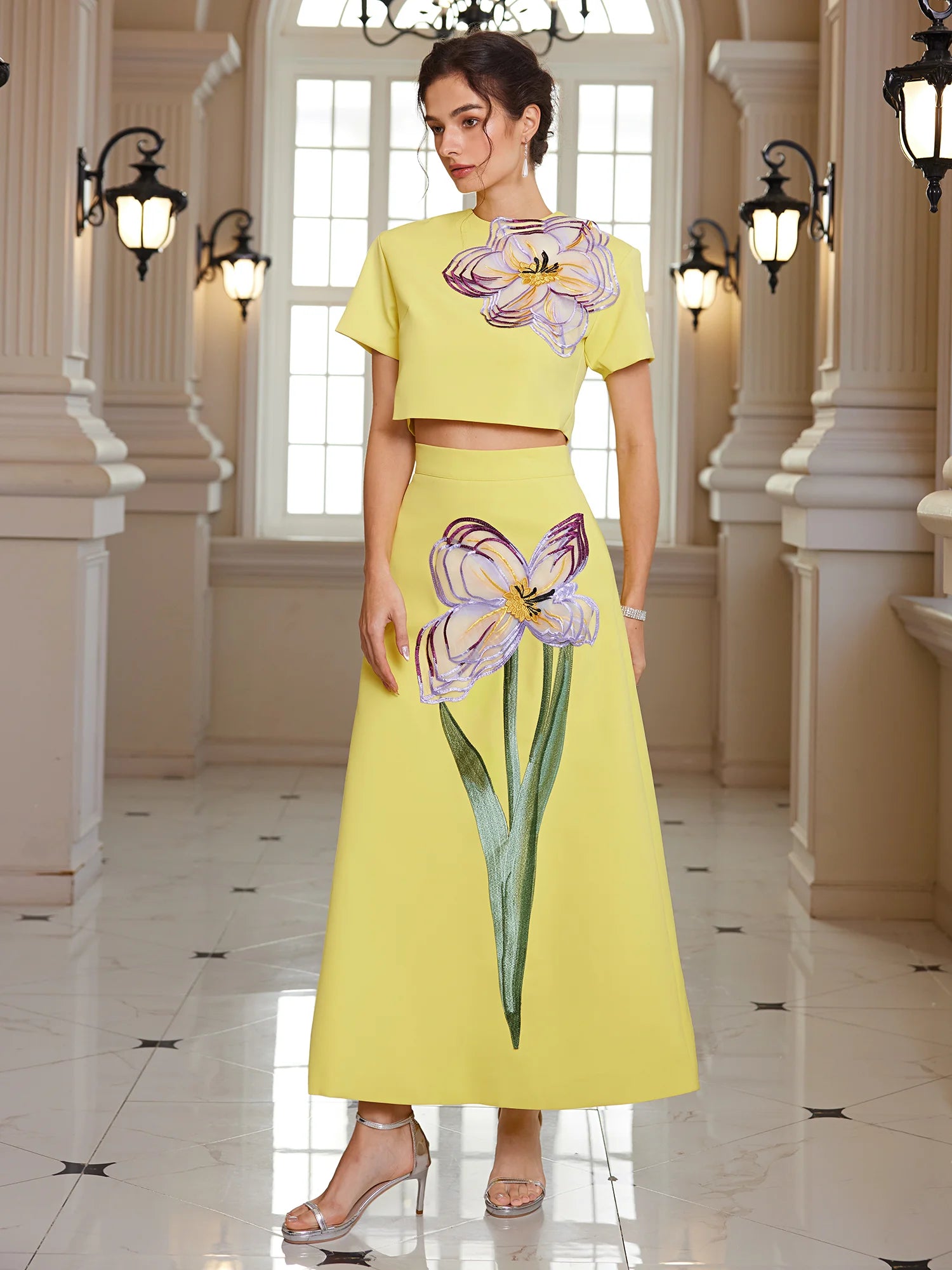


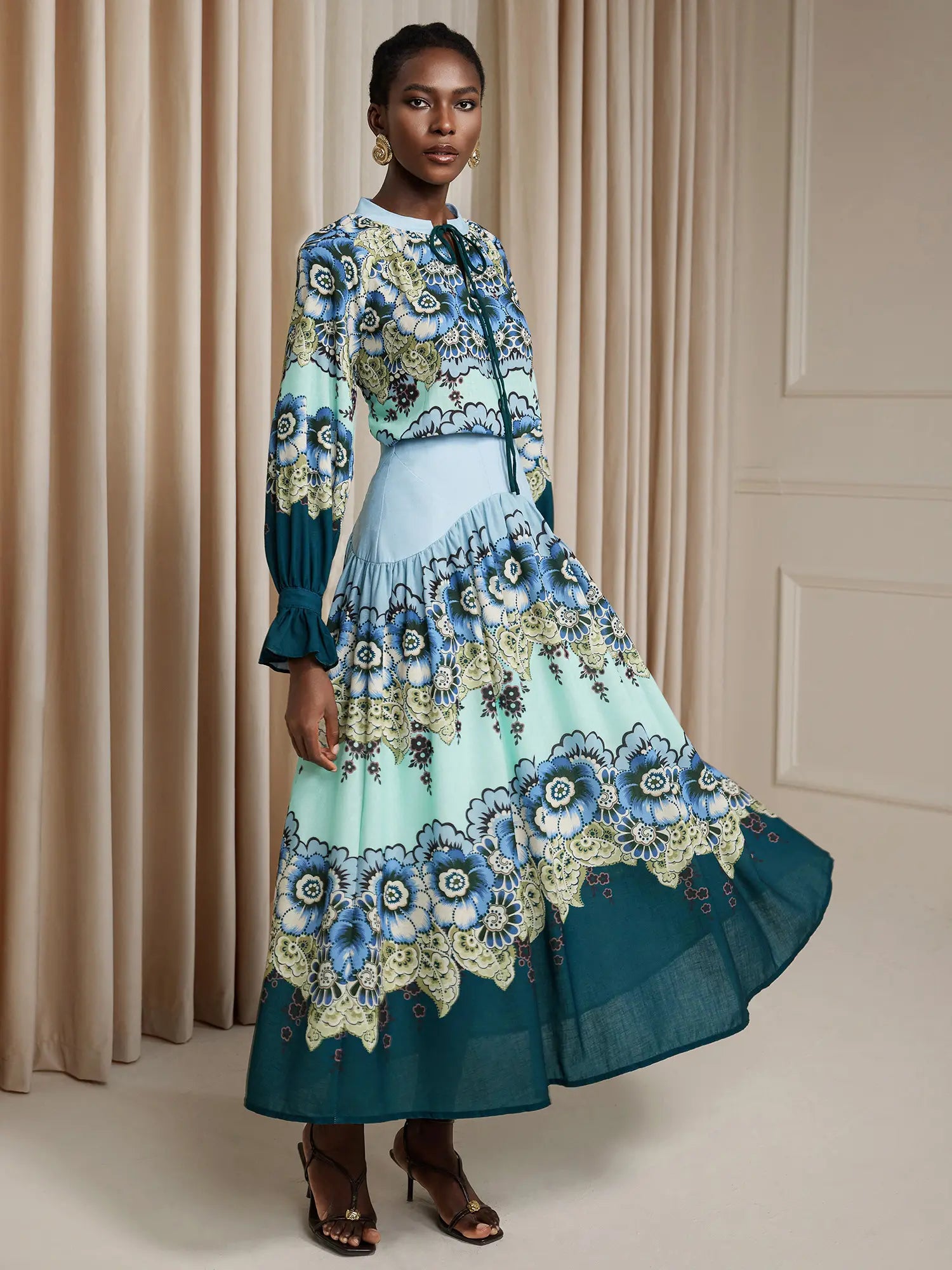
3.Pattern Play + Supporting Hue + Contrast Accent
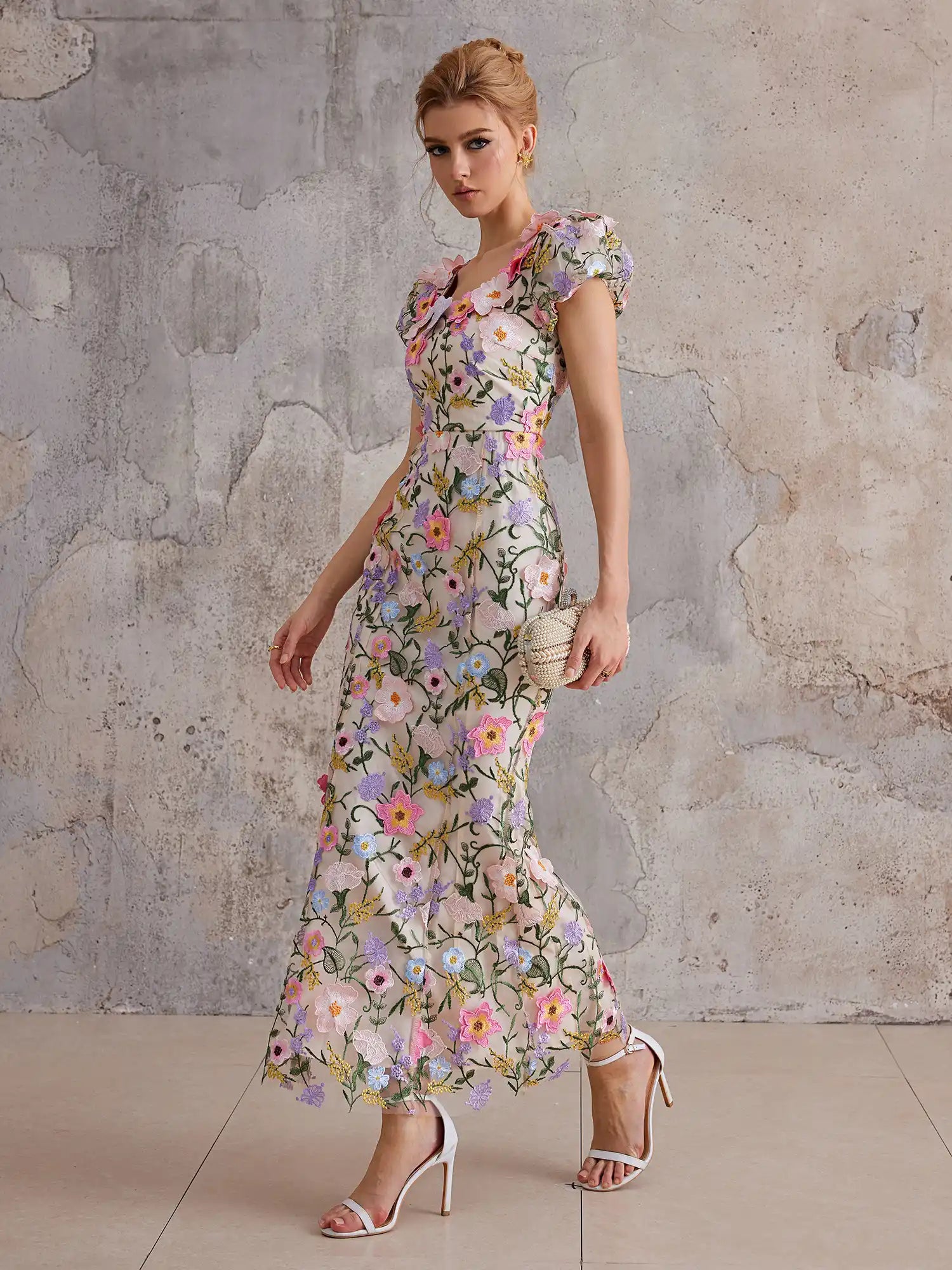
60%: Patterned item (floral, stripes, or print) that features multiple colors
30%: Supporting hue from the pattern (one of the colors in the print)
10%: Contrast accent outside the pattern (could be a bag, shoes, belt)
Why it work: Prints already carry color complexity; choosing one color from the pattern as the secondary avoids visual overload, and the accent draws the eye.
Tip: Wear a multicolor floral Noosgop dress (60%), pull out a secondary color from that pattern for a cardigan or scarf (30%), and finish with a contrasting shoe or clutch (10%).
✨ Which 60‑30‑10 combo will you try in your next outfit?
Start with your dominant color choice—then let the secondary hue and a little accent do the rest. Balance feels built‑in when you use this trick.