Hey babe!
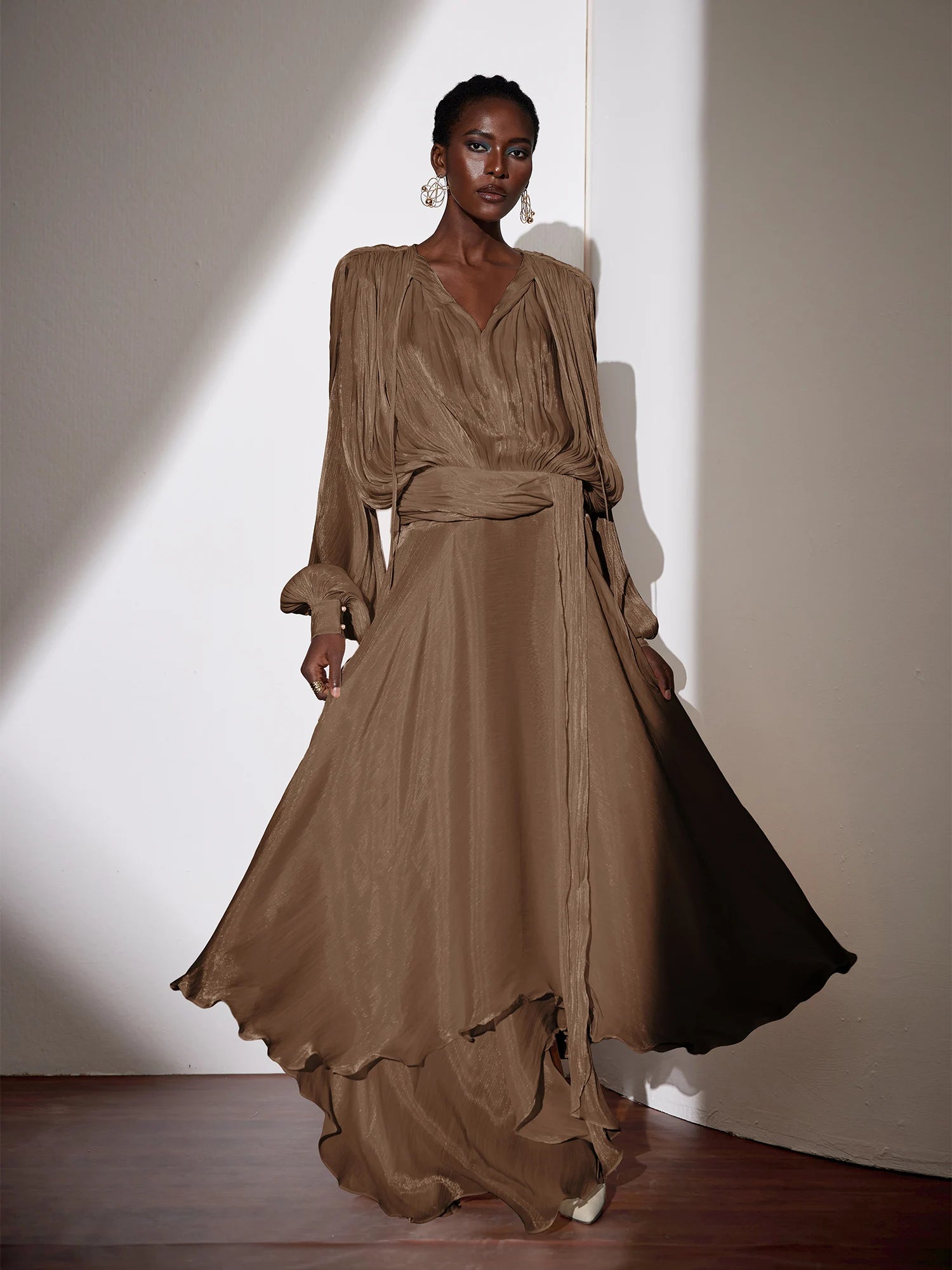
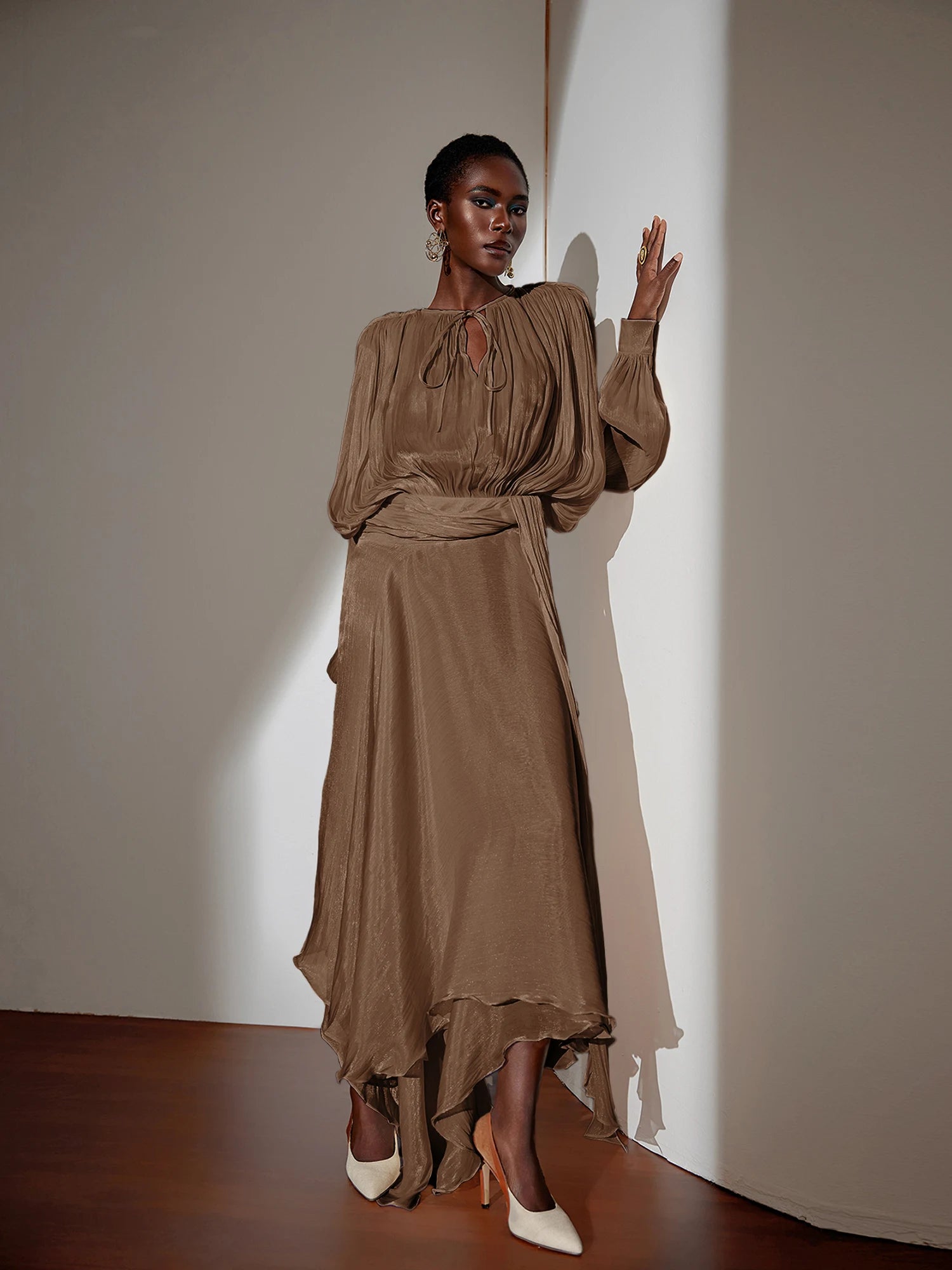
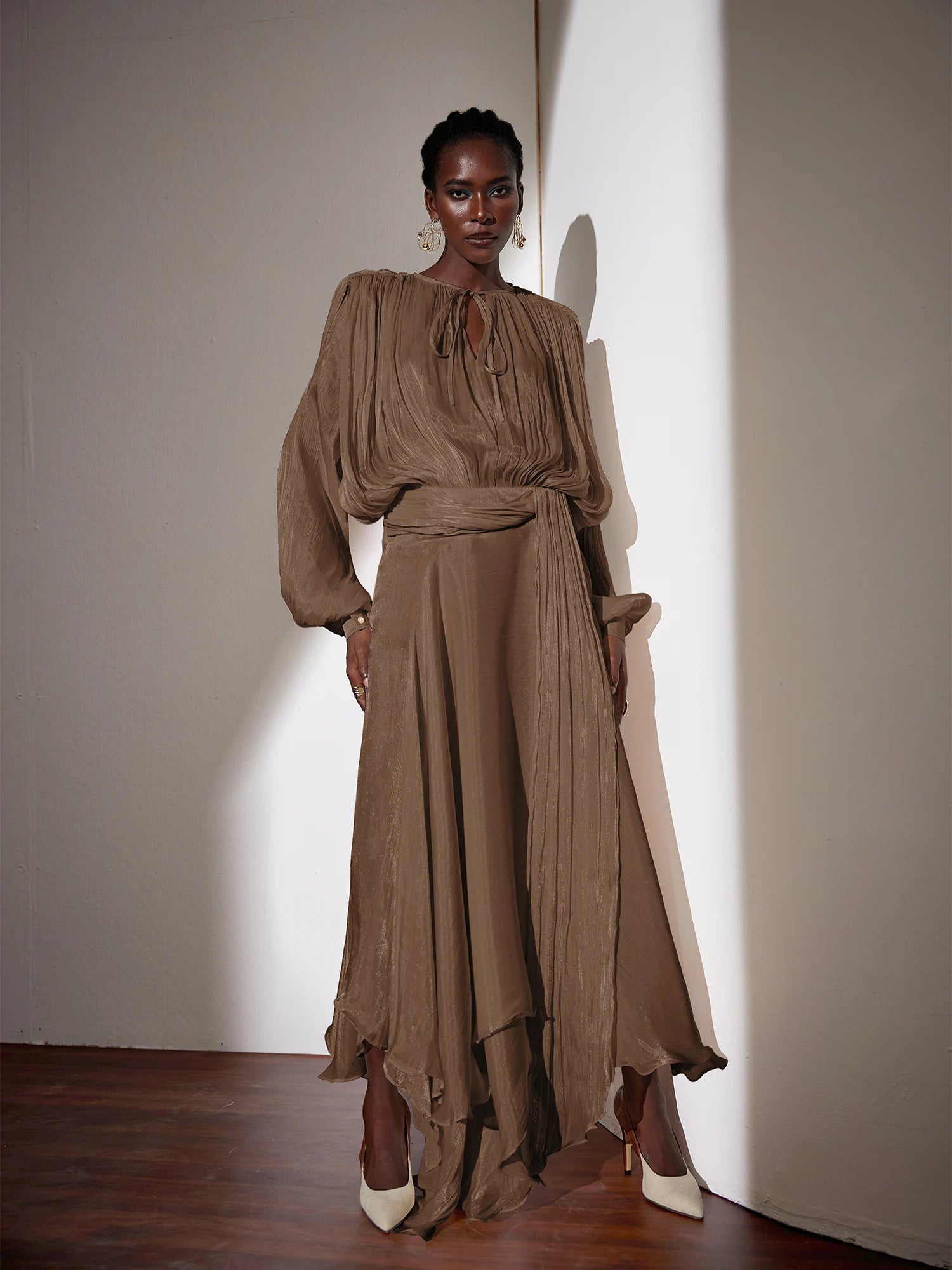
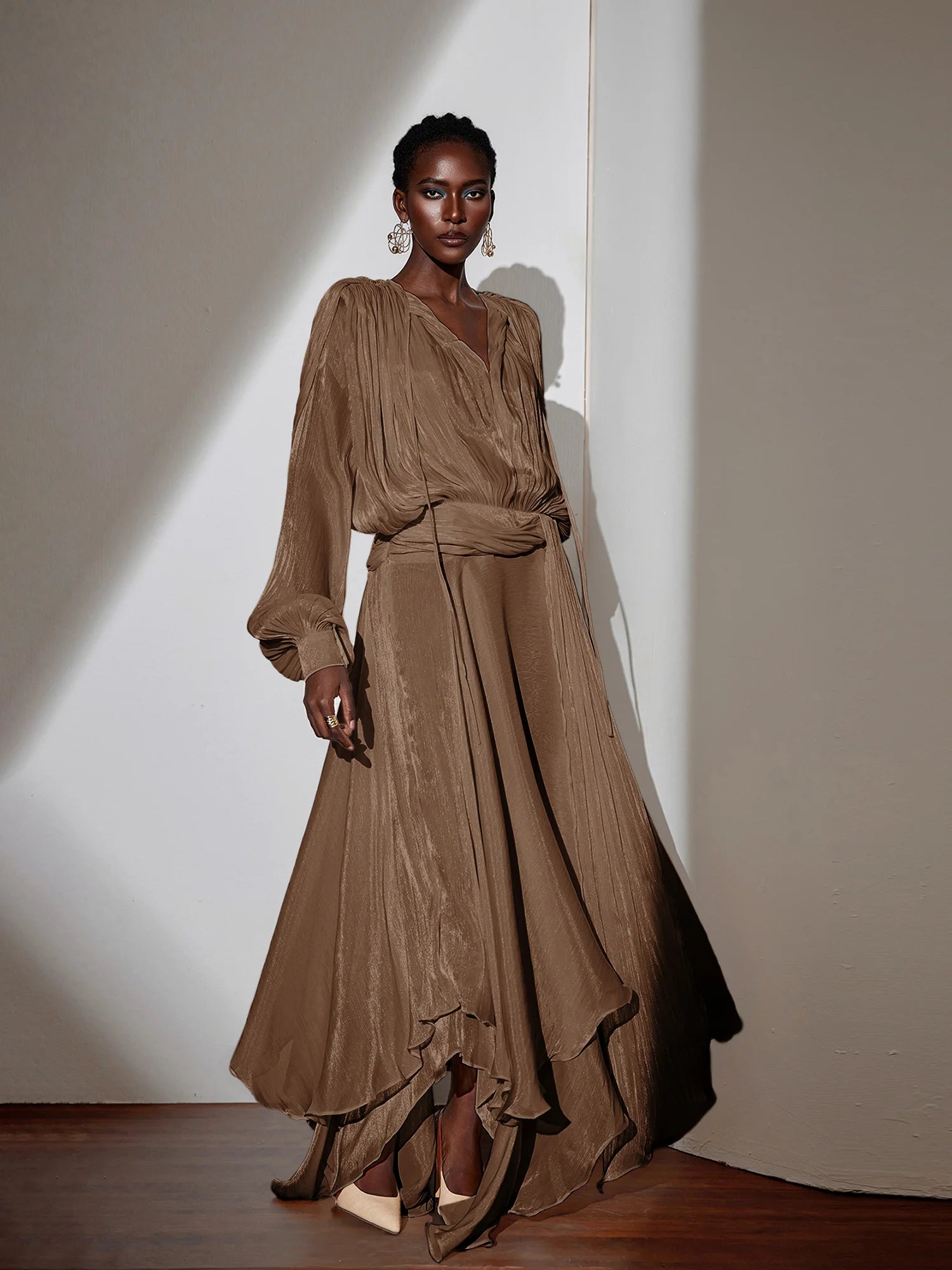
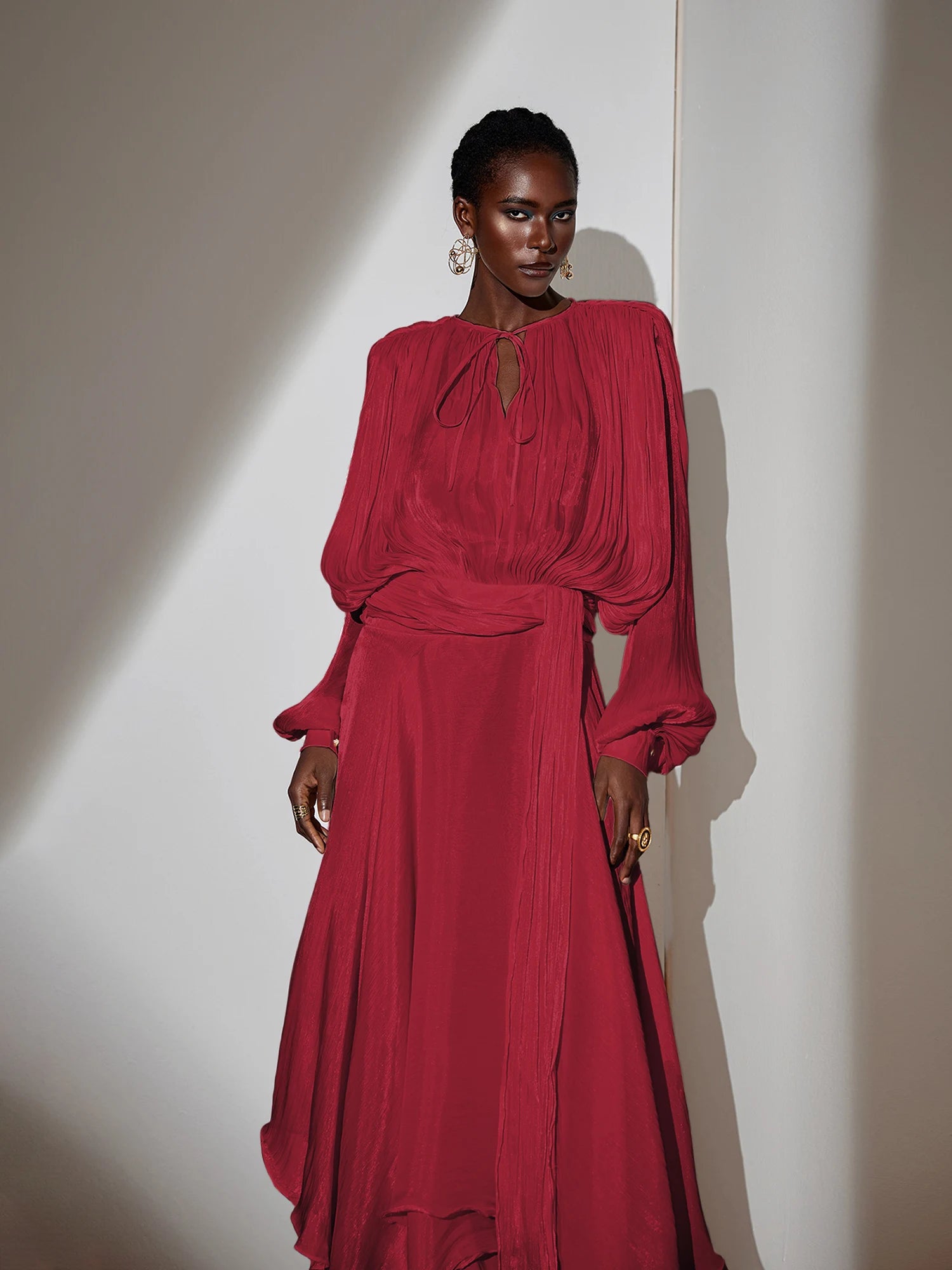
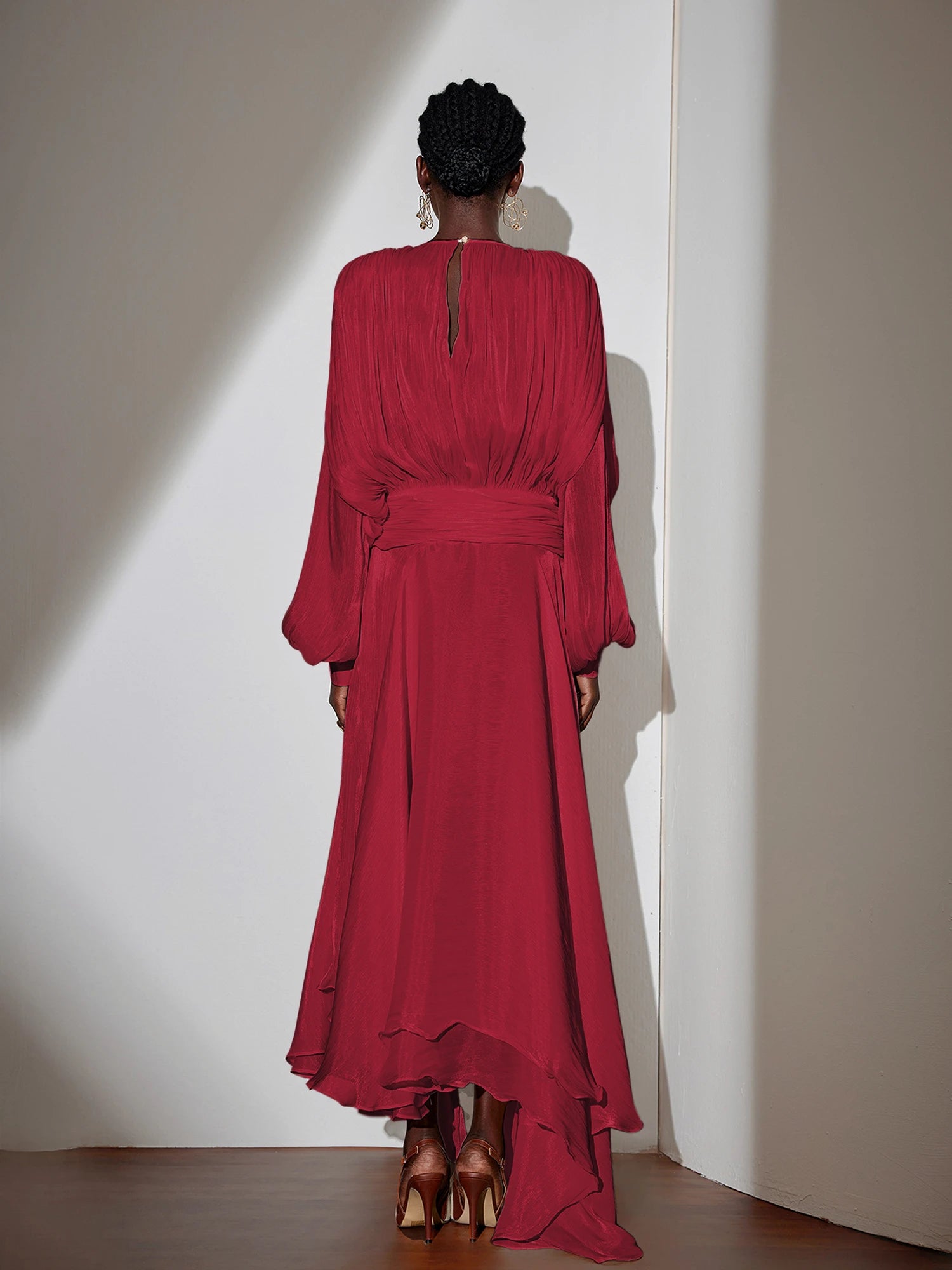
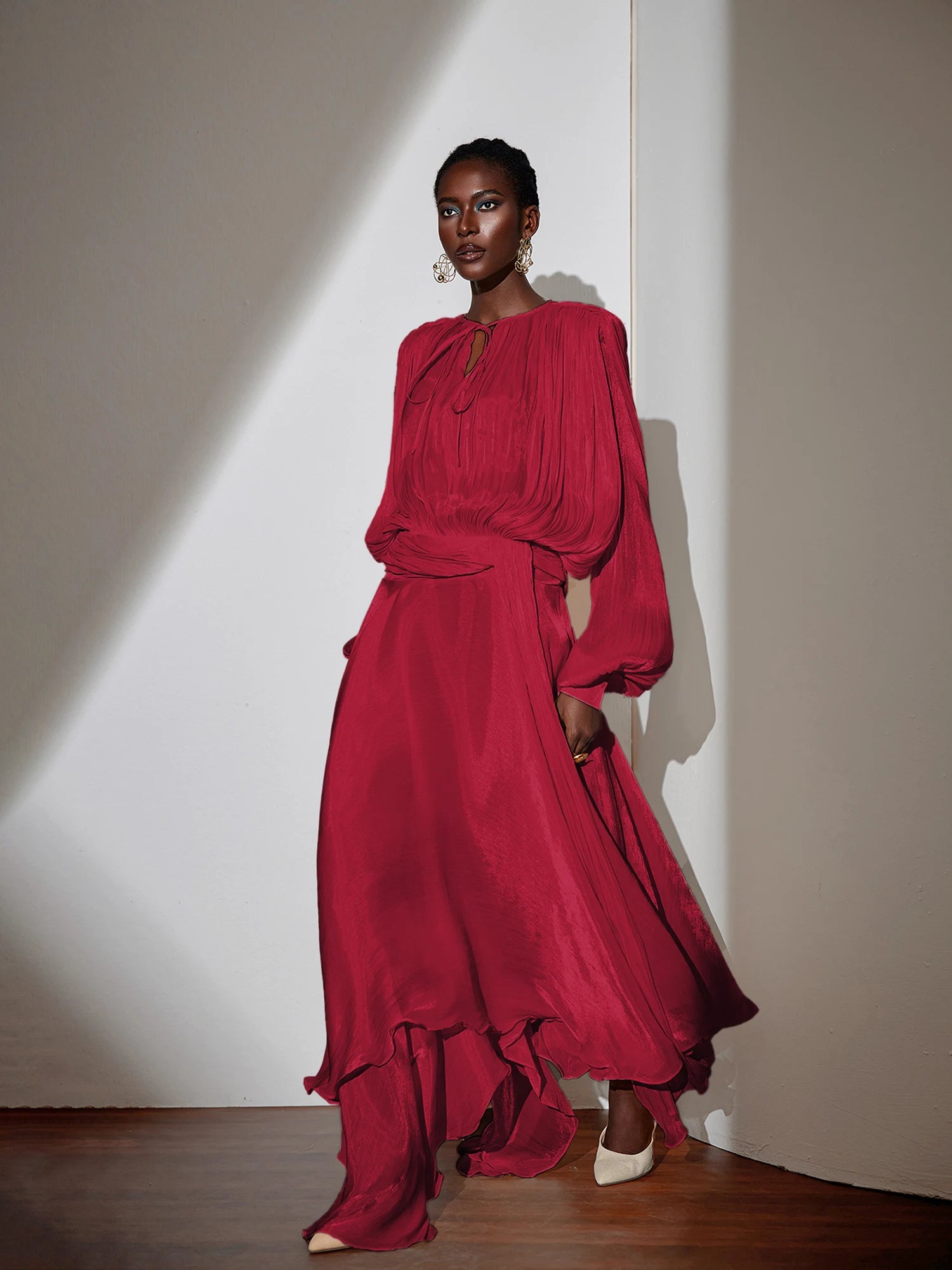
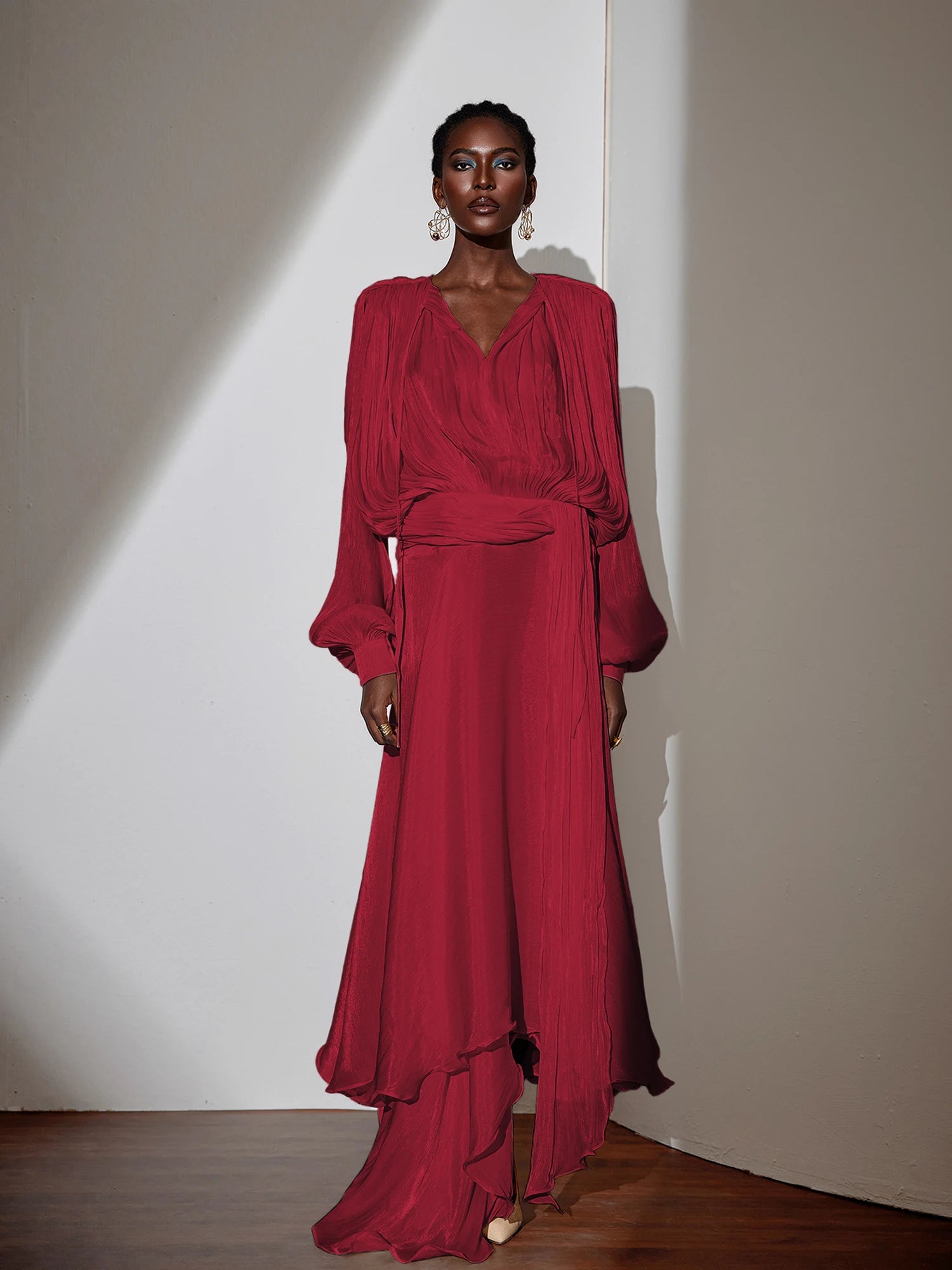
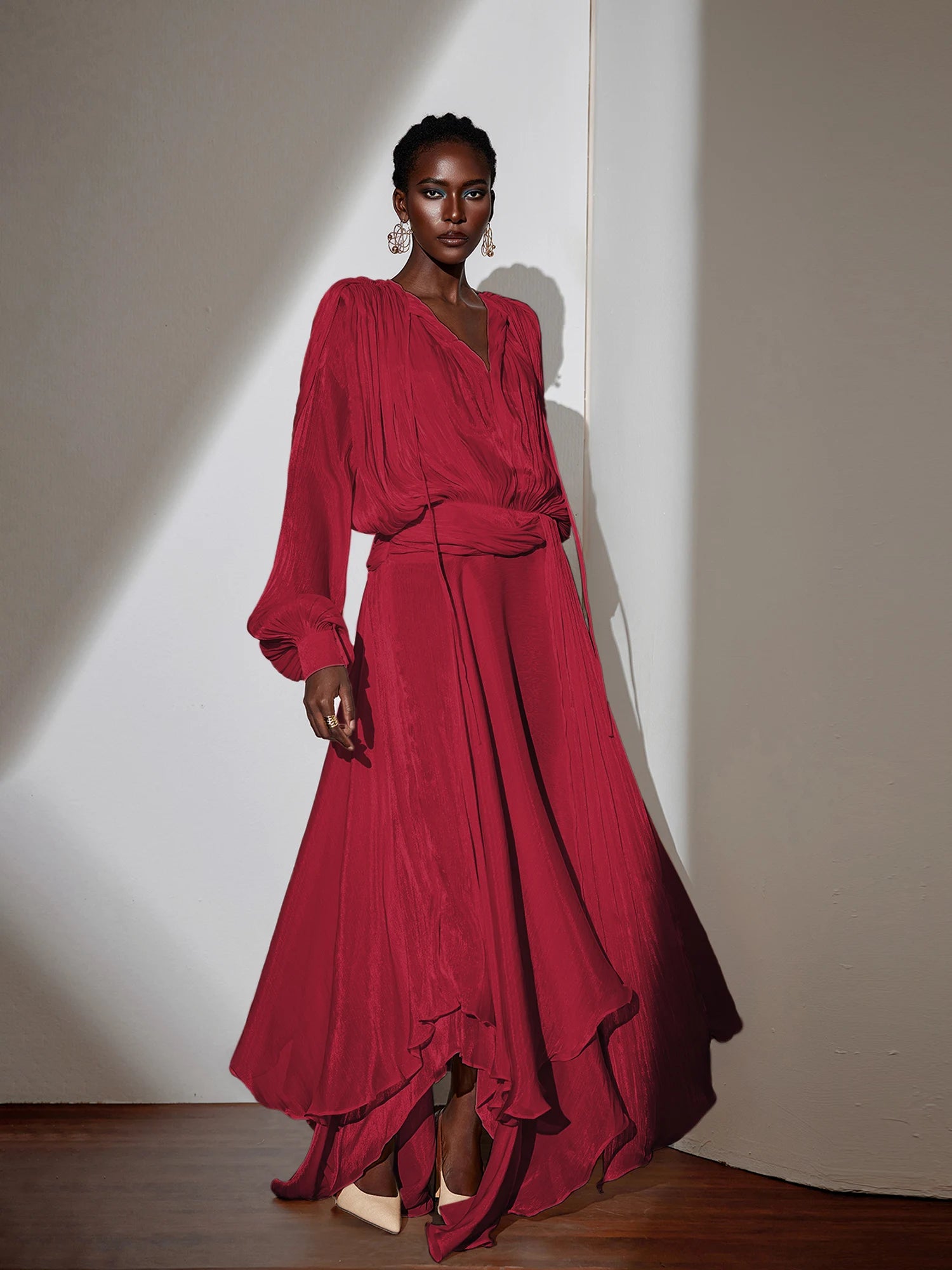
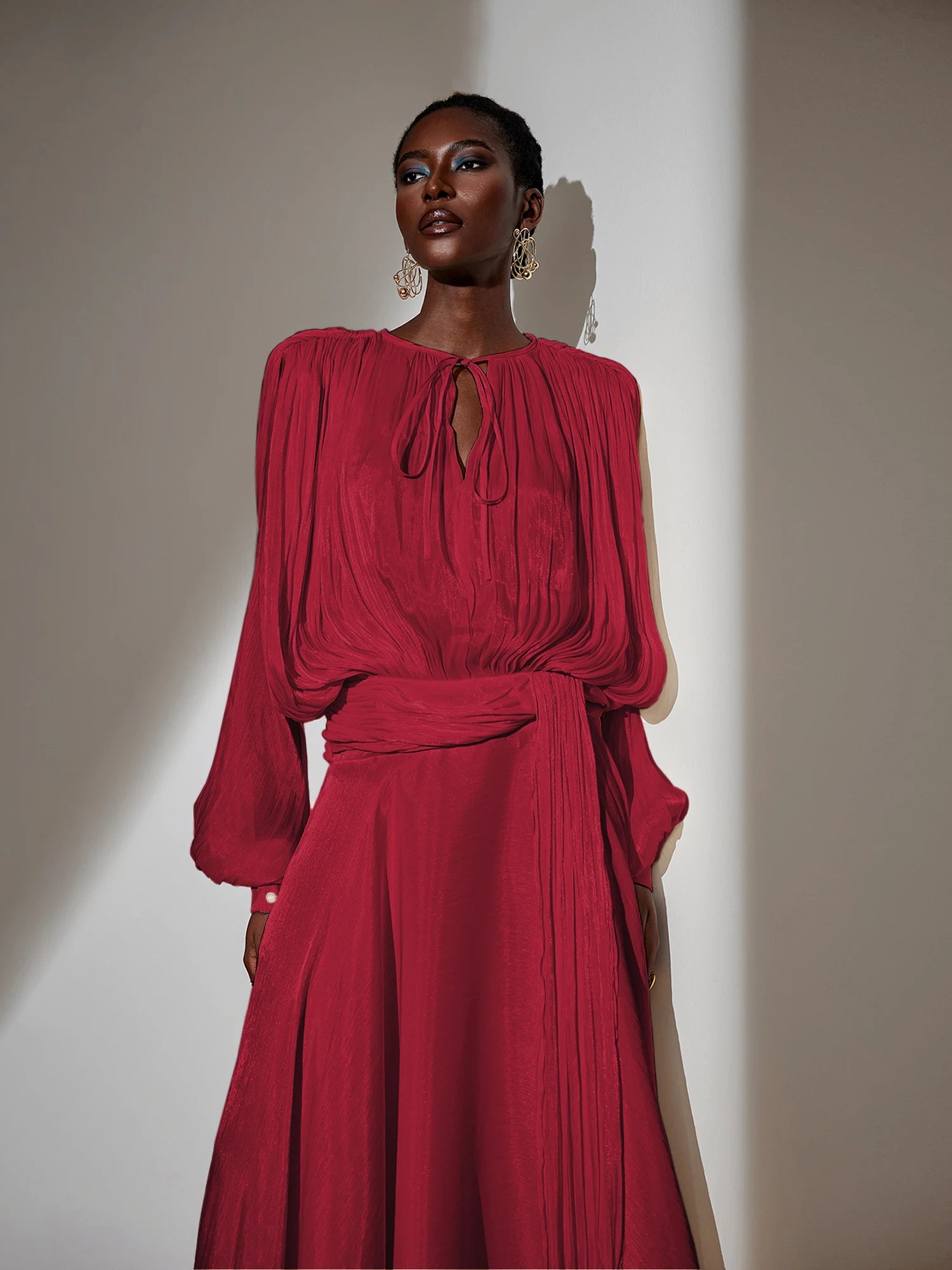
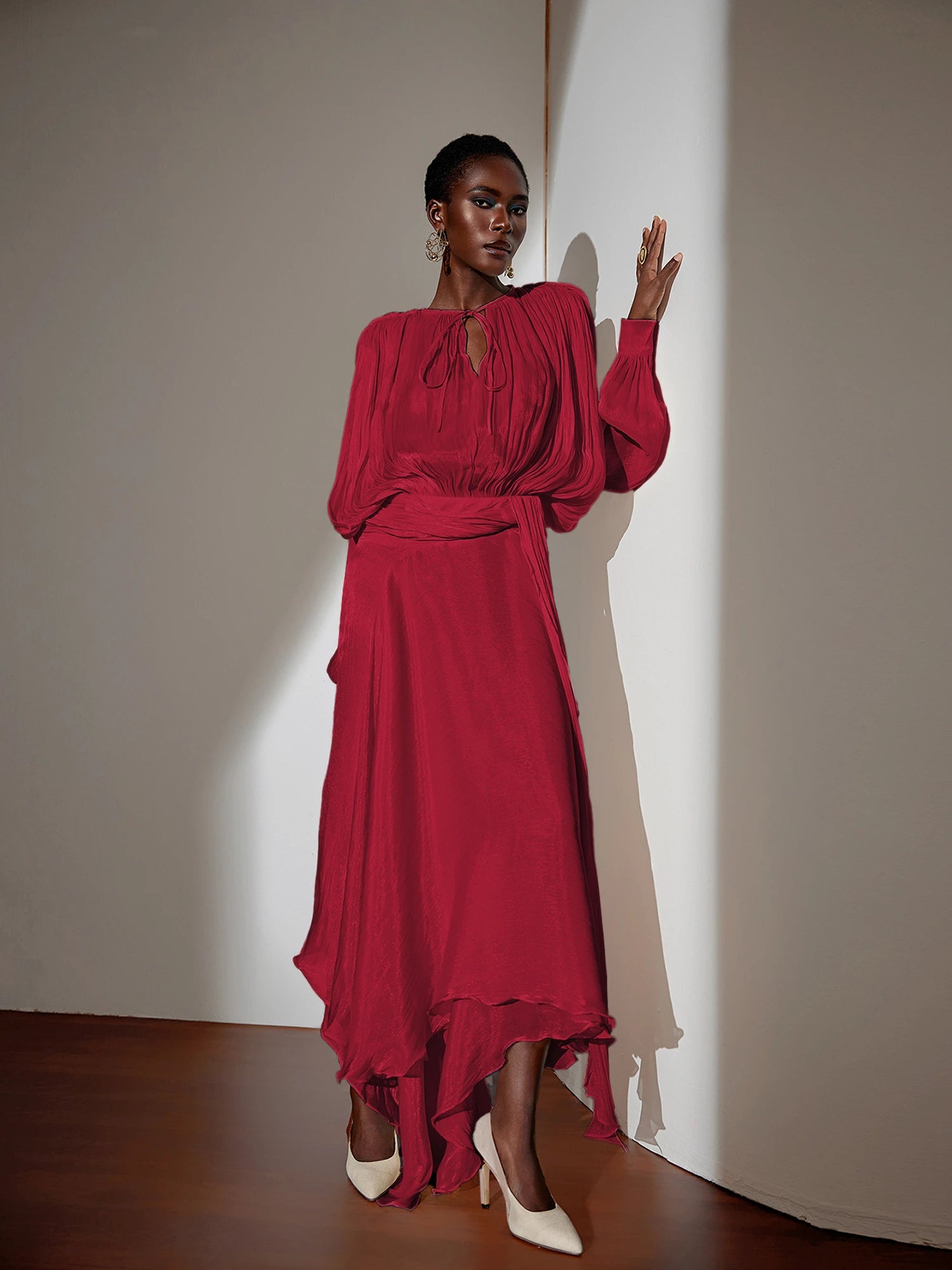
“Visual weight” or “visual center” in a look decides where eyes land first—and it affects how balanced, tall, or harmonious a silhouette appears. It’s not just about what you wear, but where and how you place design elements.
Let’s break down how to place your visual center with purpose, in a way that fits Noosgop’s refined palette and wearable chic.
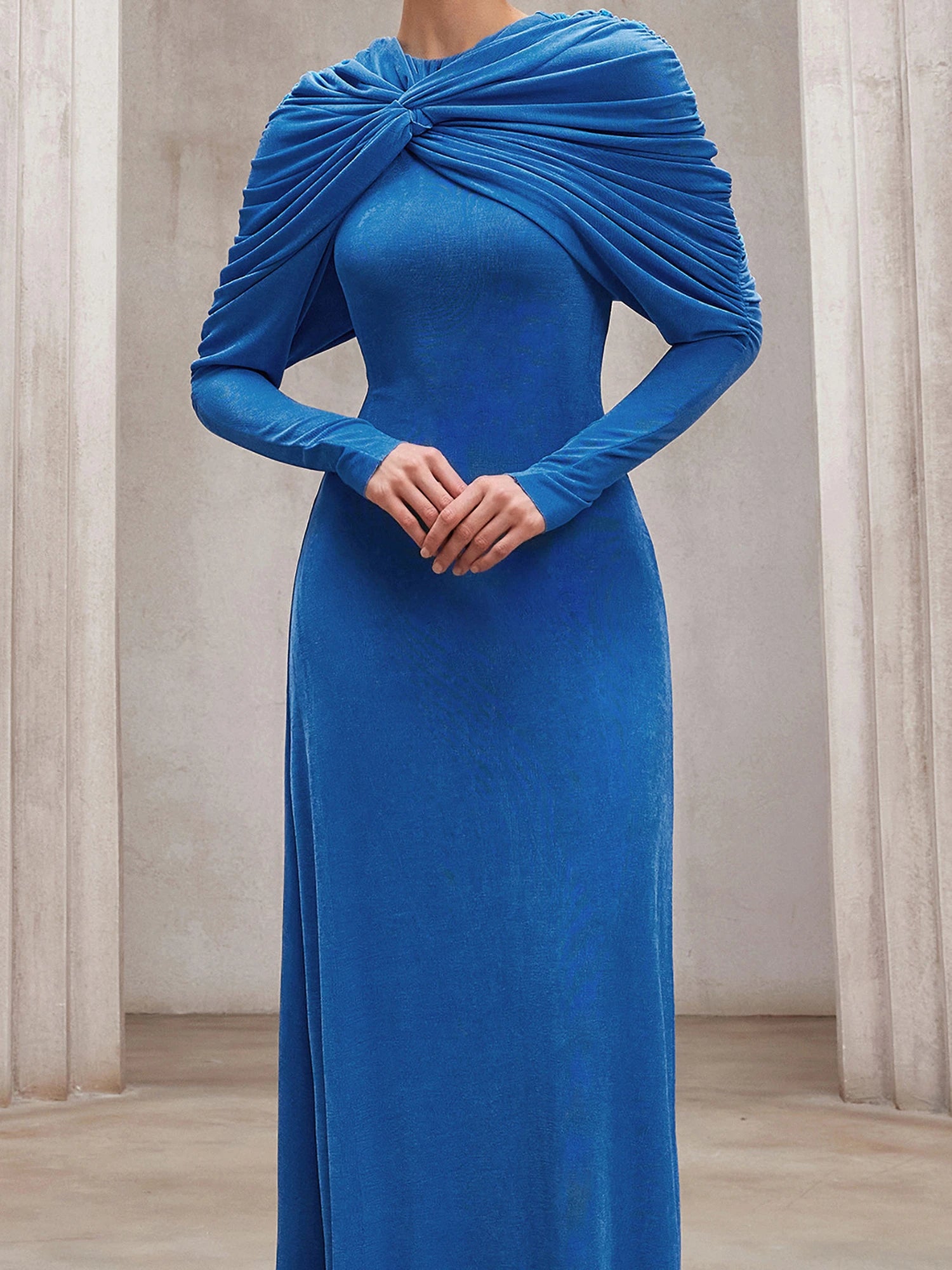
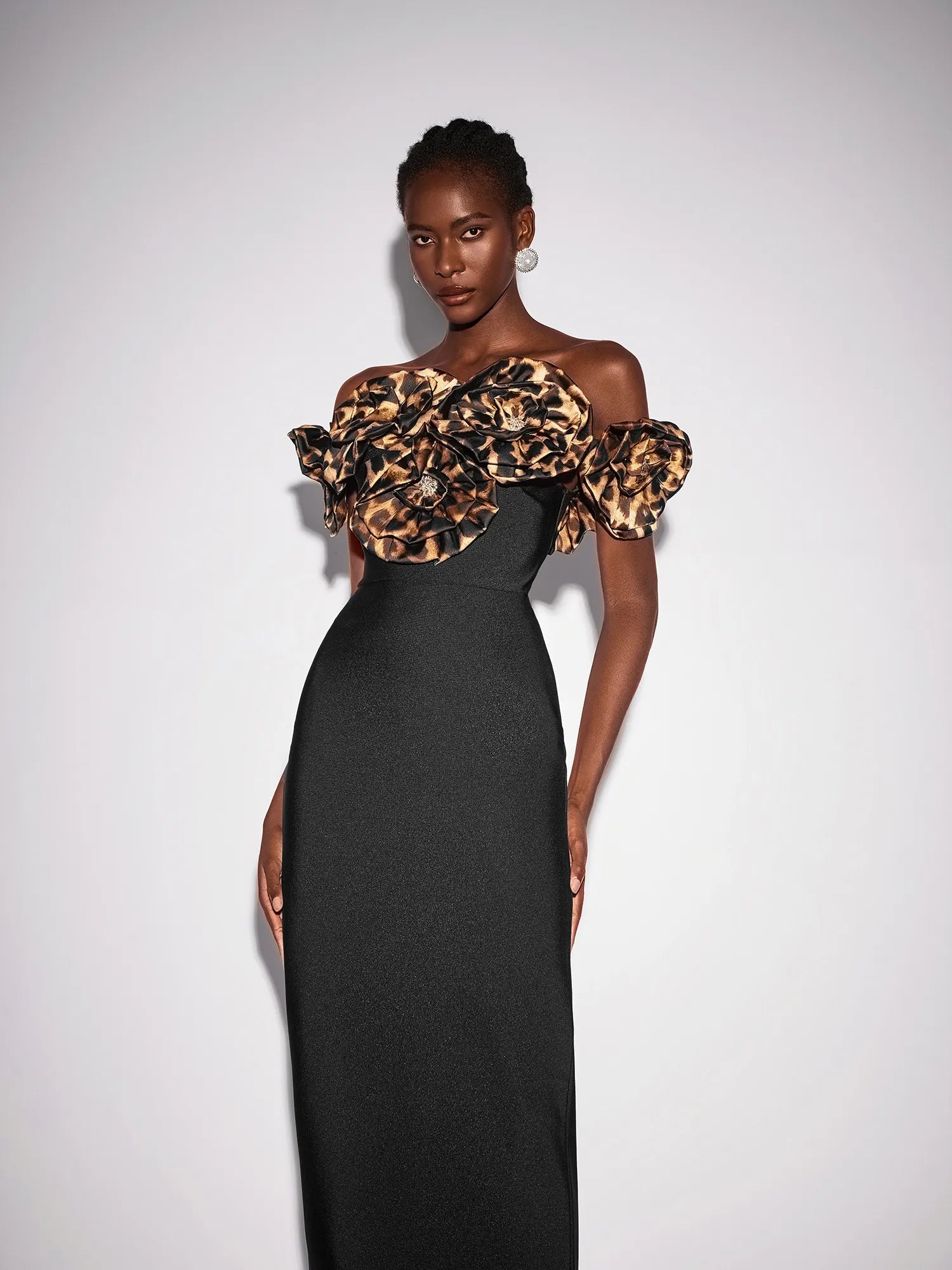
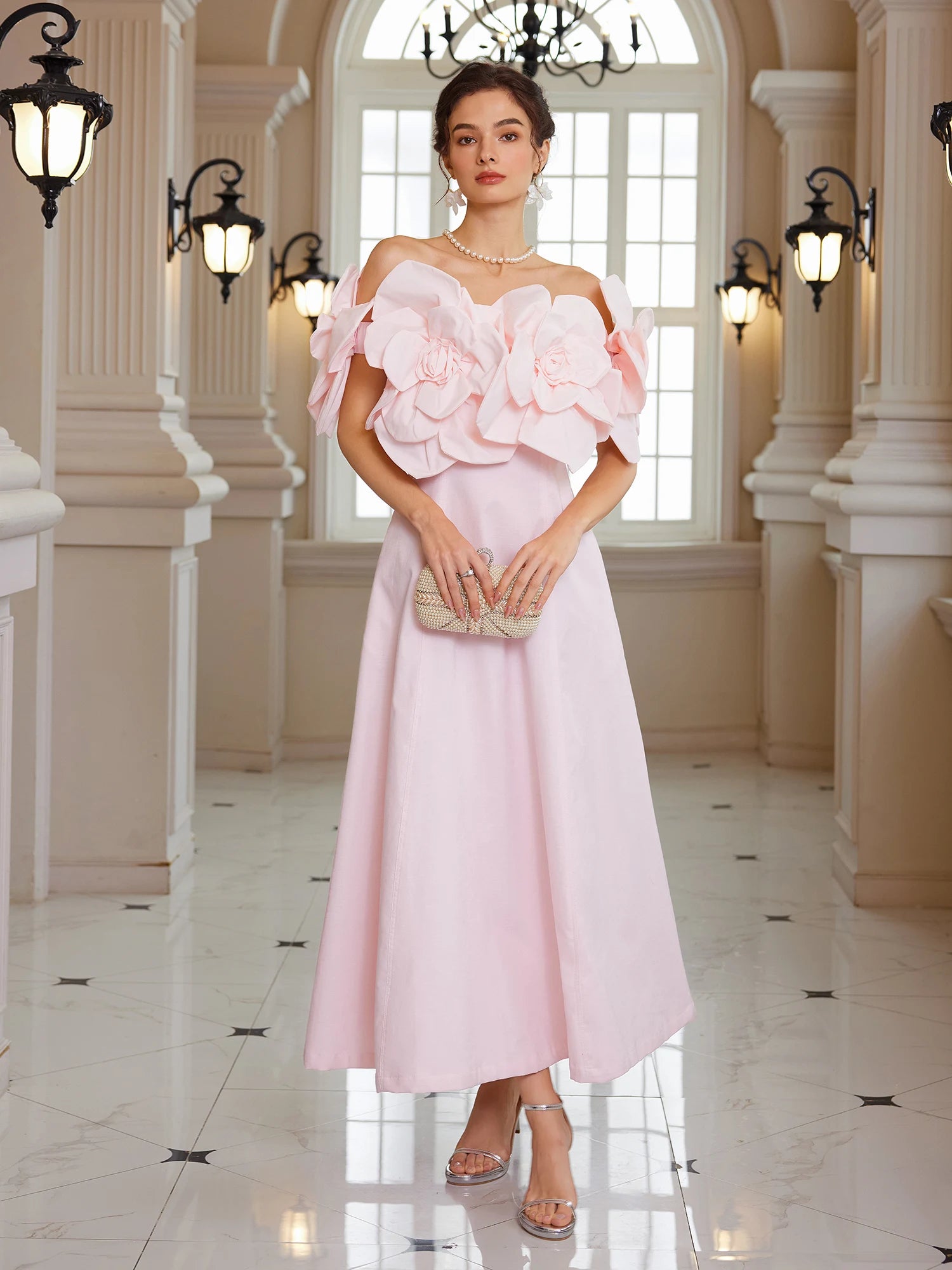
1.Emphasize at the Upper Body = Face‑First Focus
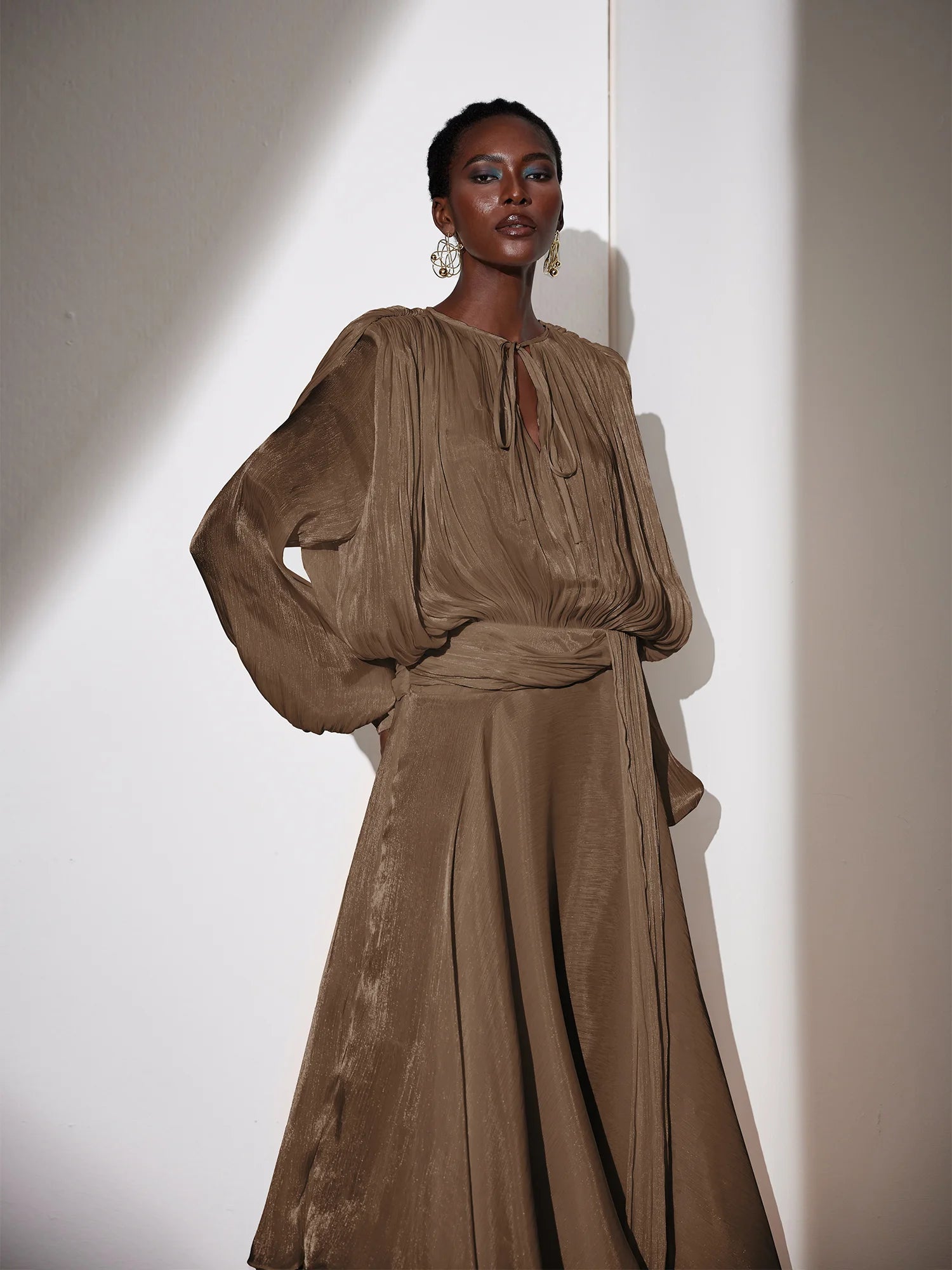
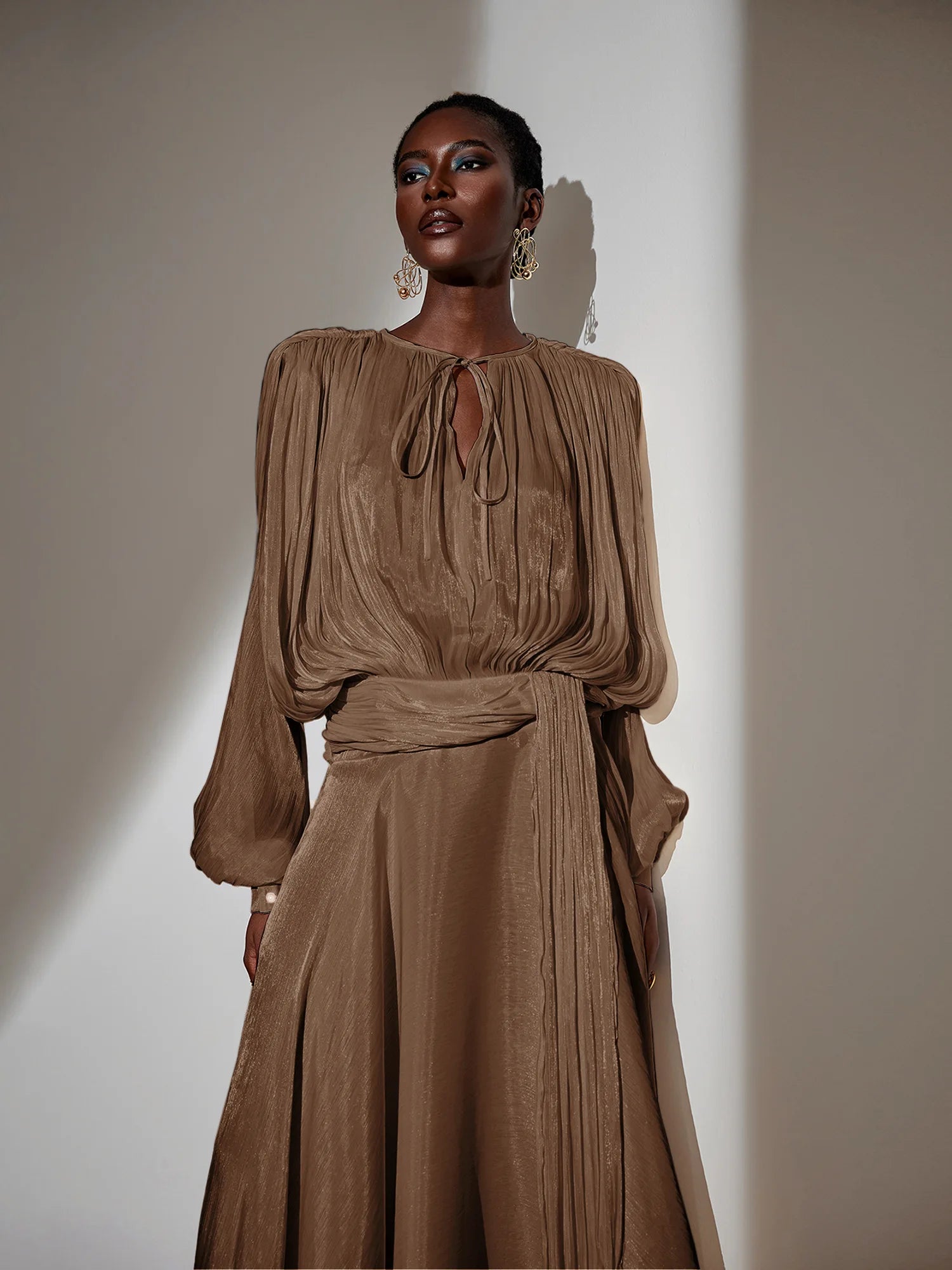
Place color, texture, or design detail above the waist—neckline, sleeves, yoke.
Why it work: It draws attention upward to the face, elongates legs, and feels airy.
Tip: Try a statement neckline (one-shoulder, V-neck) or textured bodice while keeping the skirt or pants muted.
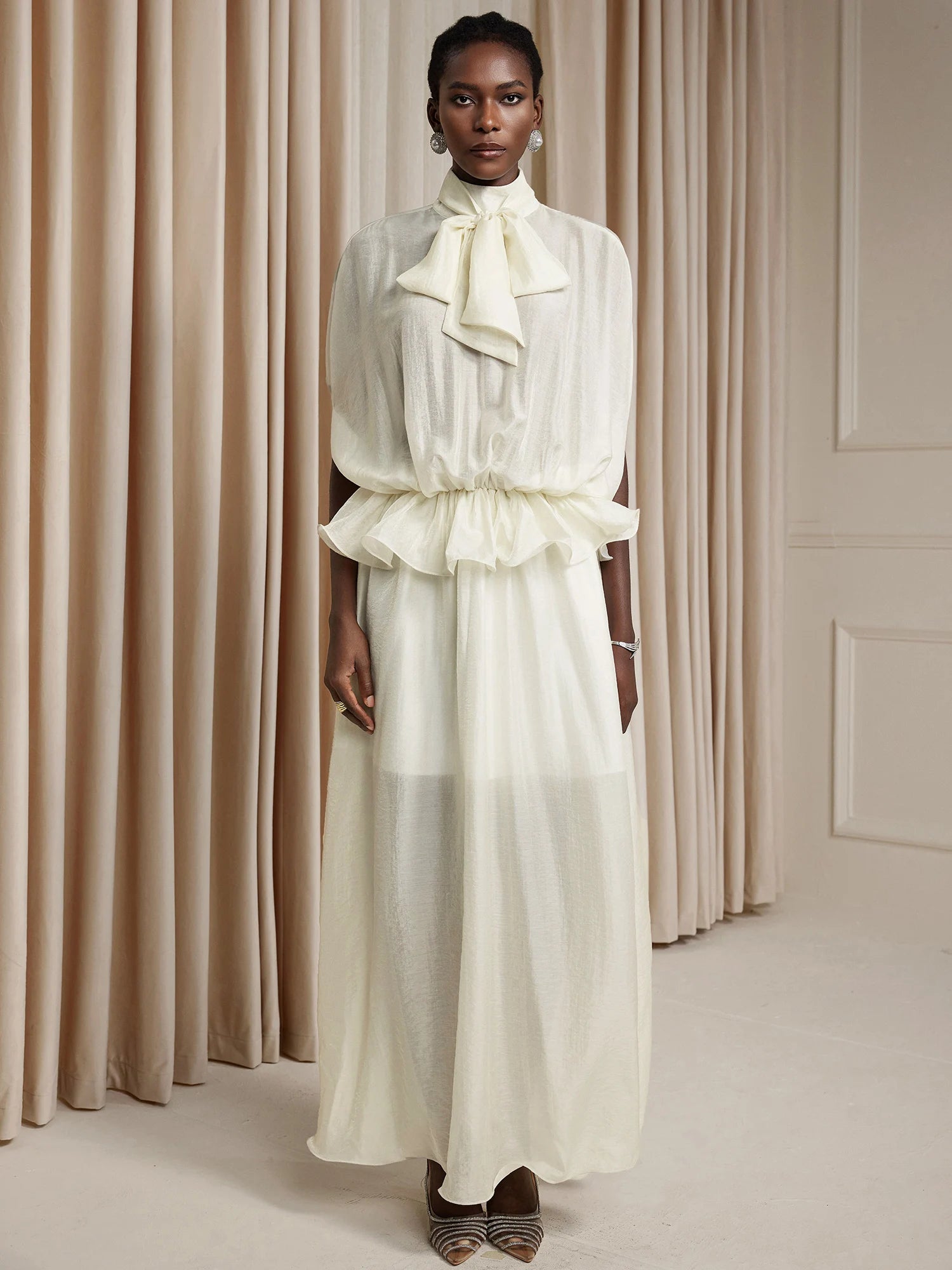
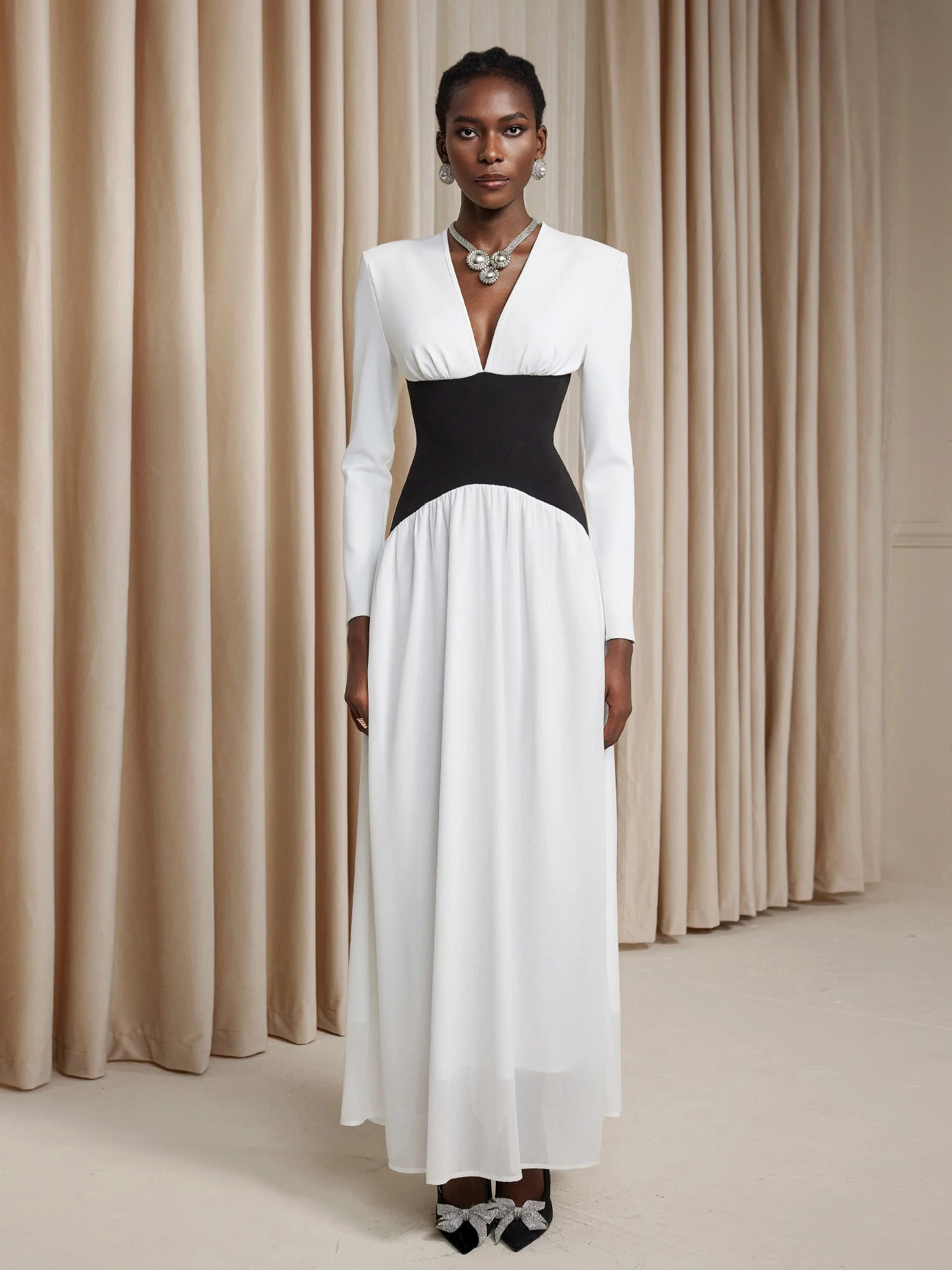
2.Mid‑Waist Focus = Anchored Elegance
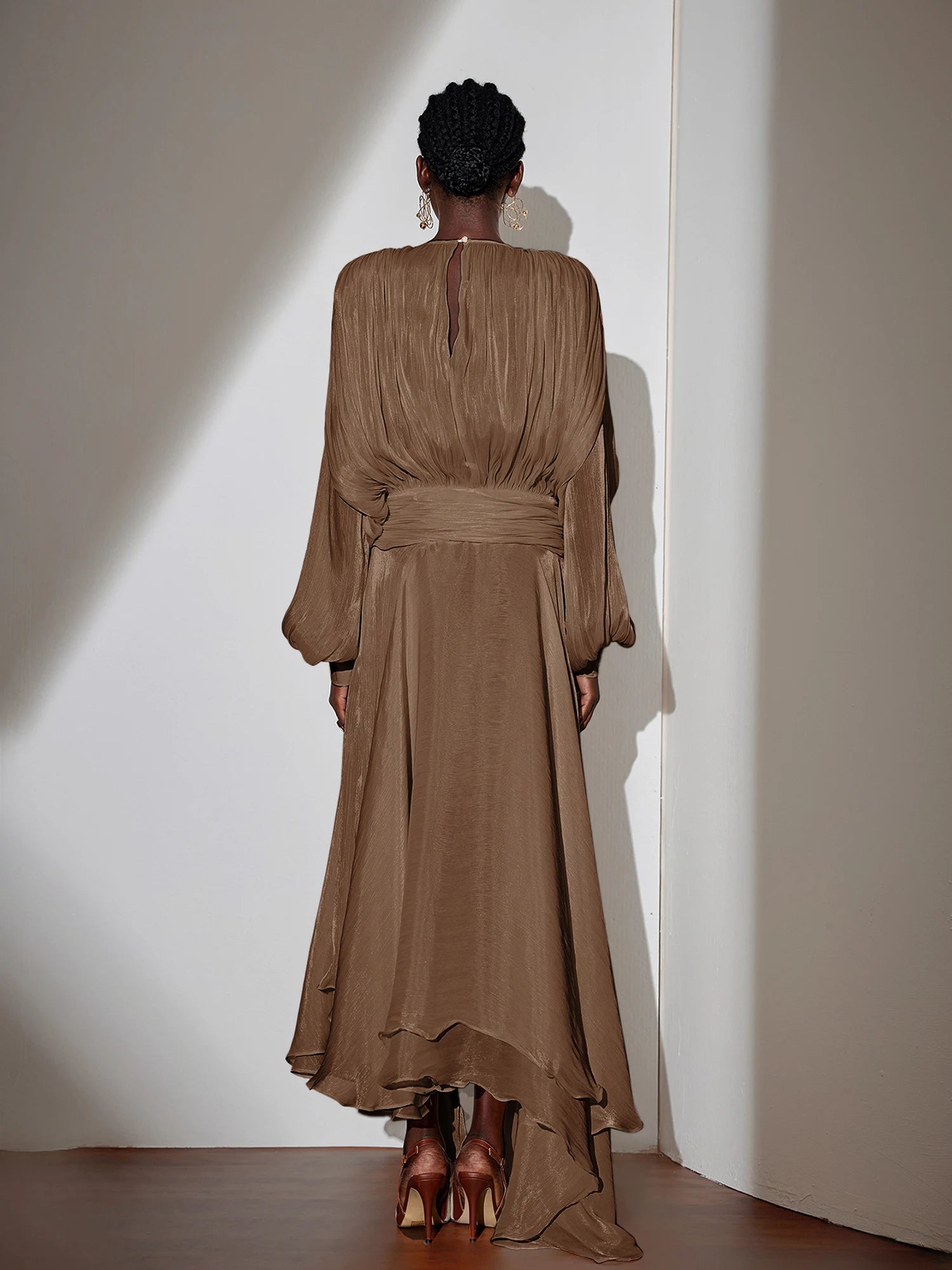
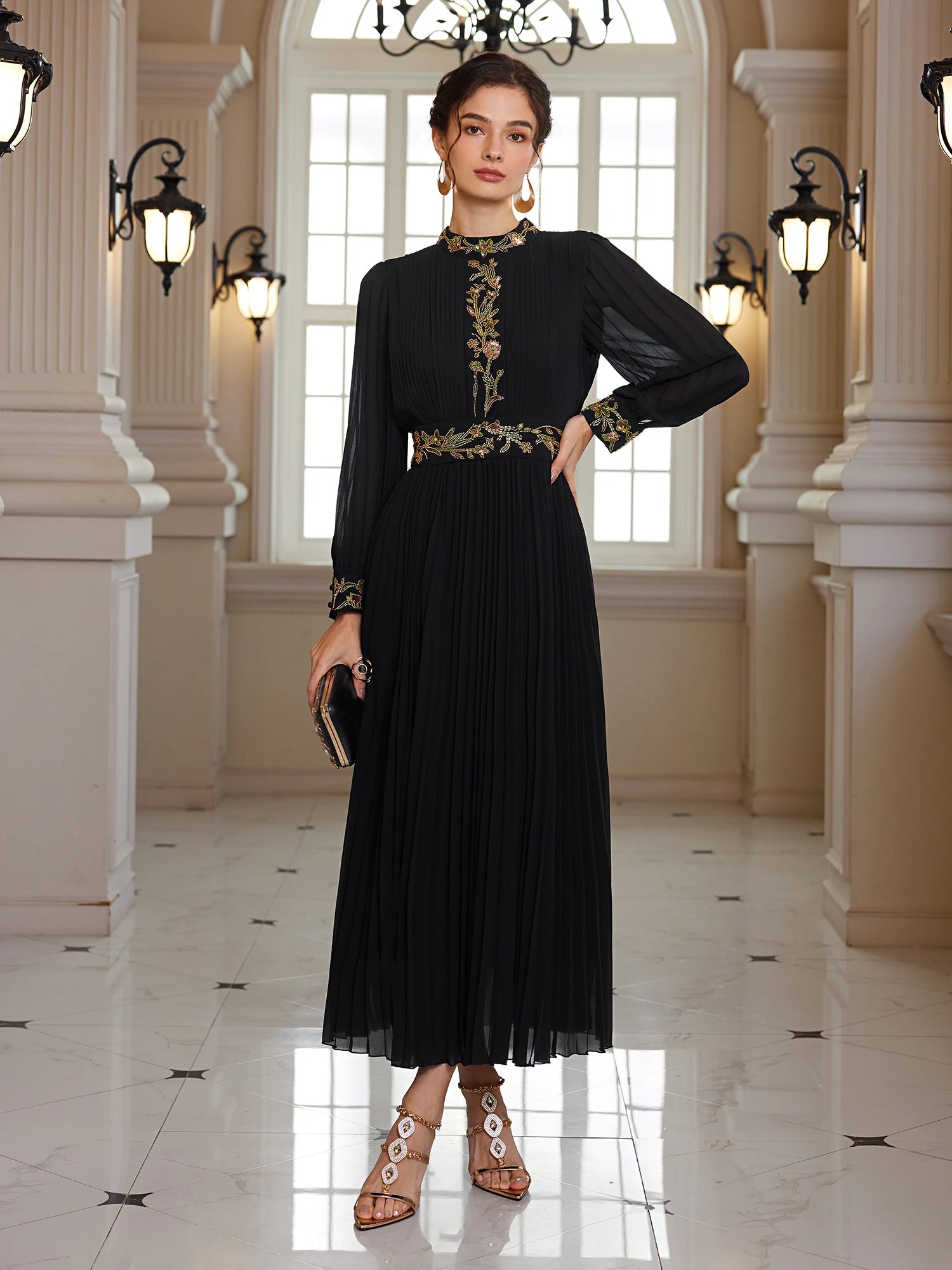
Use belts, seamlines, or dropped waist details around the natural waist.
Why it work: It reinforces your center of gravity, creating symmetry and proportion.
Tip: For a flowy dress, add a slim belt at your true waist to bring structure without bulk.
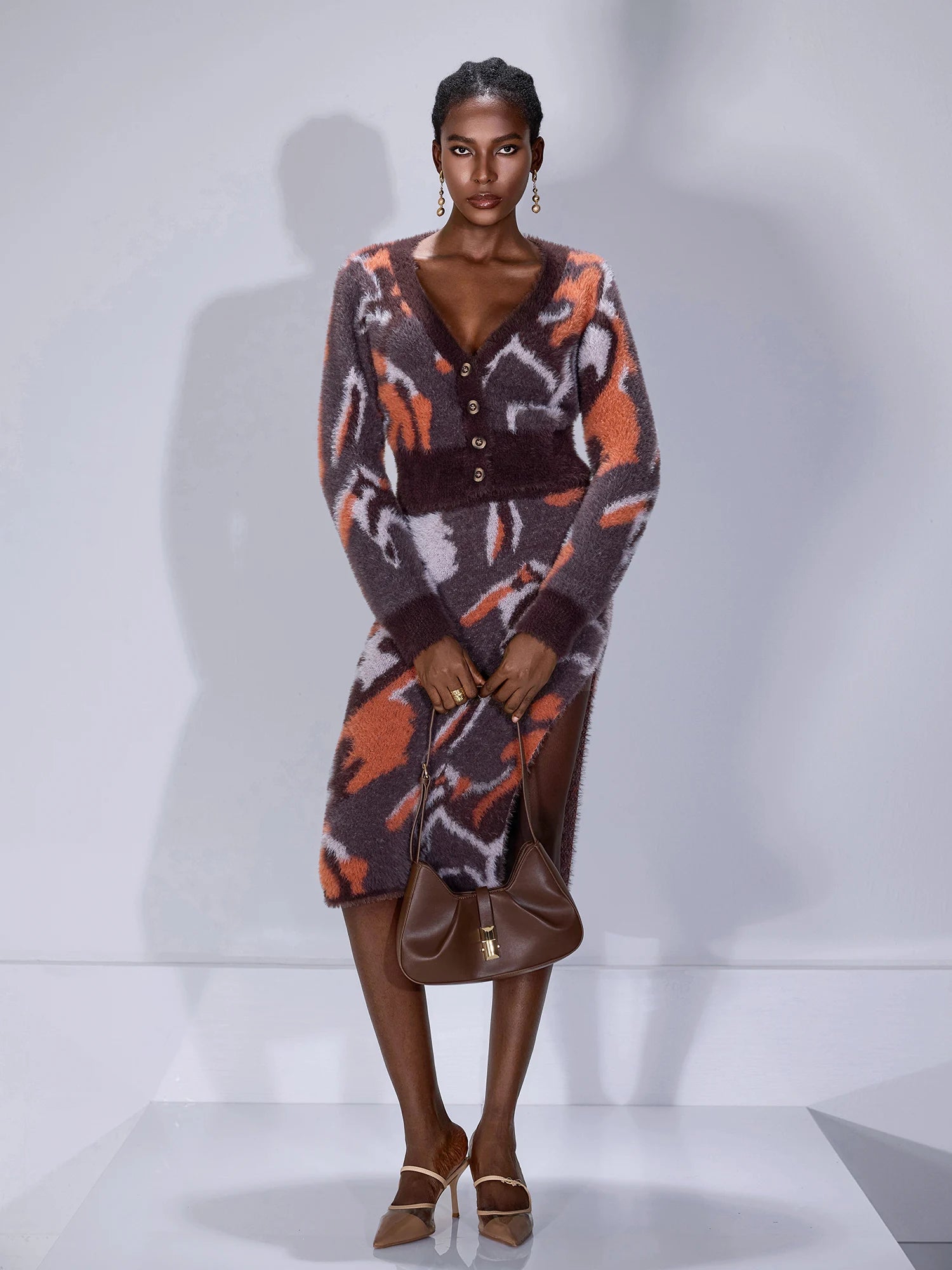
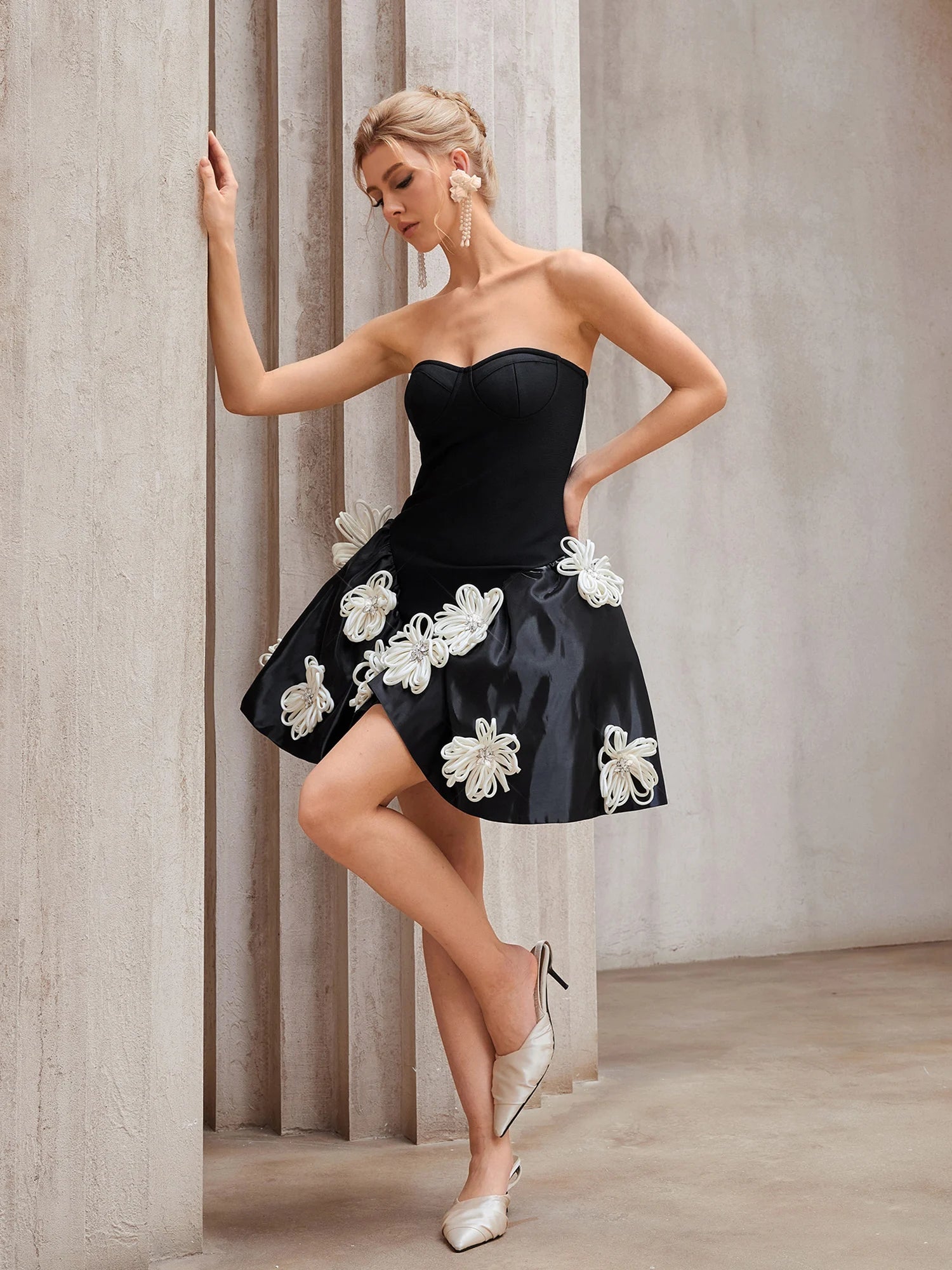
3.Lower Body Weight = Grounding the Look
Seen in bold hems, patterns, or boots.
Why it work: Weighted detail at the bottom anchors the outfit, offering contrast to lighter tops.
Tip: Pair a neutral top with a patterned skirt or strong boot silhouette to ground your look.


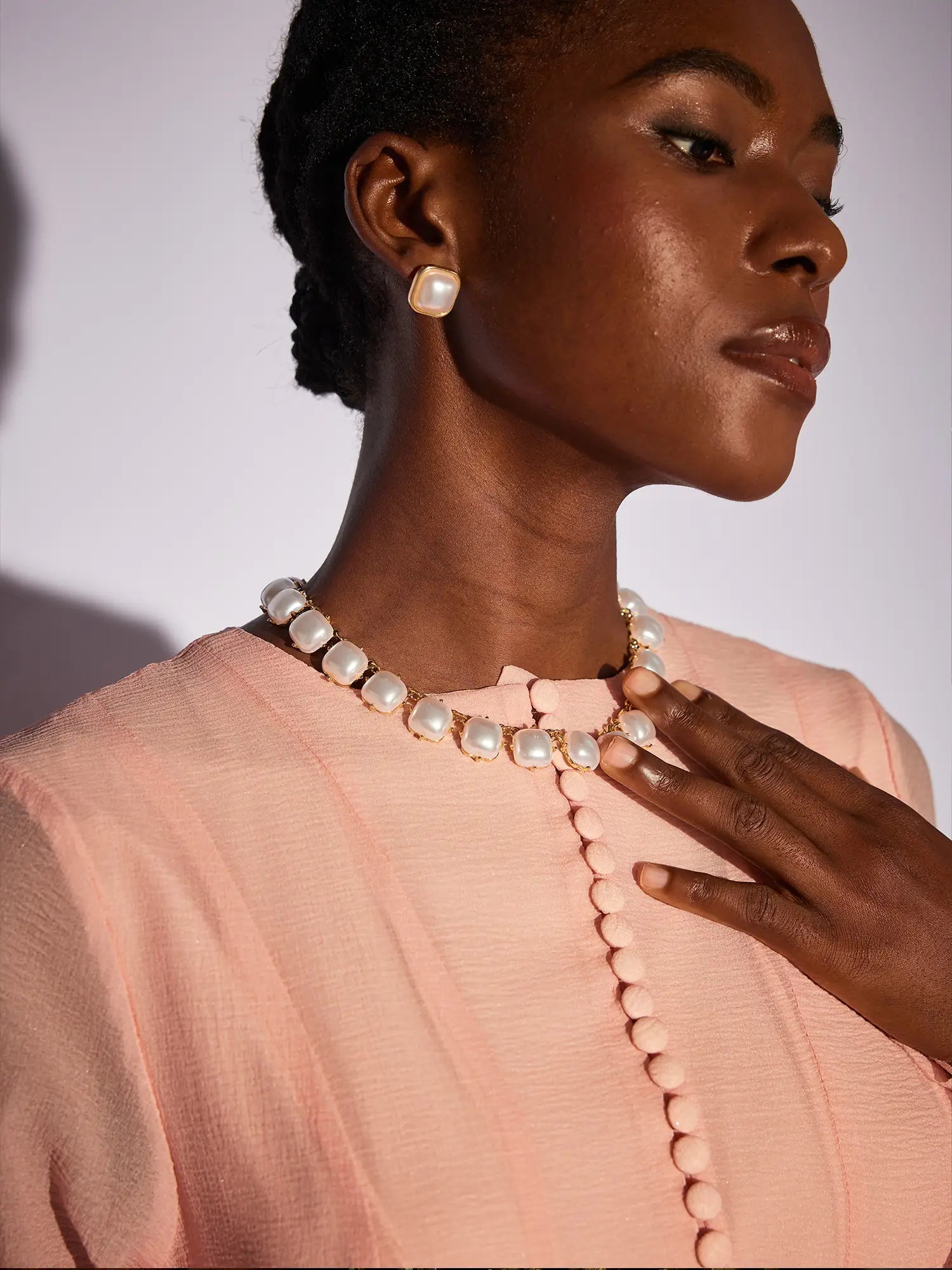
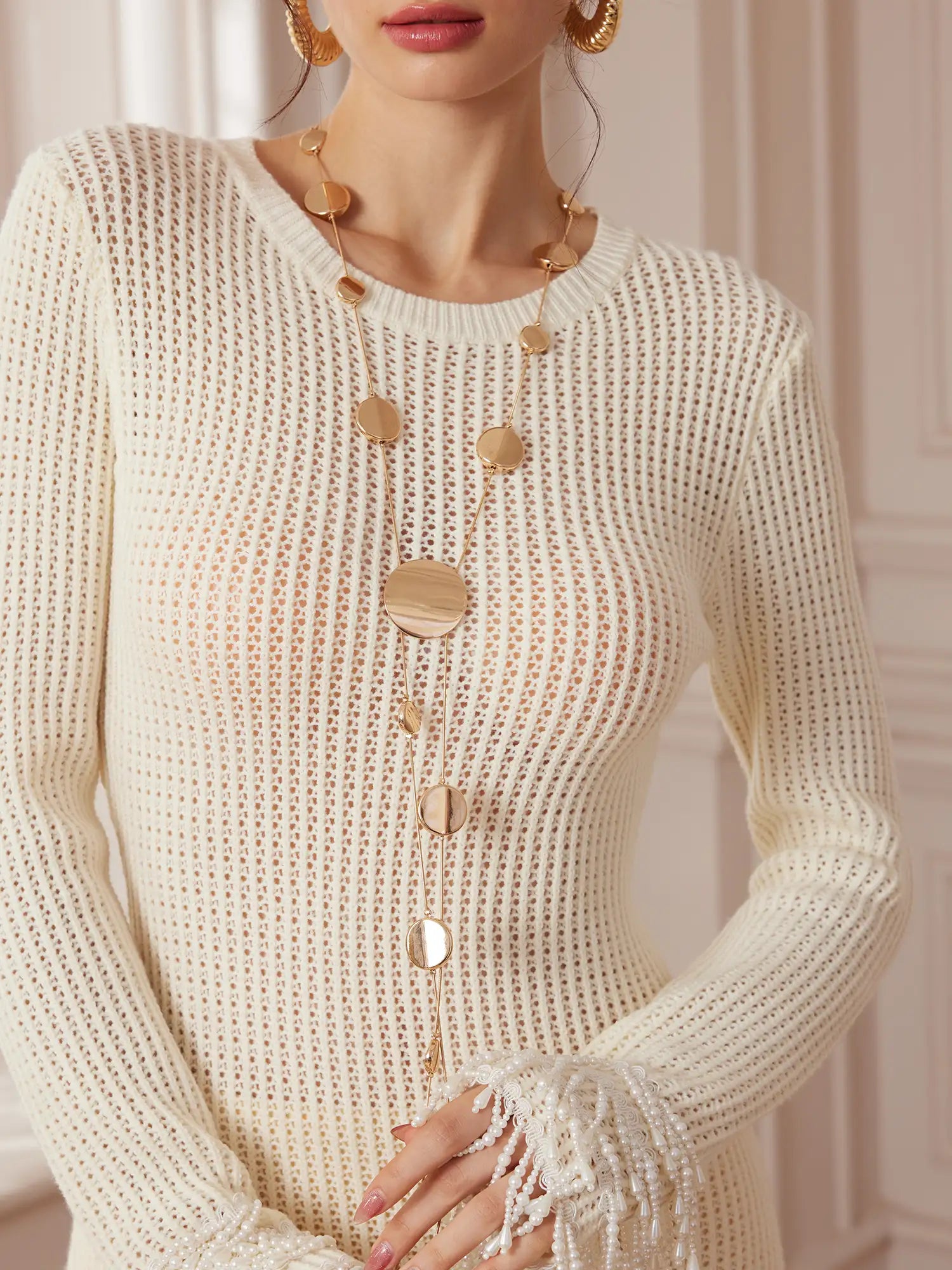
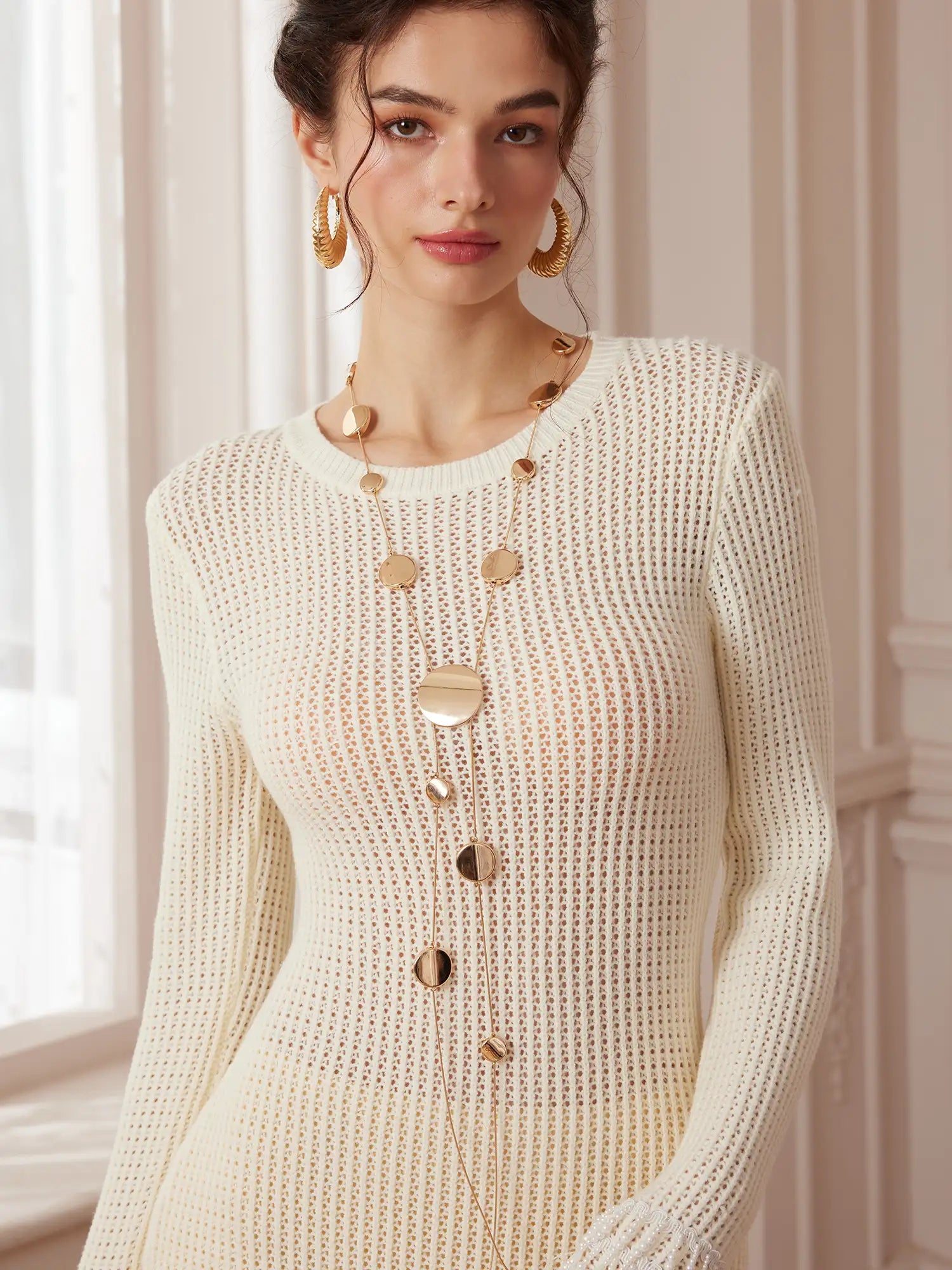
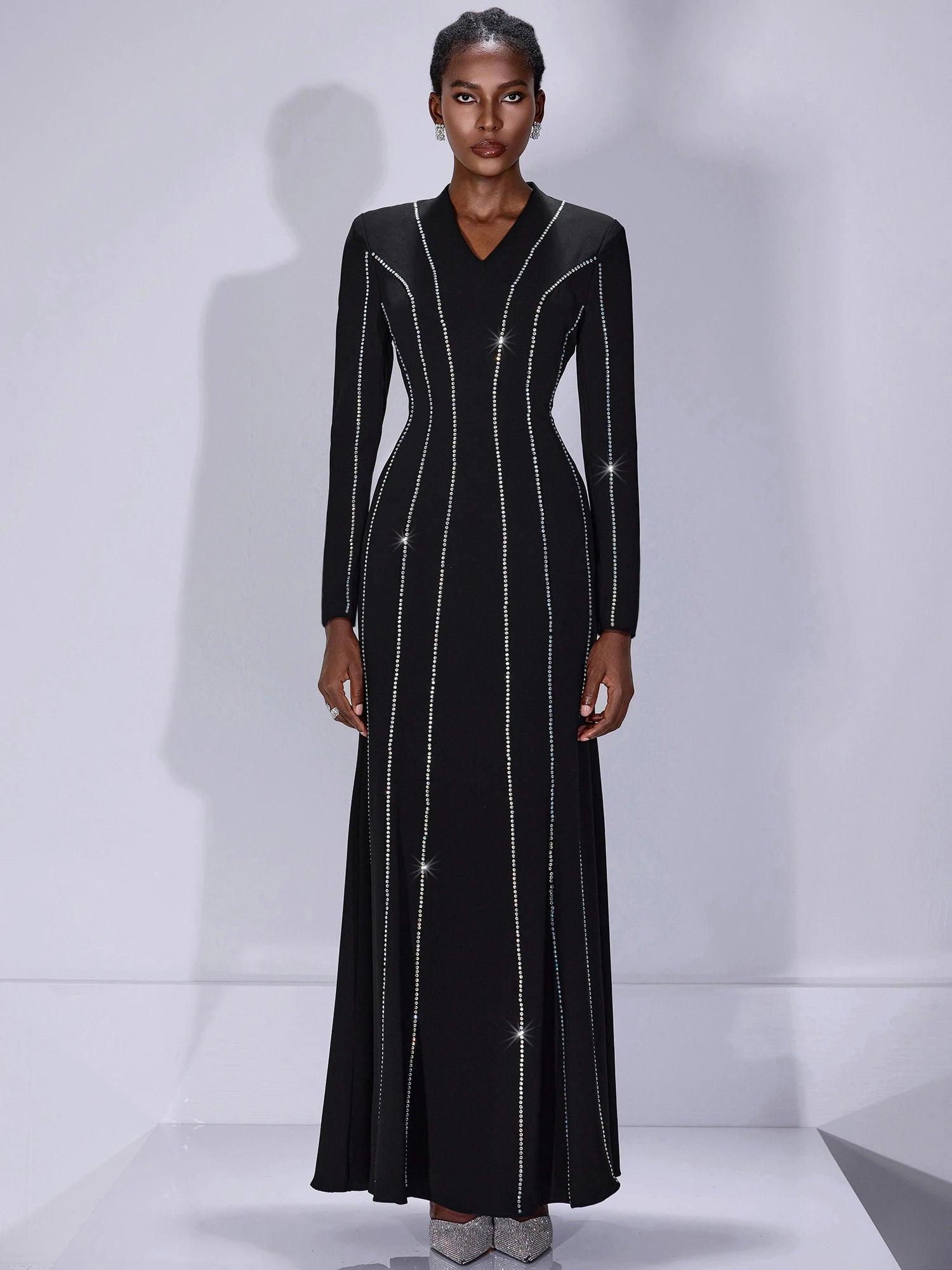
4.One Strong Vertical Line = Visual Channel
Single dominant vertical element (long line, placket, lapel) guides the eye top to bottom.
Why it work: It creates graceful movement and elongation.
Tip: Use a long open vest or coat over a monochrome base to set the visual line.
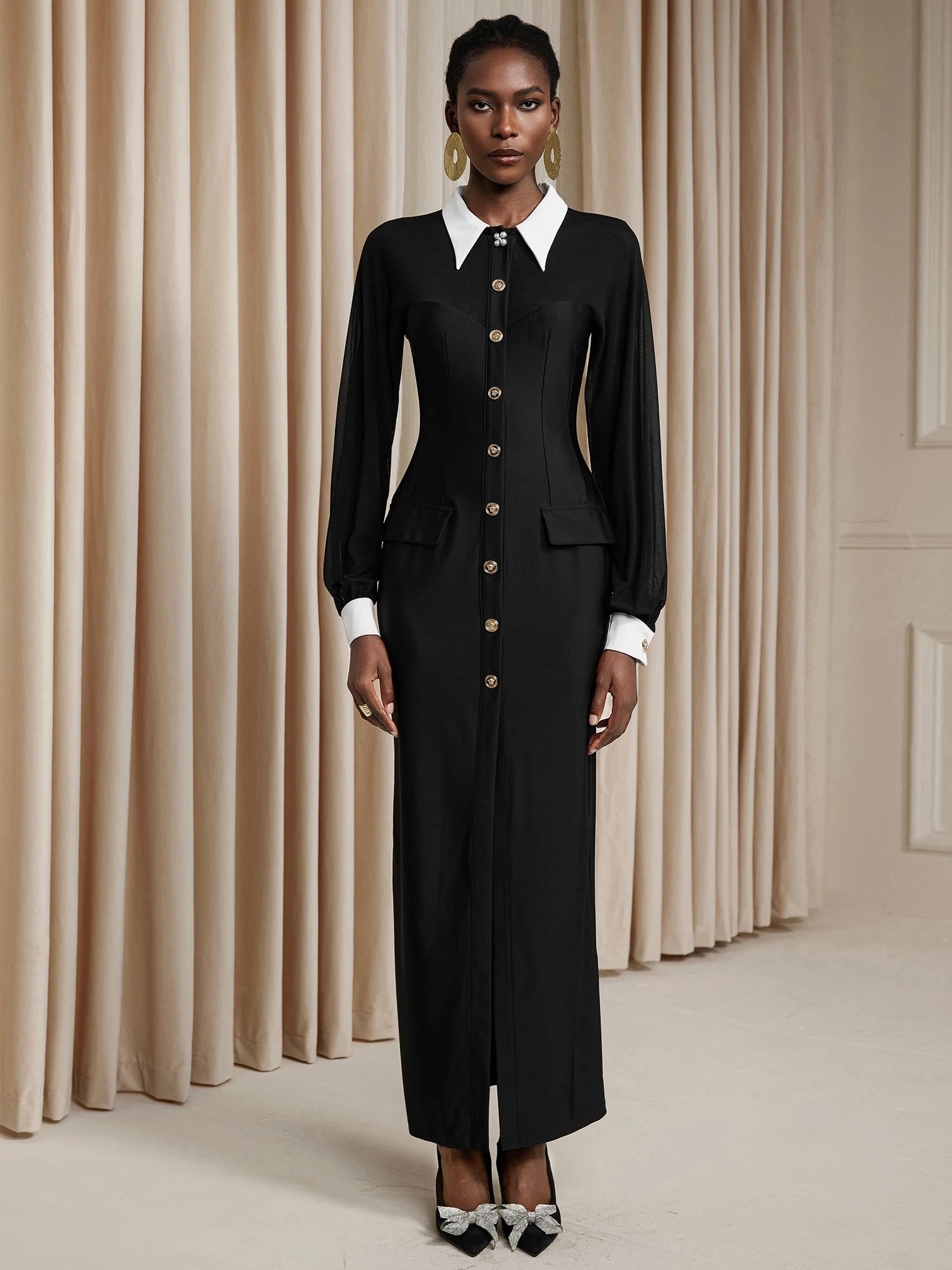

5.Avoid Competing Focal Points = Tidy Hierarchy
Too many “loud” elements (bright colors, statement prints, bold accessories) can clash.
Why it work: Clashing visual weights confuse the eye and flatten balance.
Tip: Stick to one focal area—if your top has an eye-catching design, keep bottoms simpler.

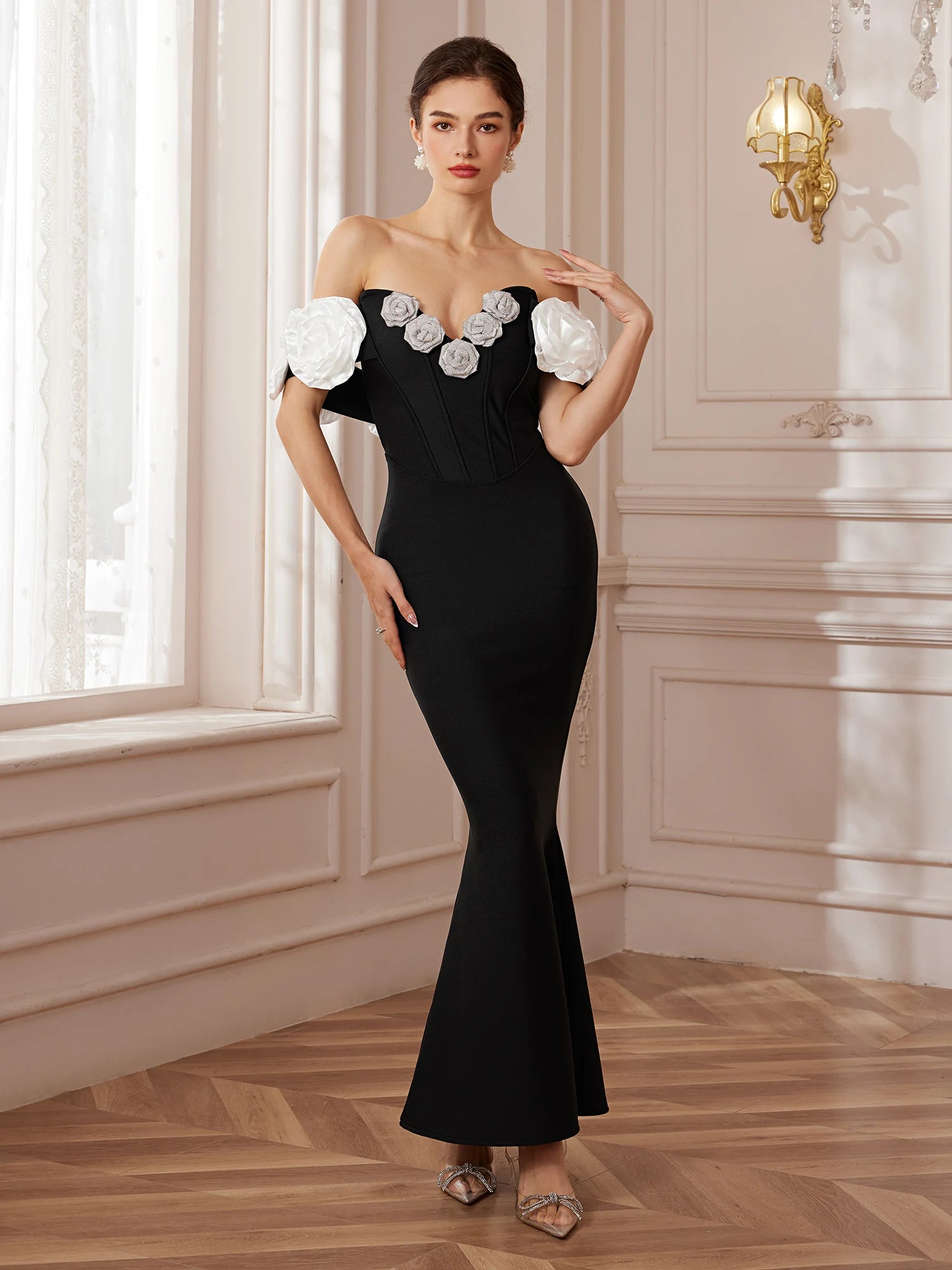

✨ Which visual center will you try today?
Experiment placing weight above, at, or below the waist—and feel how the same outfit changes just by shifting focus.