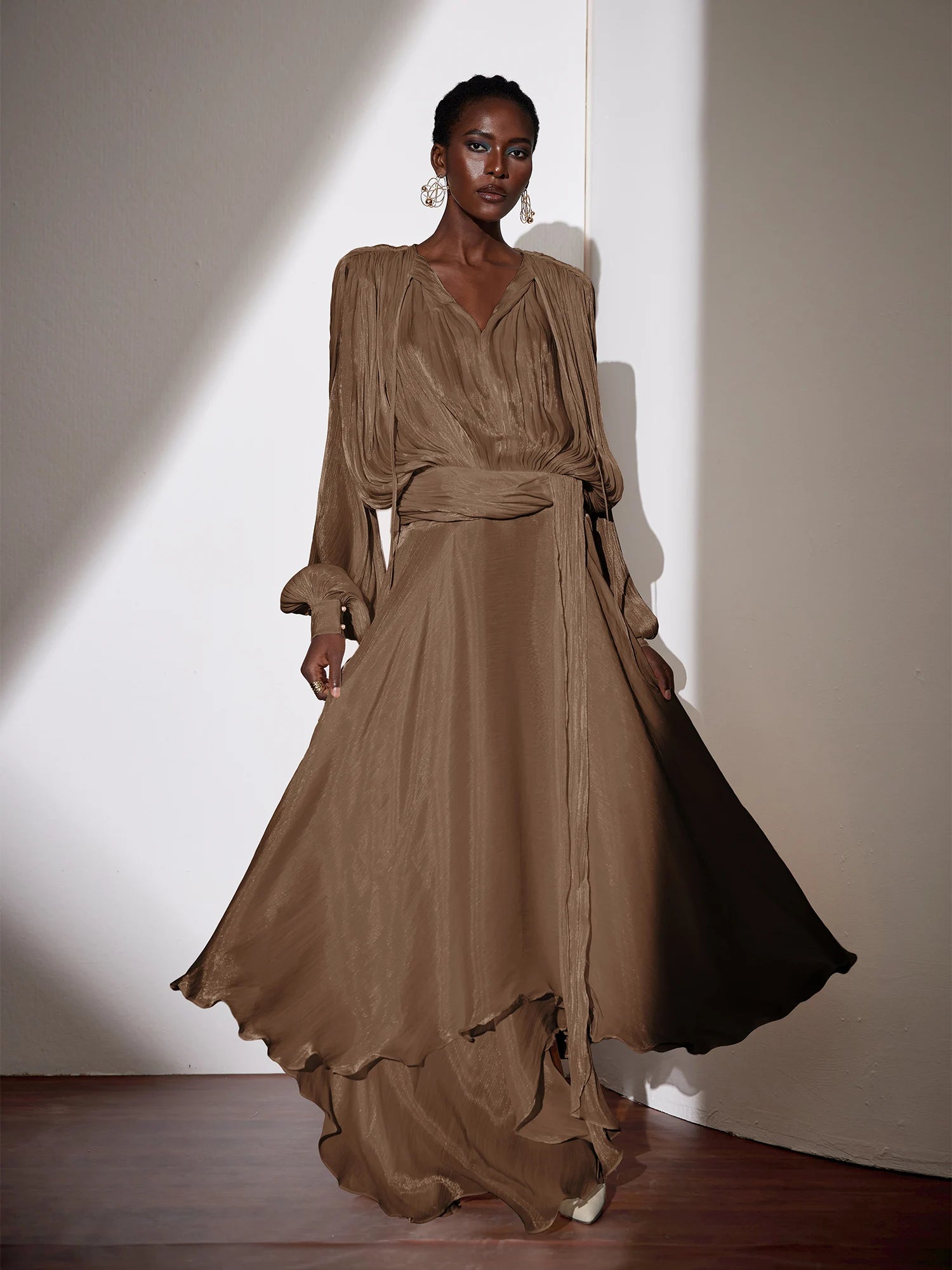
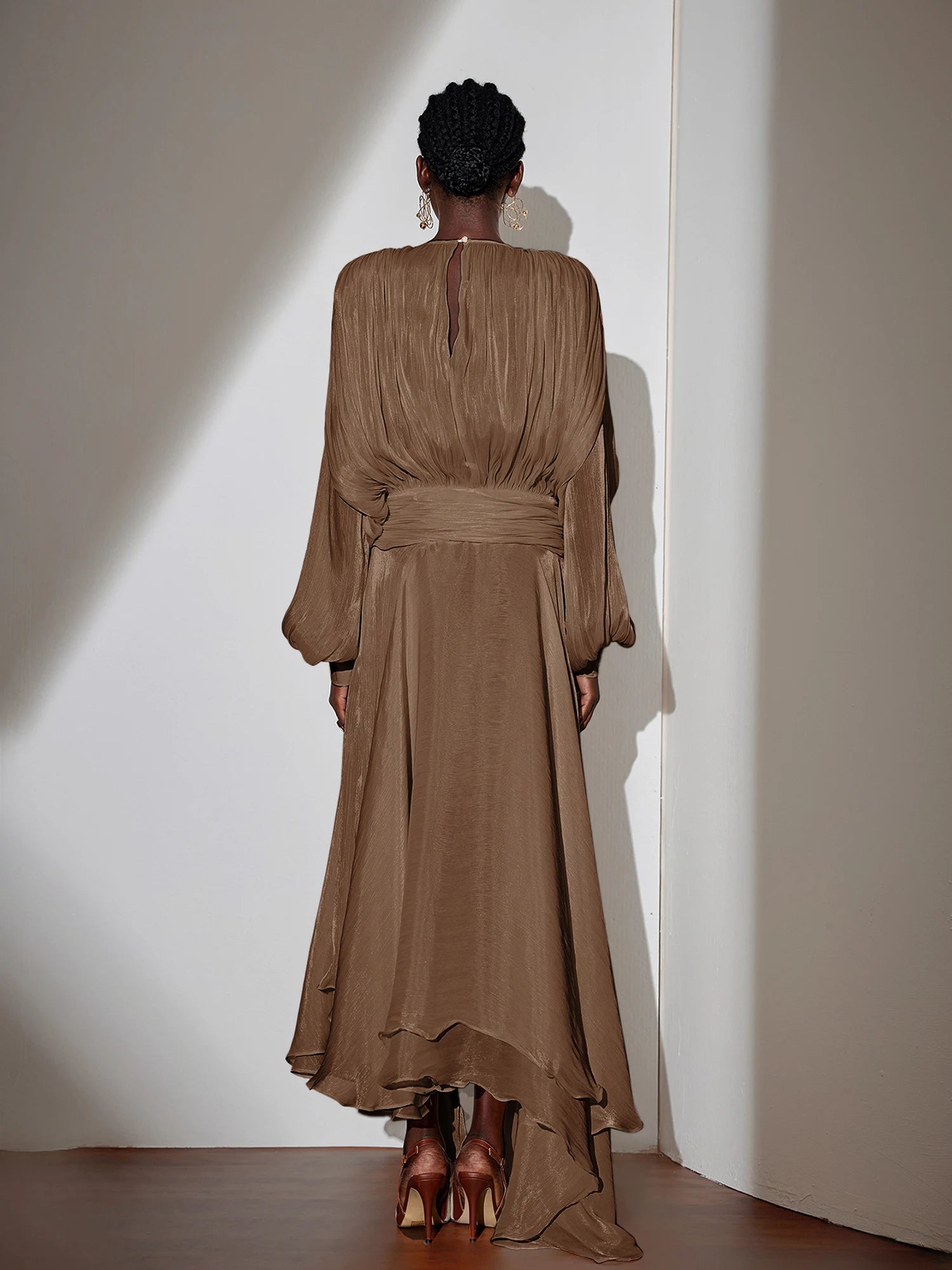
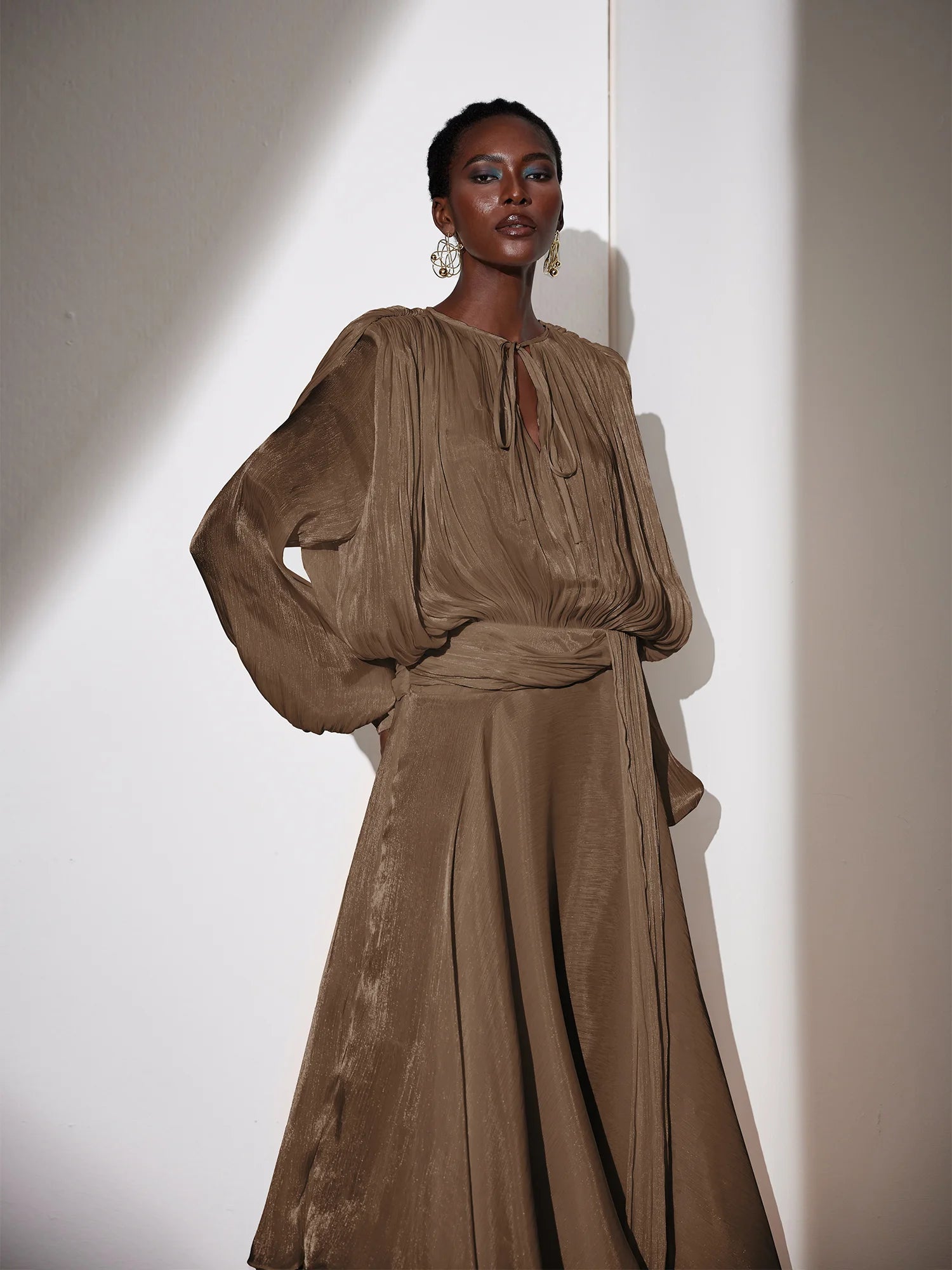
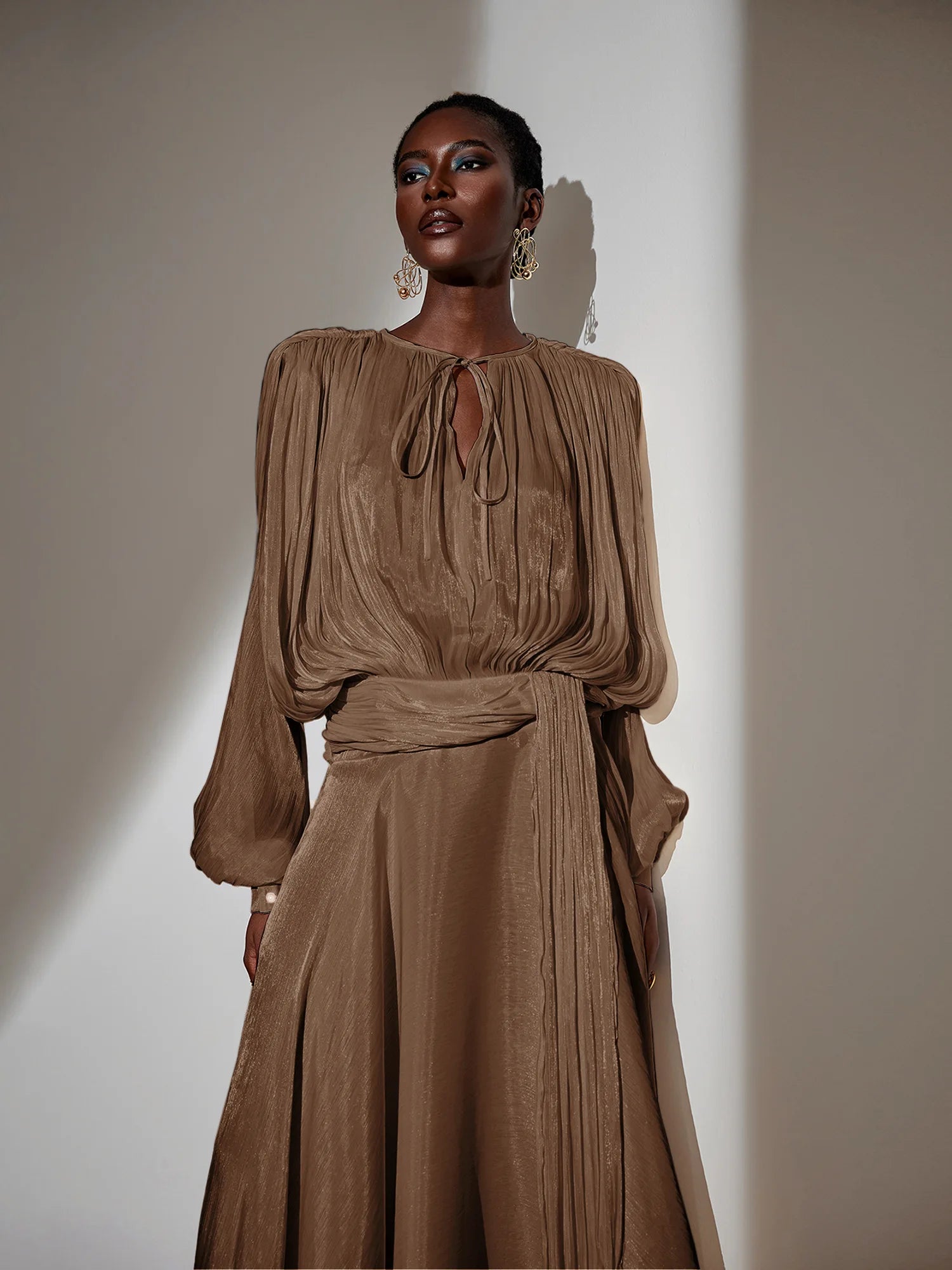
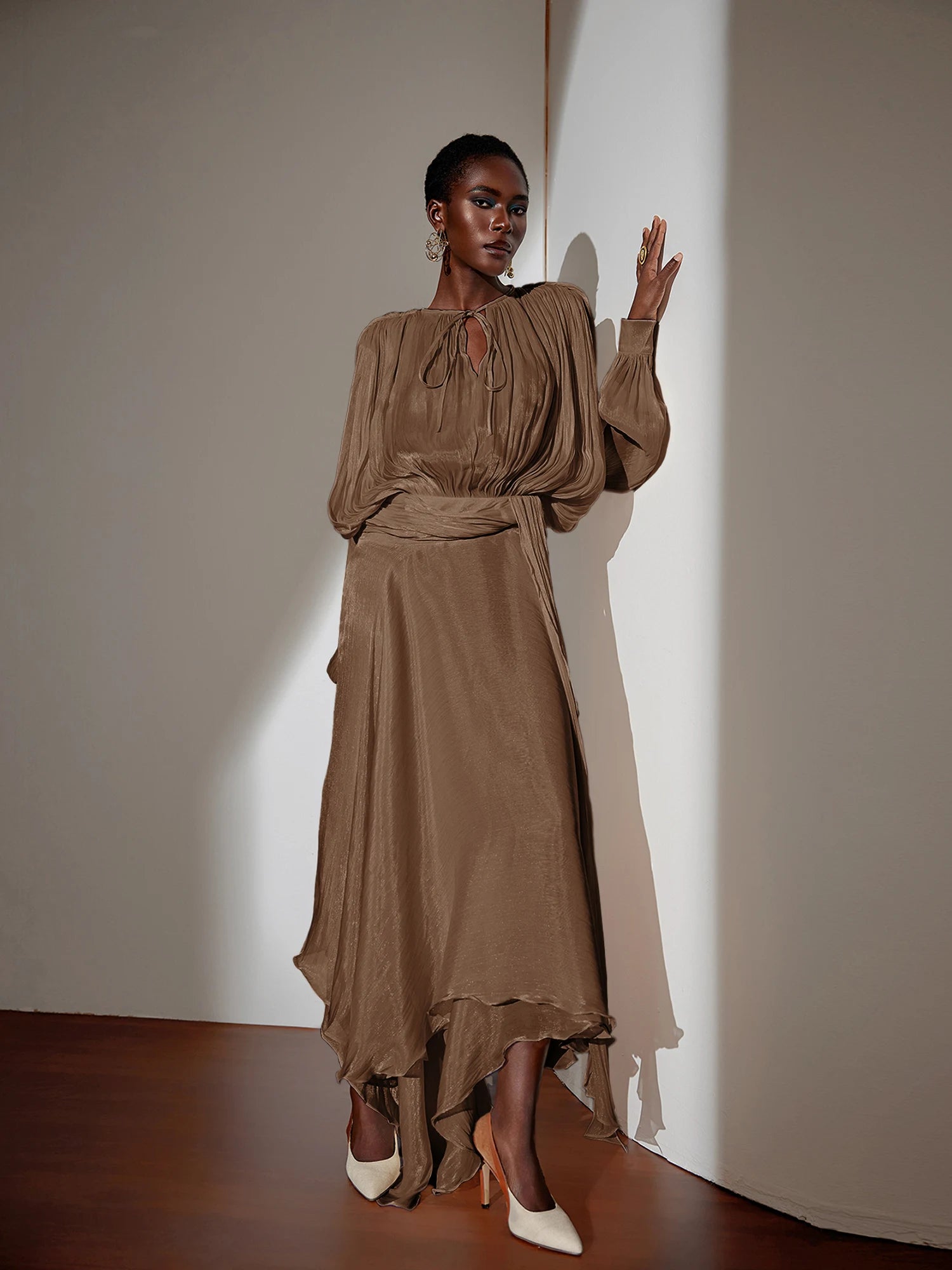
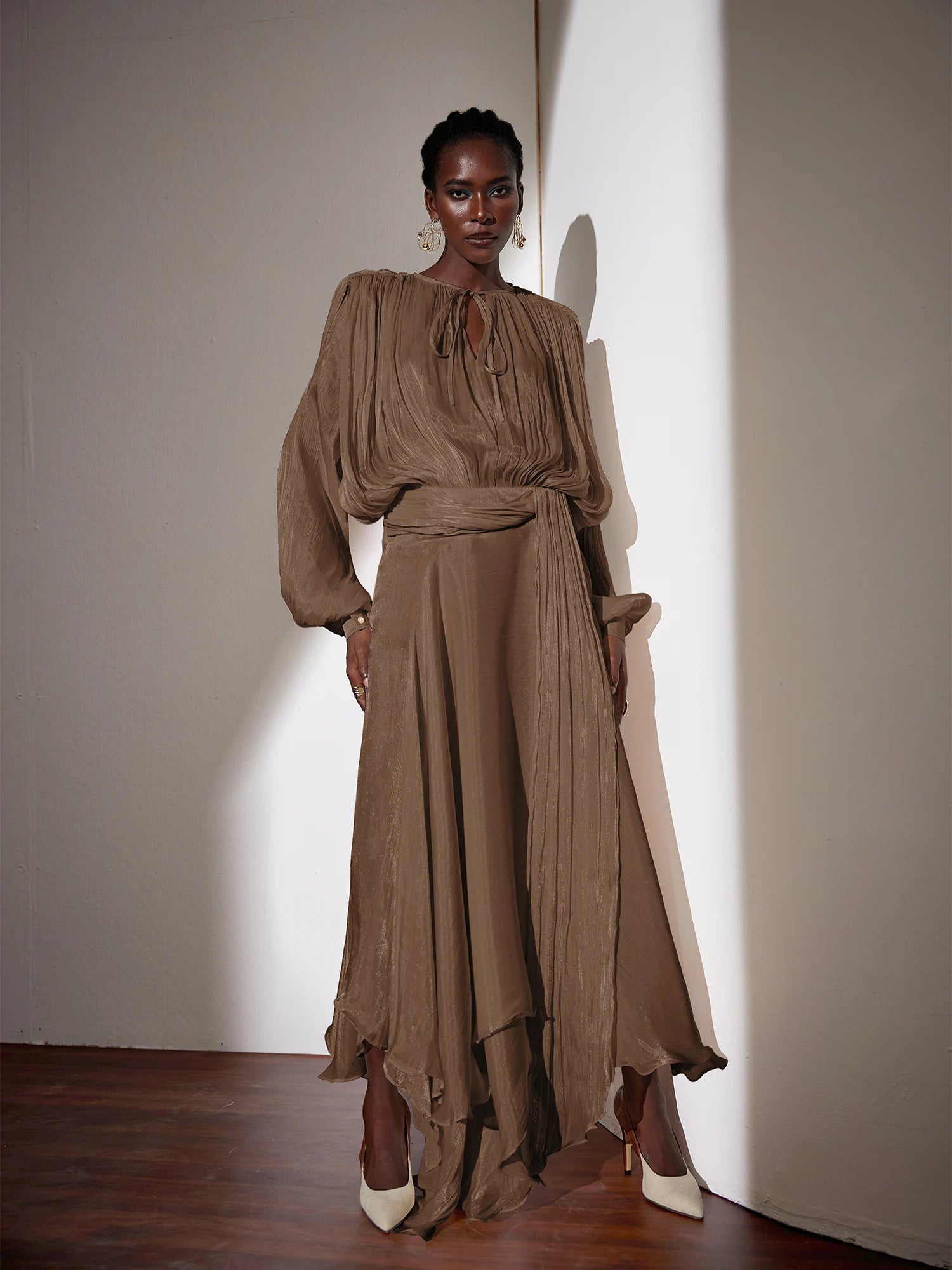
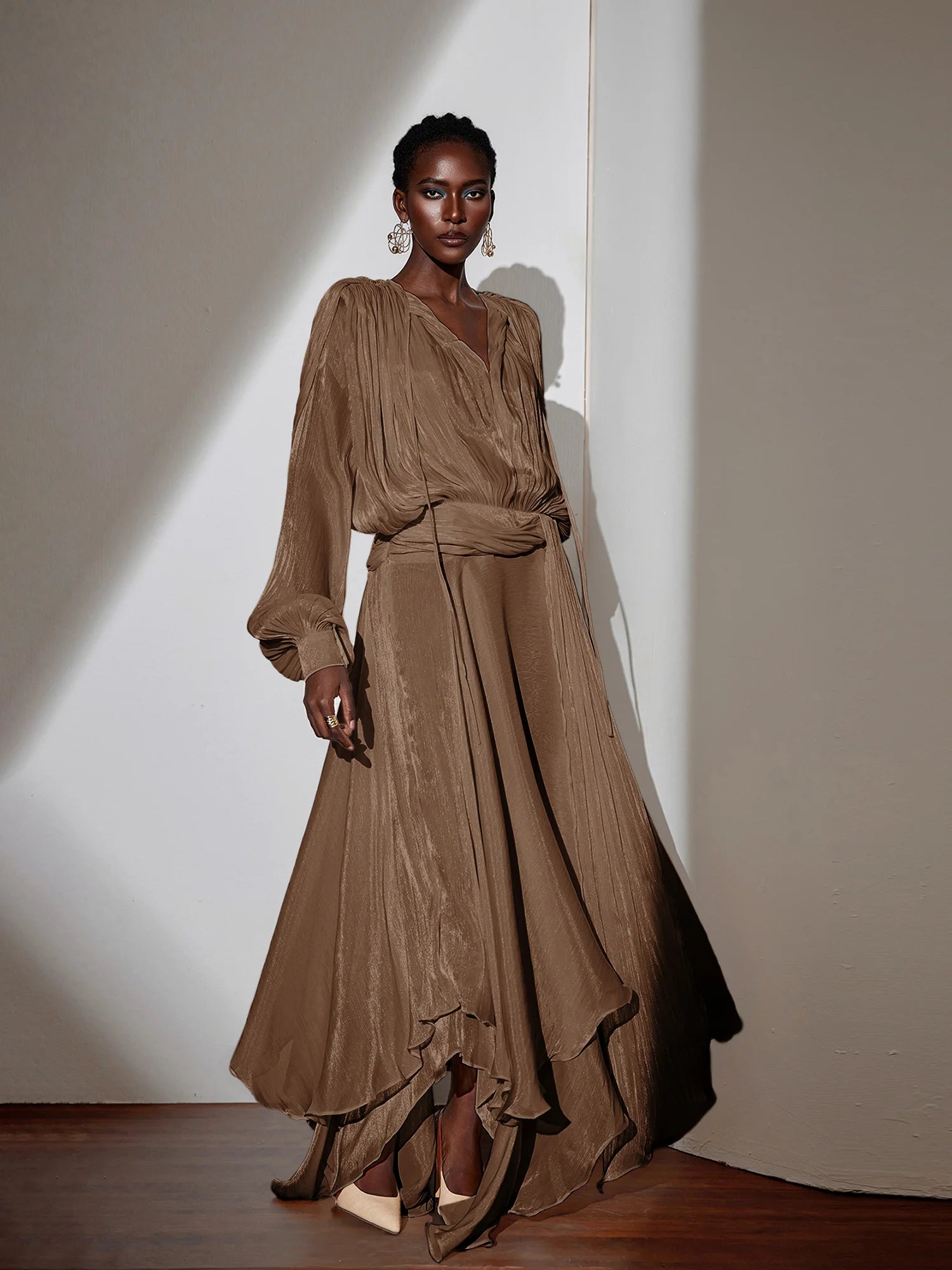
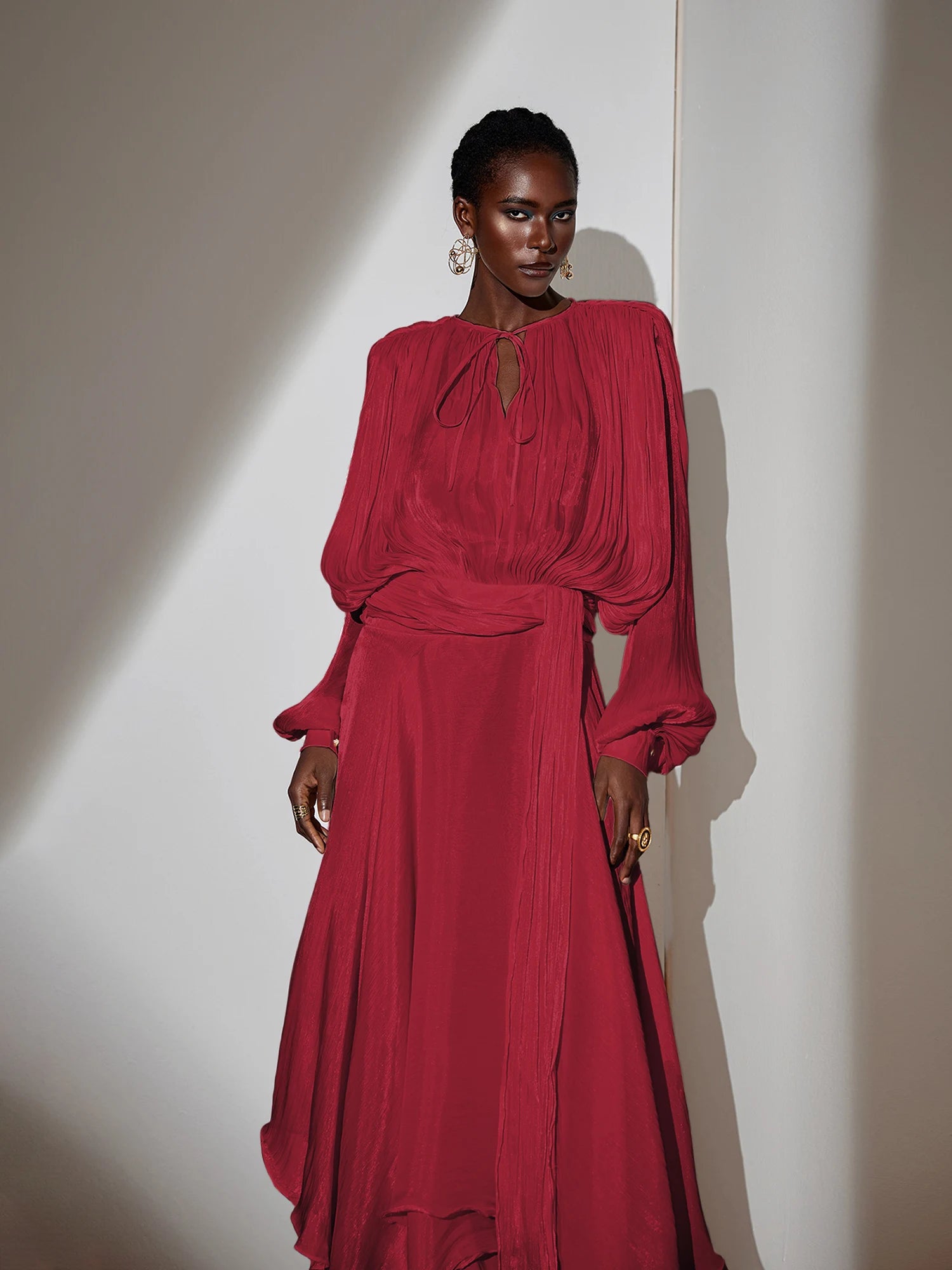
Hey fashion appreciator!
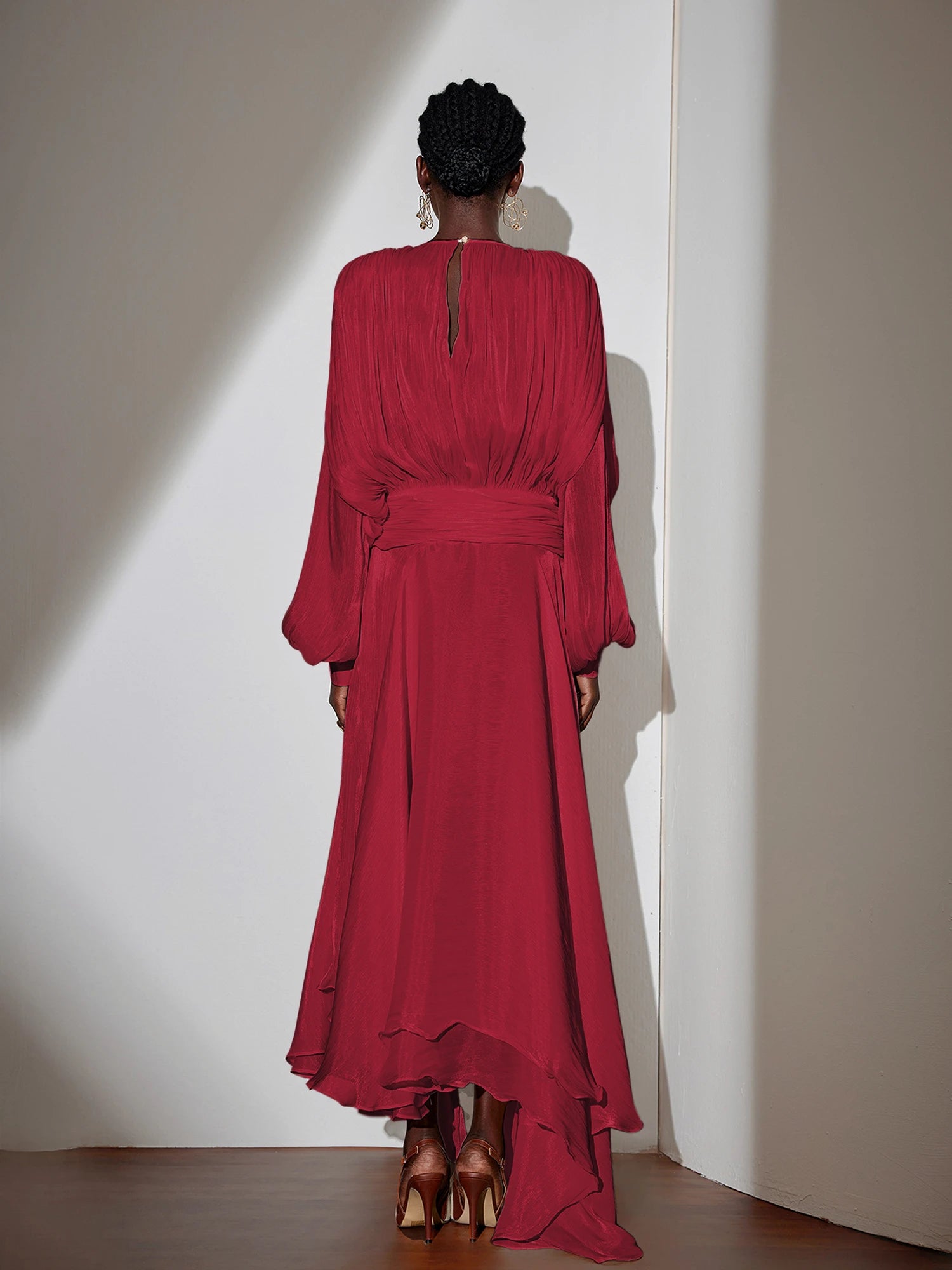
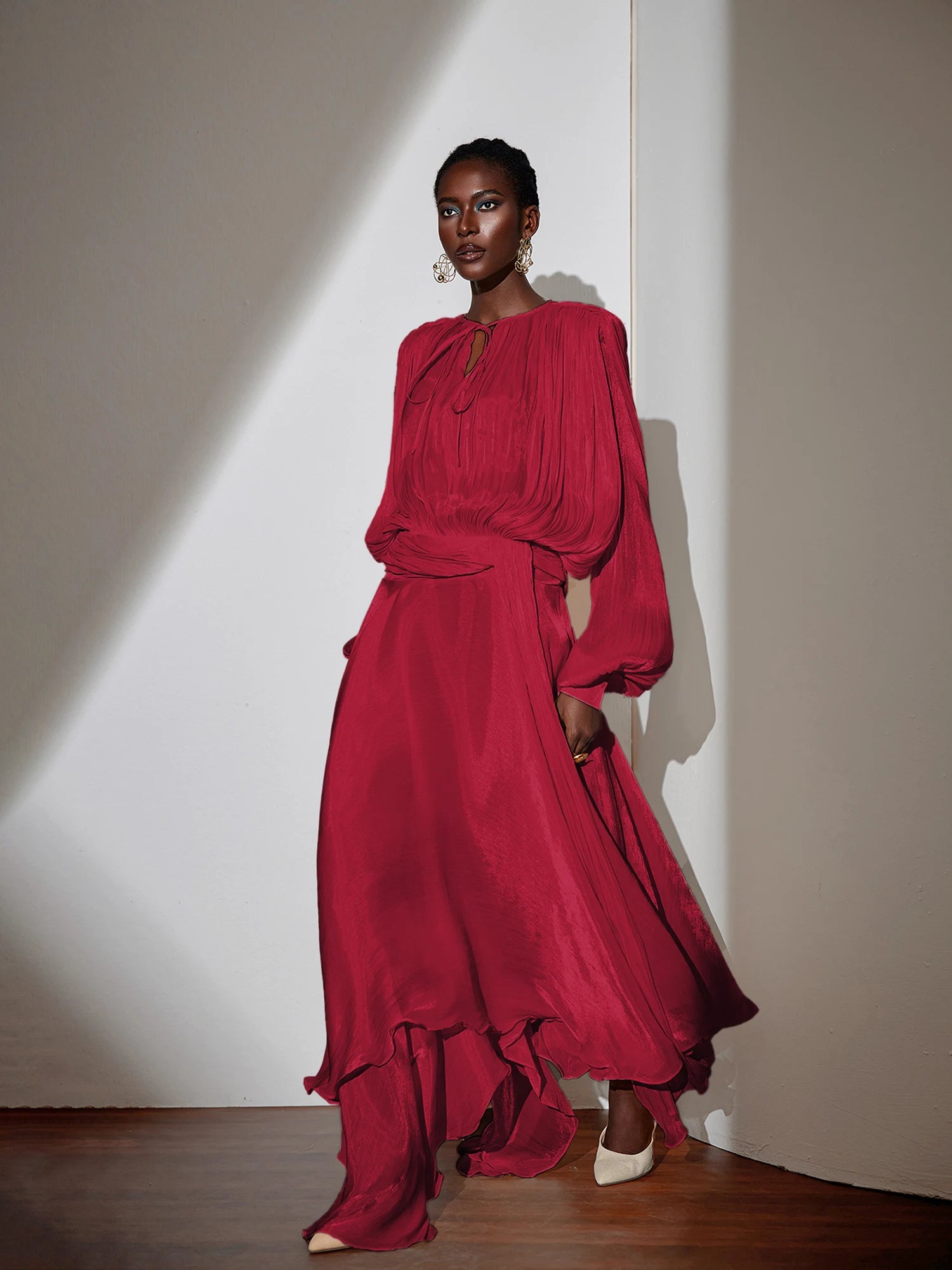
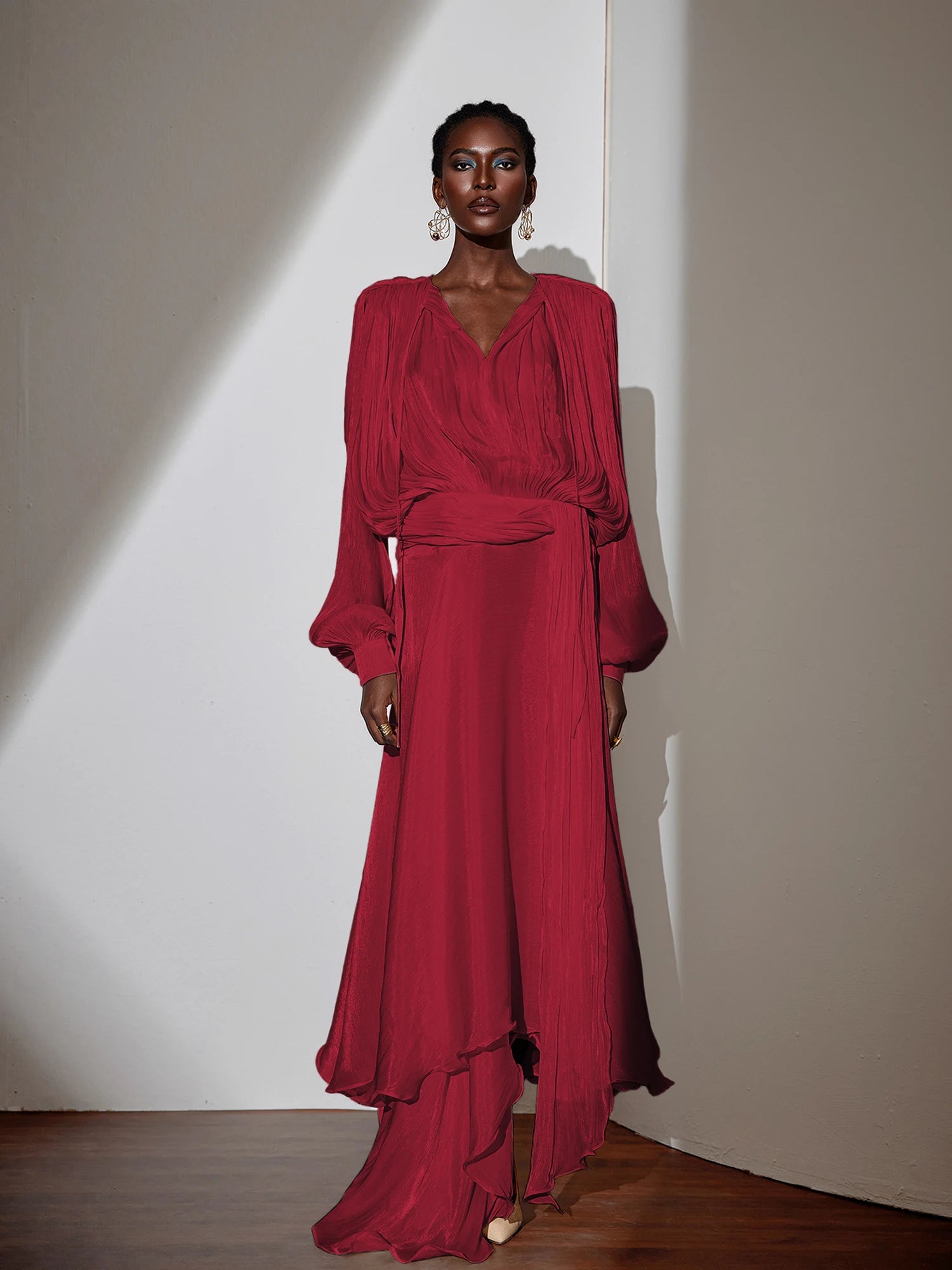
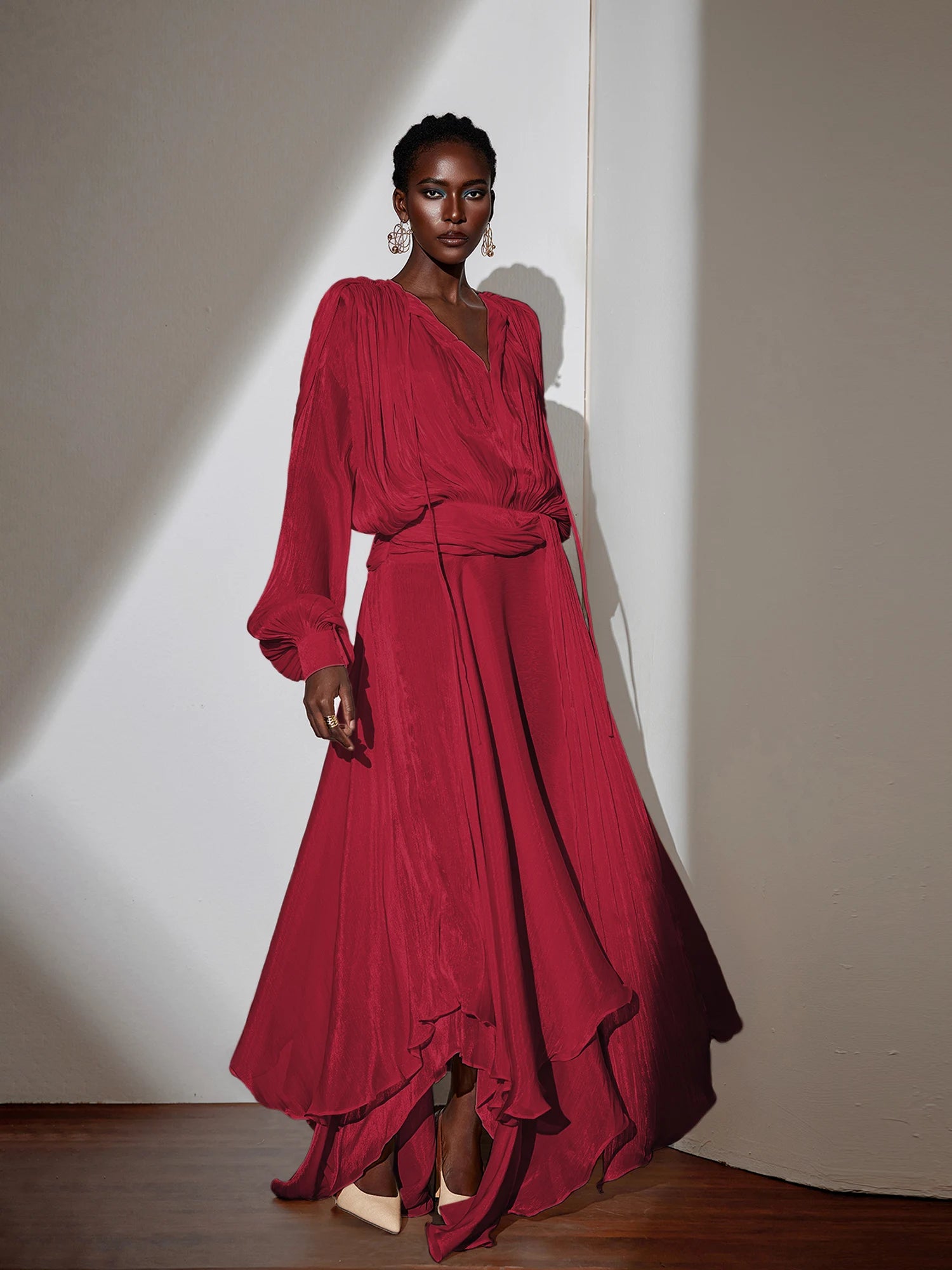
When you look at a beautiful dress, it’s not just the silhouette or print that makes it memorable—it’s the subtle design details, the thoughtful tweaks, the hidden touches. Learning to see those gives you confidence in quality, style, and selection.
Here’s how to start reading those little elements like a designer.
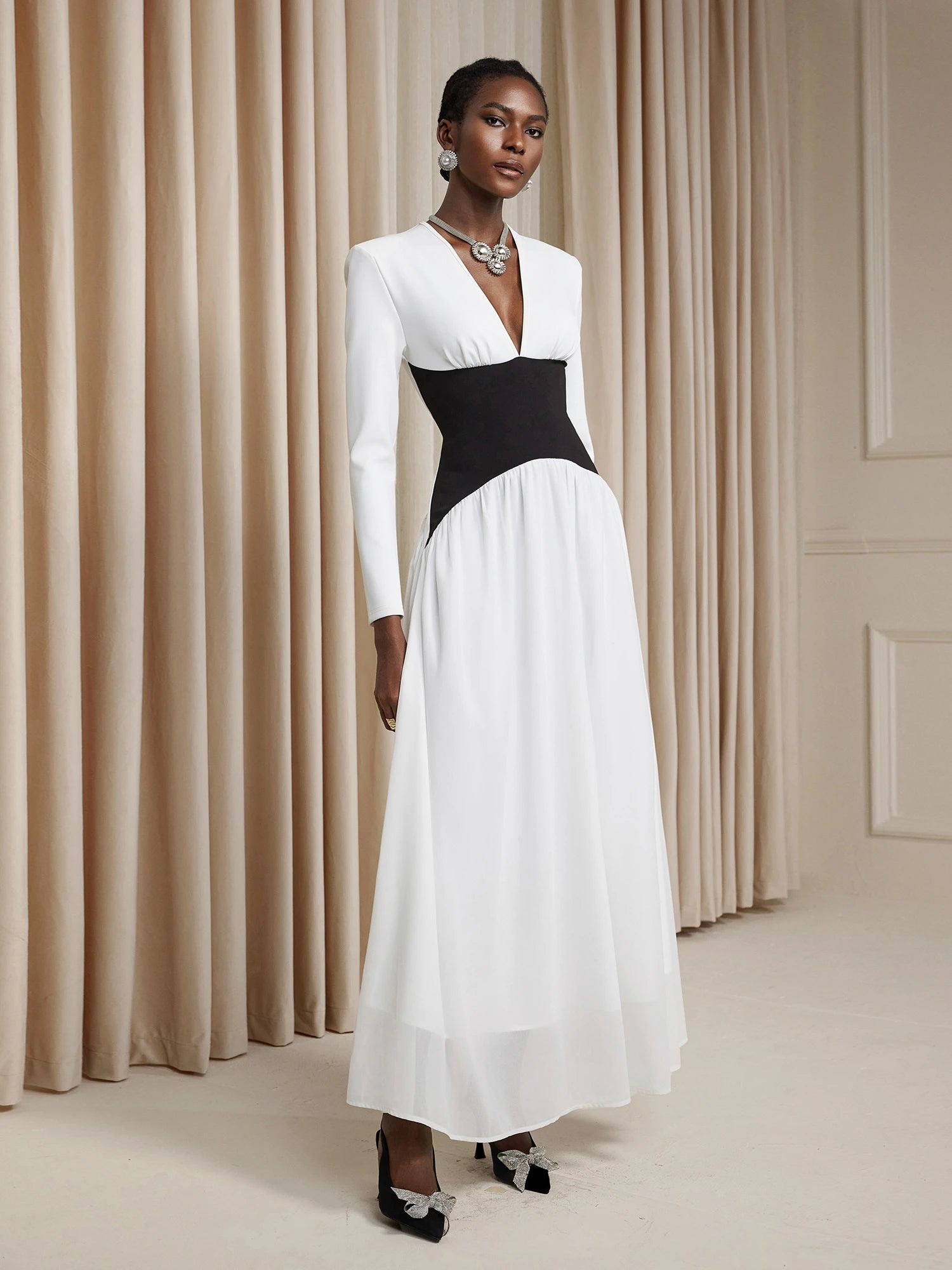
1.Seam Placement & Paneling
Why it work: The way seams are positioned or panels are cut can sculpt your shape, create lines, hide or accentuate curves. What seems like a plain dress may actually be doing a lot of visual work behind the seams.
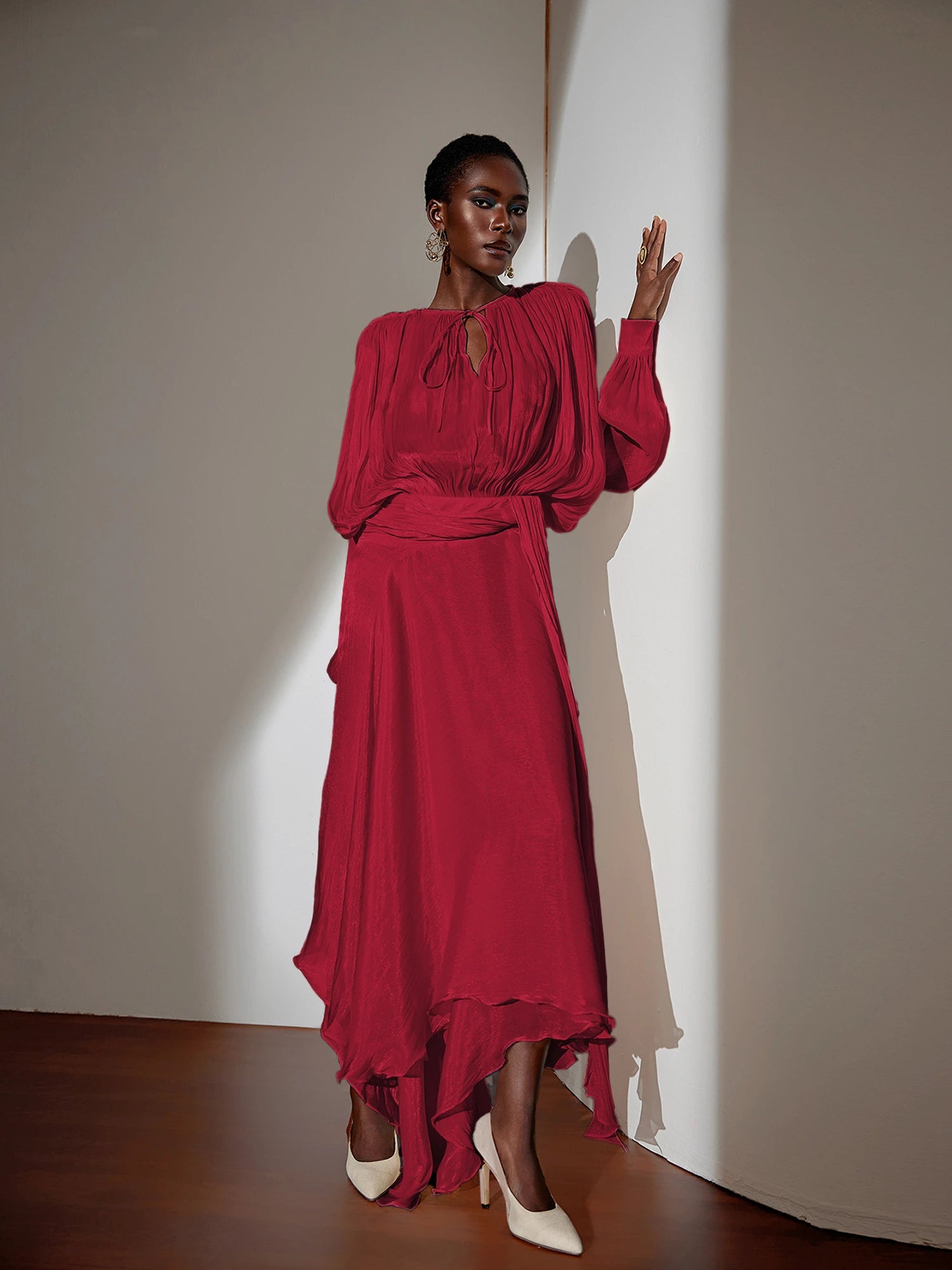
Tip: Look at the side seams, waist seams, princess seams. Do they curve inward or outward? For example, seams that dip inward just below the bust help define a waist subtly.
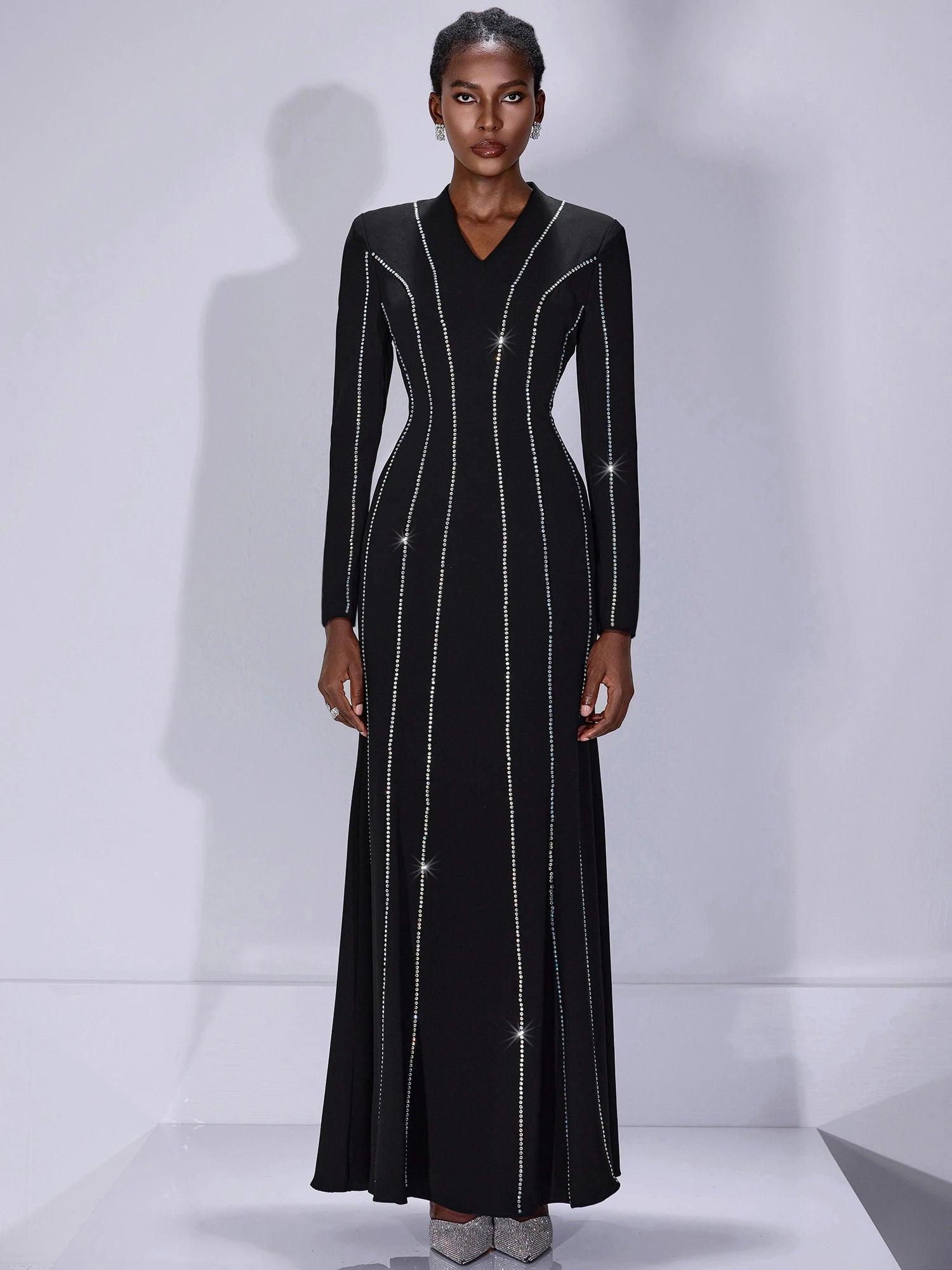

2.Fabric Treatments & Texture Shifts
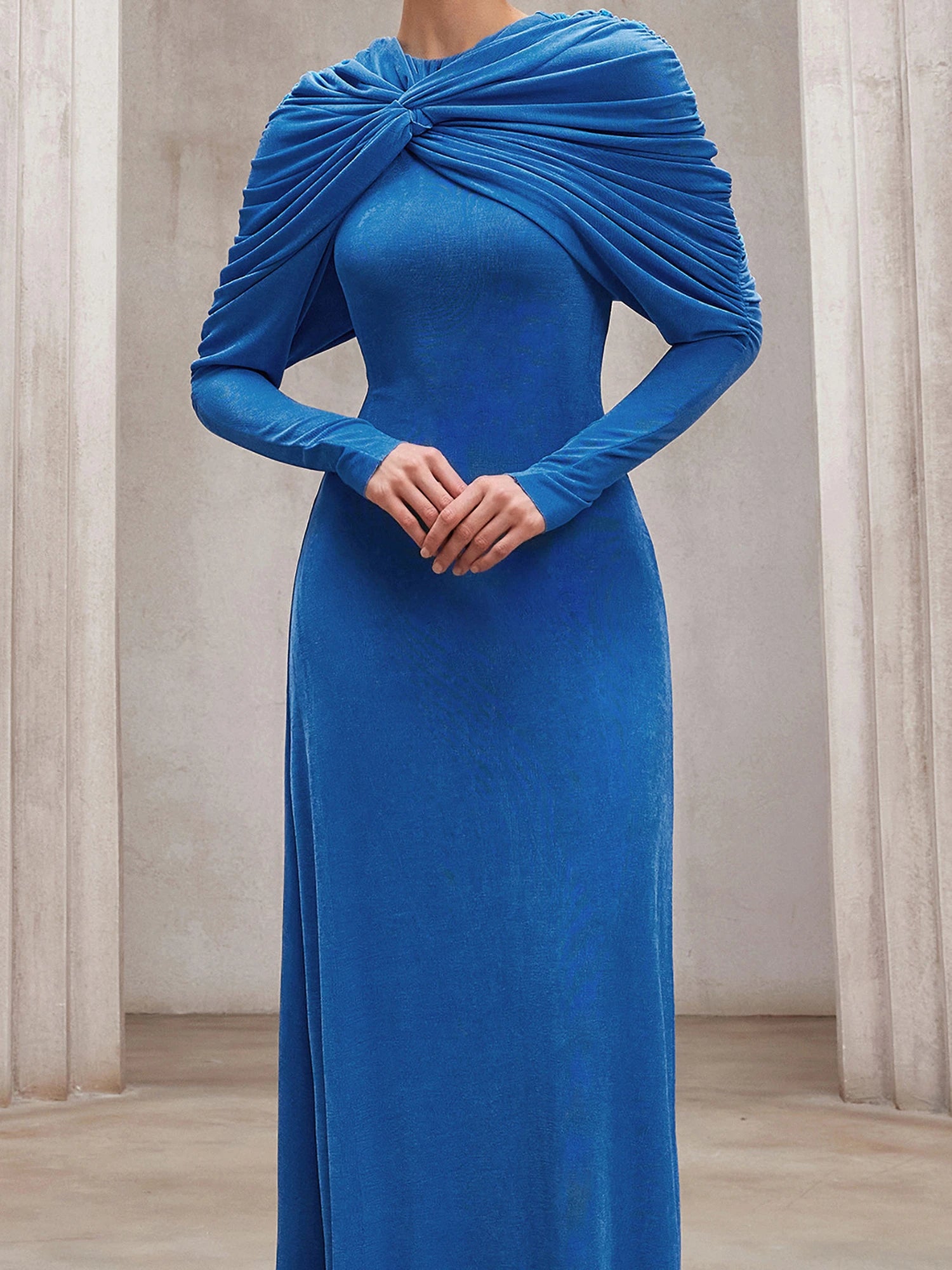
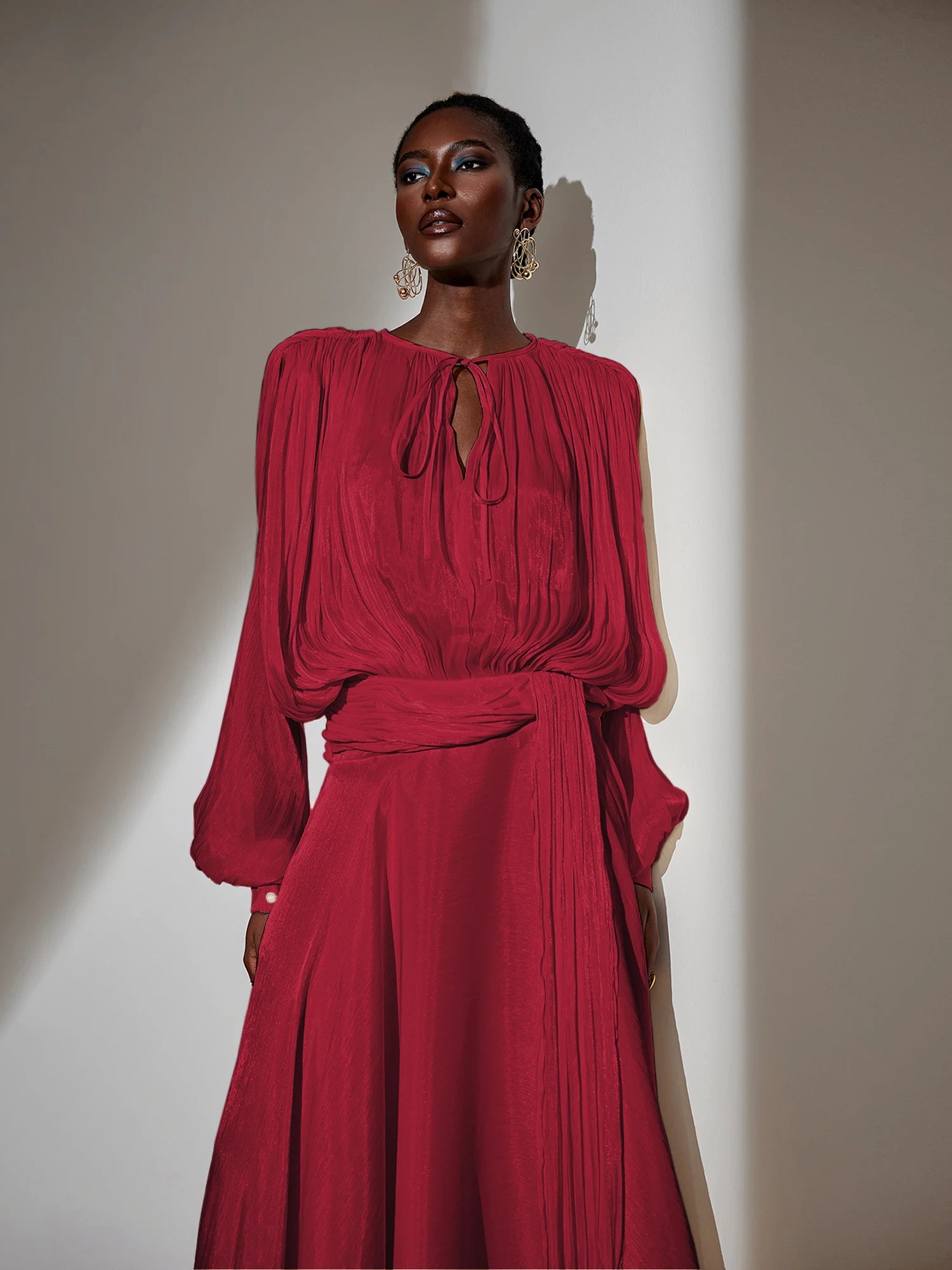
Why it work: Designers often change fabric finishes (matte vs. sheen), add subtle texture differences (gores, pintucks, micro-pleats), or mix panels to create interest without overwhelming the design.
Tip: Run your fingers over the surface in good light. See if some parts catch the light more (satin, boning) or if there’s a subtle rib, embossed pattern, or tone shift.
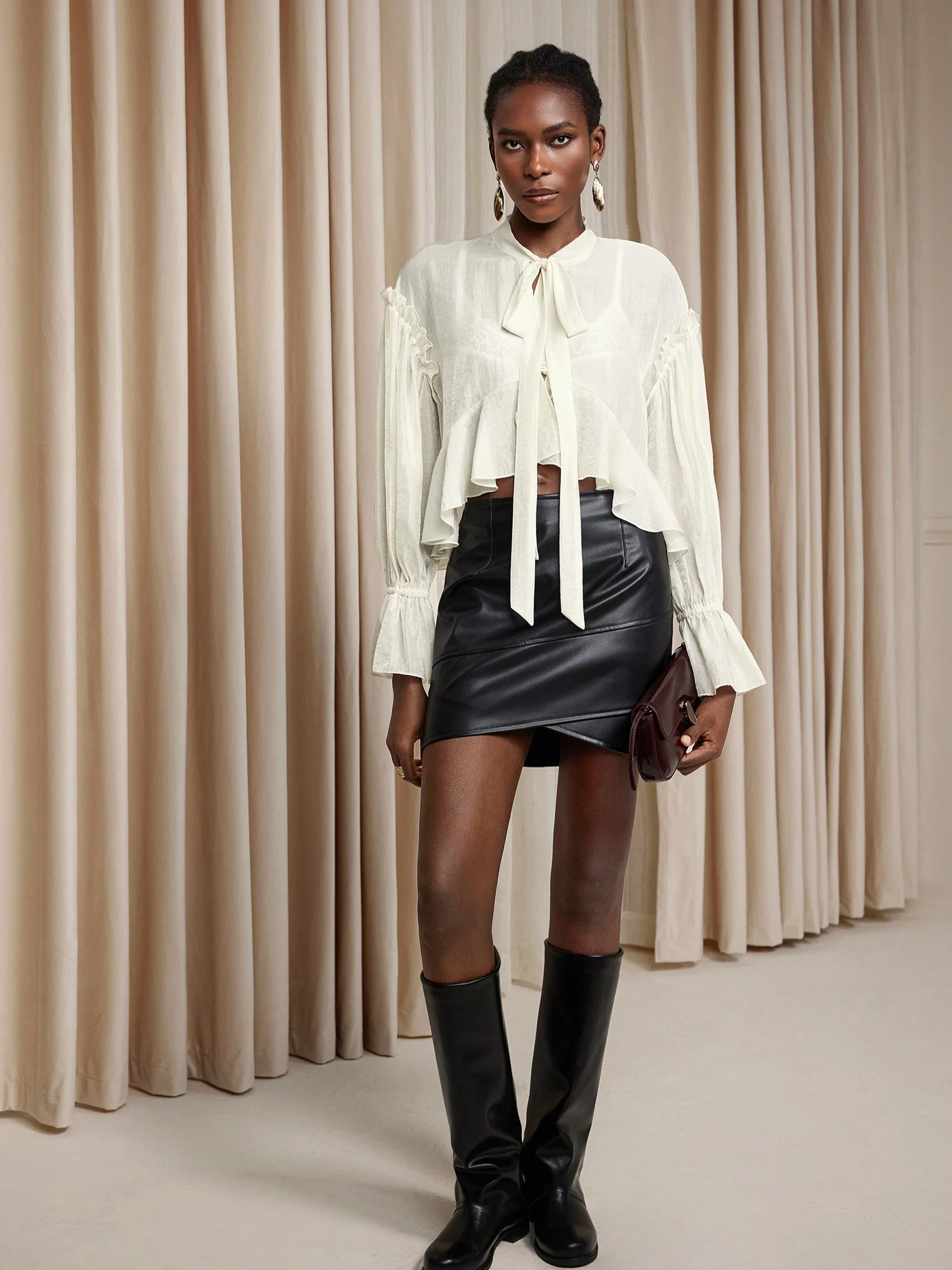
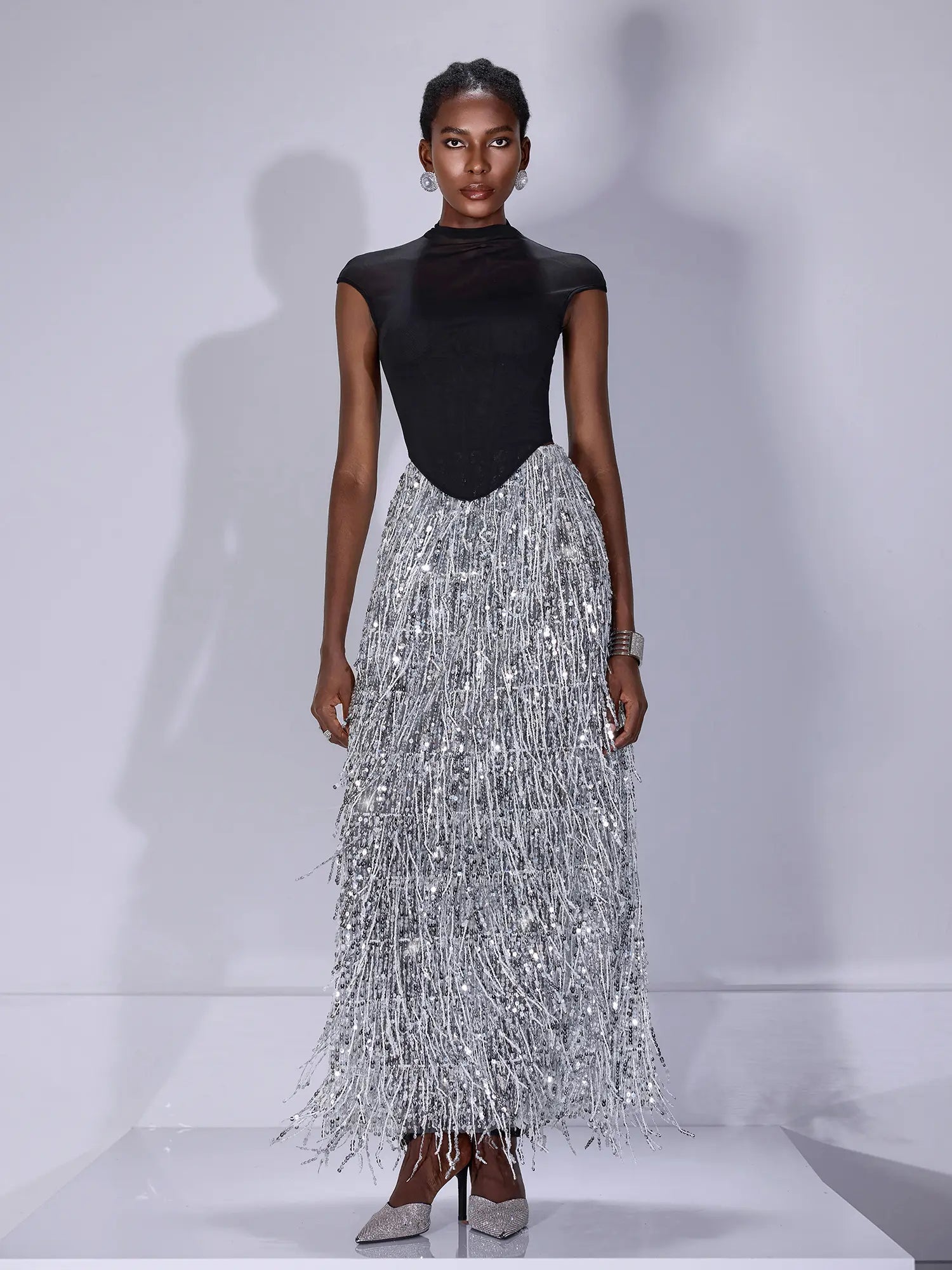
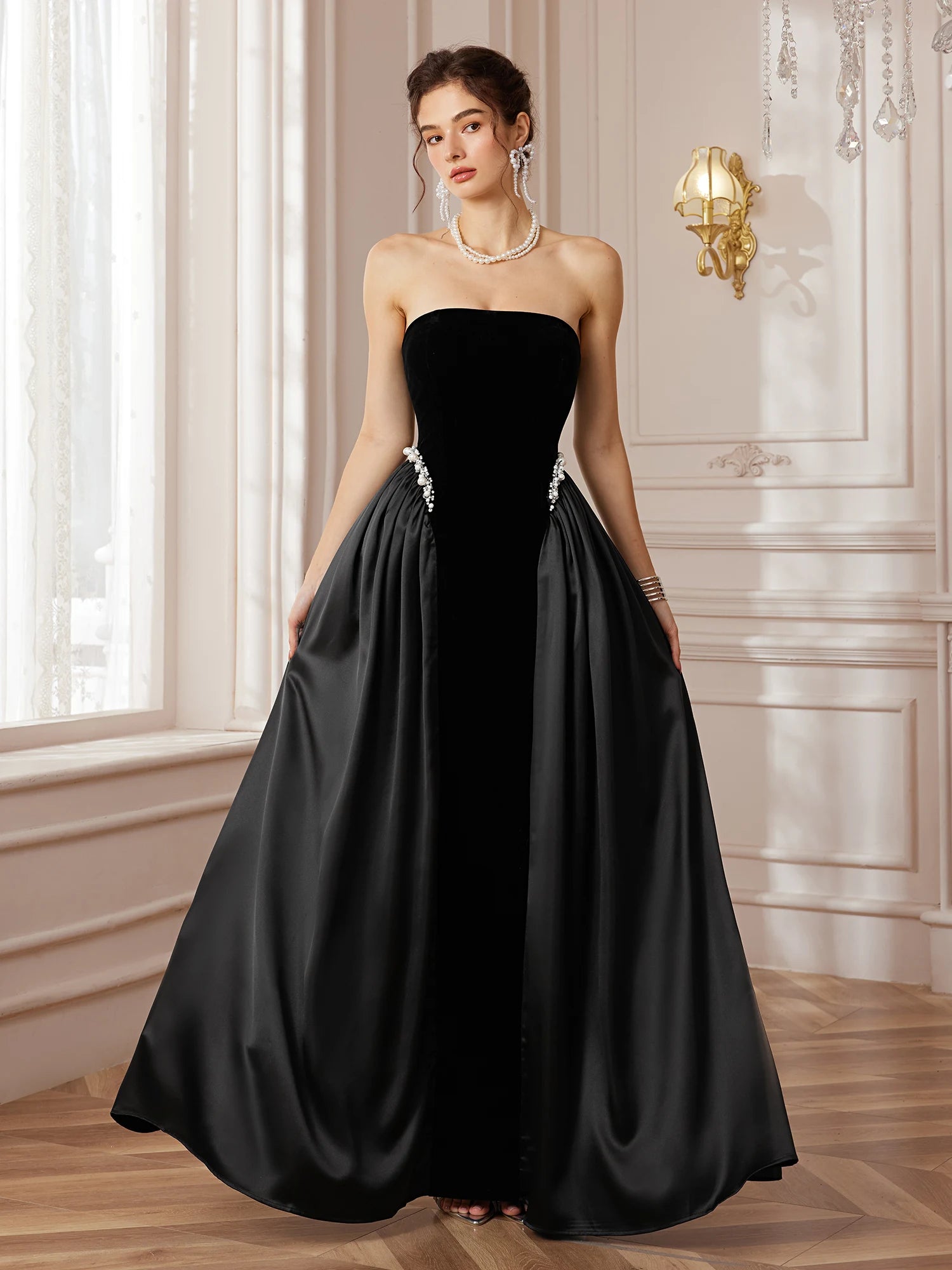
3.Hidden Functional Details
Why it work: Little functional touches—like an extra lining, hidden zippers, inner ties, or discreet slits—improve comfort and wearability, but they also reflect a designer’s care.
Tip: Check inside hems, behind flaps, or the back of necklines. Are there hidden hooks, partial linings, bias strips? These are signs of elevated construction.
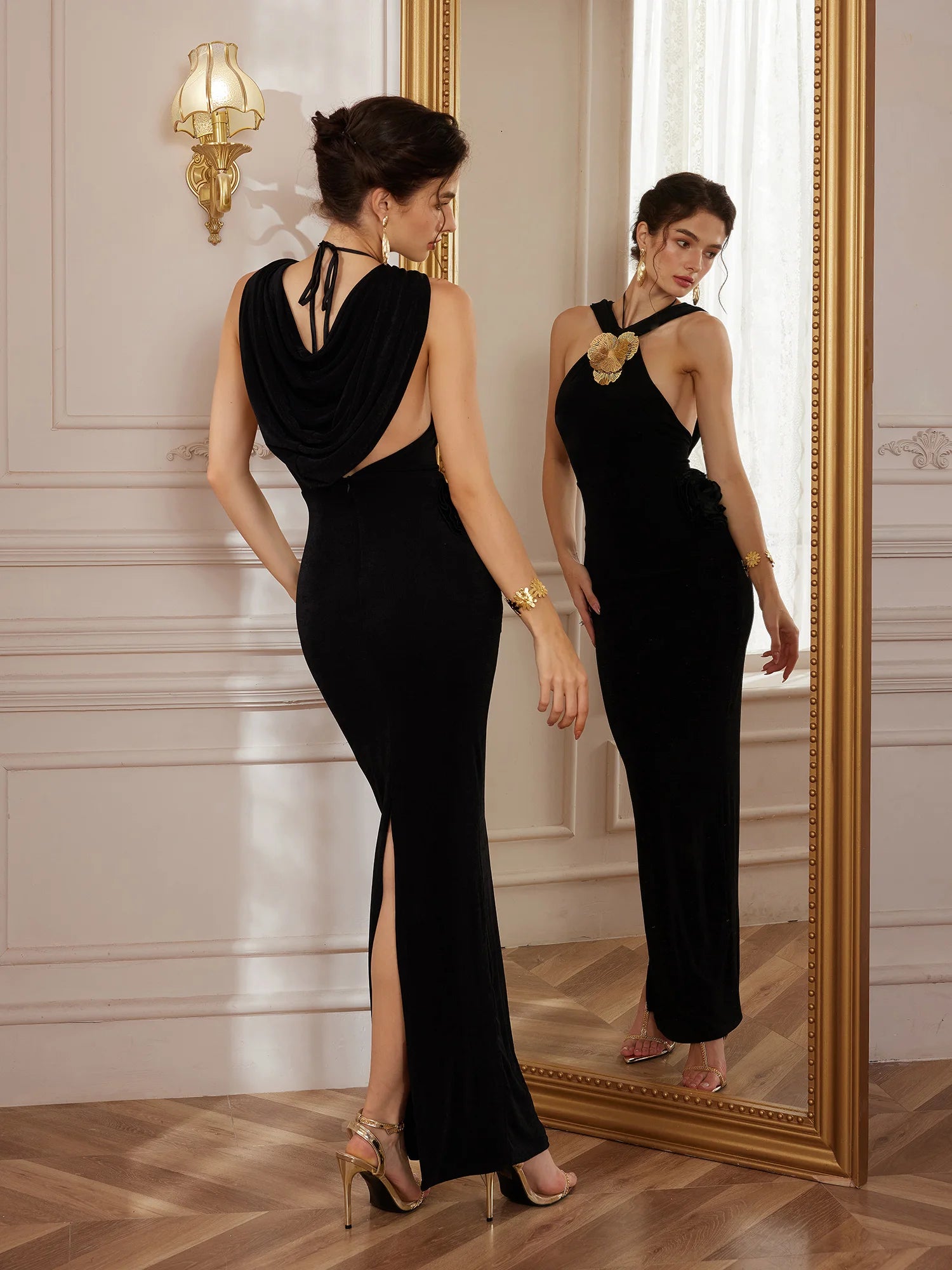
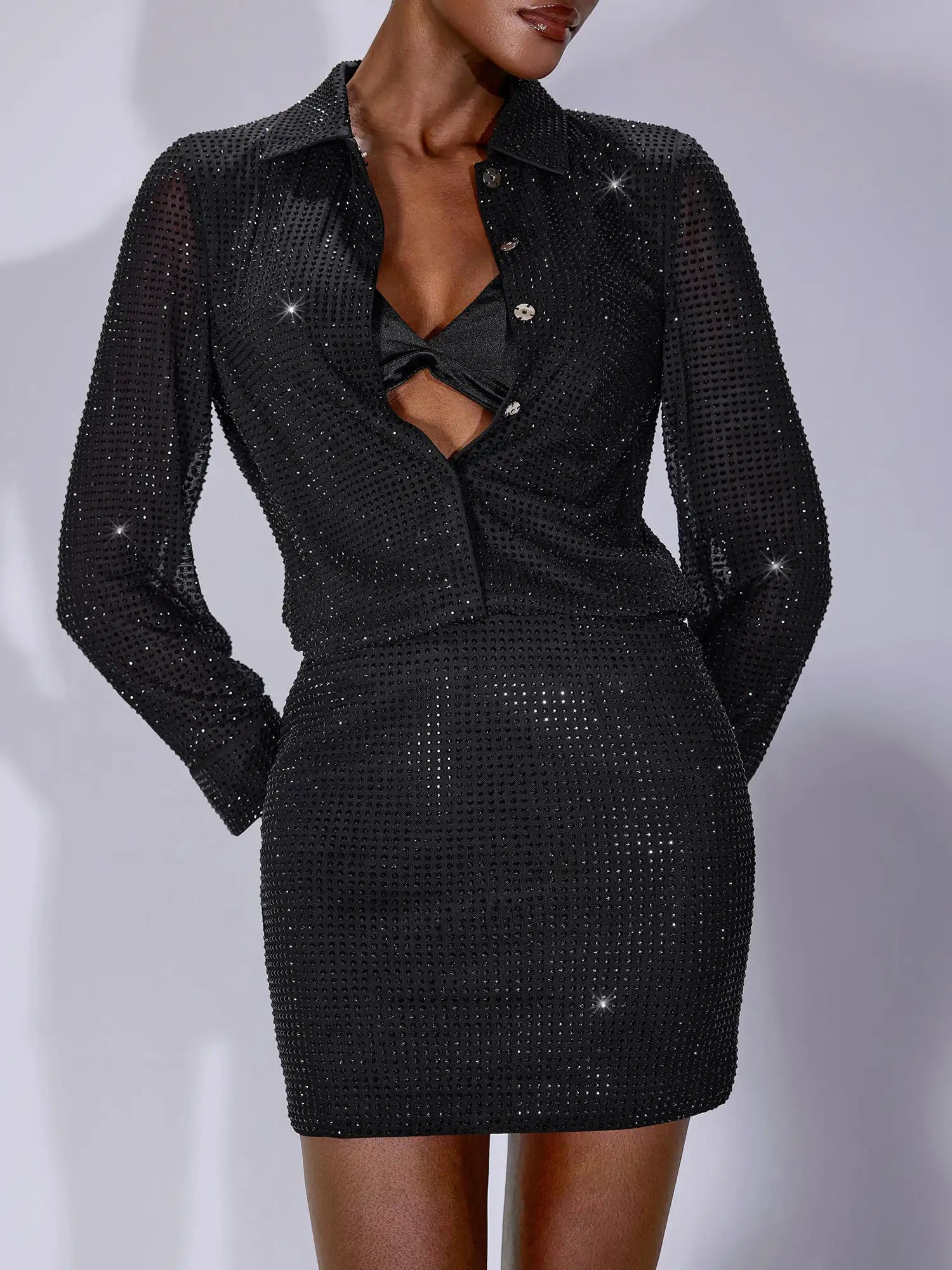
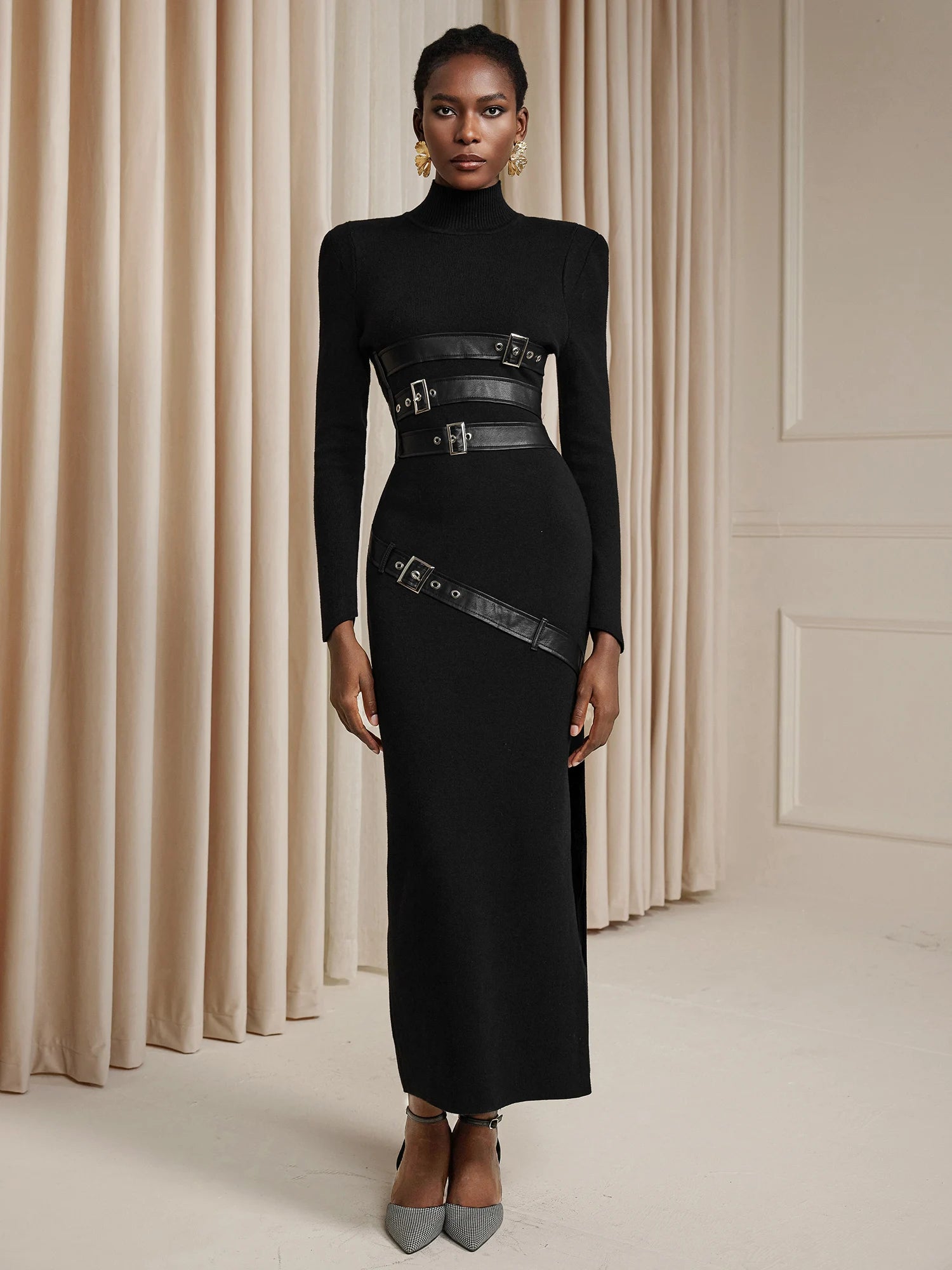
4.Edge Finishes & Topstitching
Why it work: The way raw edges are finished (rolled hem, French seam, bias tape) and the choice of topstitching (contrast, twin-needle, invisible) all contribute to the garment’s polish and visual effect.
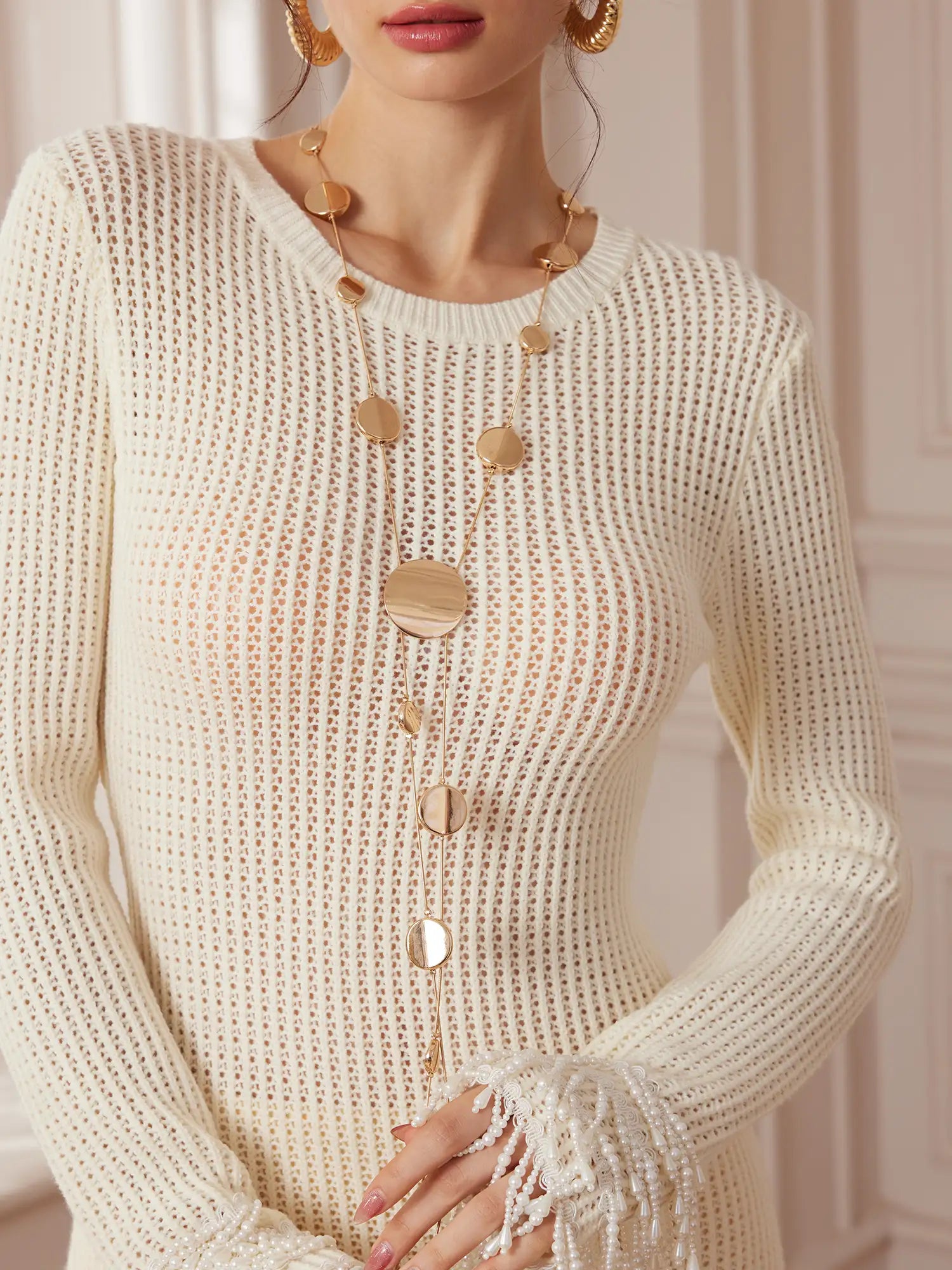
Tip: Inspect hems, sleeves, pockets. Do you see hand-sewn stitches, well-matched thread, or hidden stitching? These add refinement.
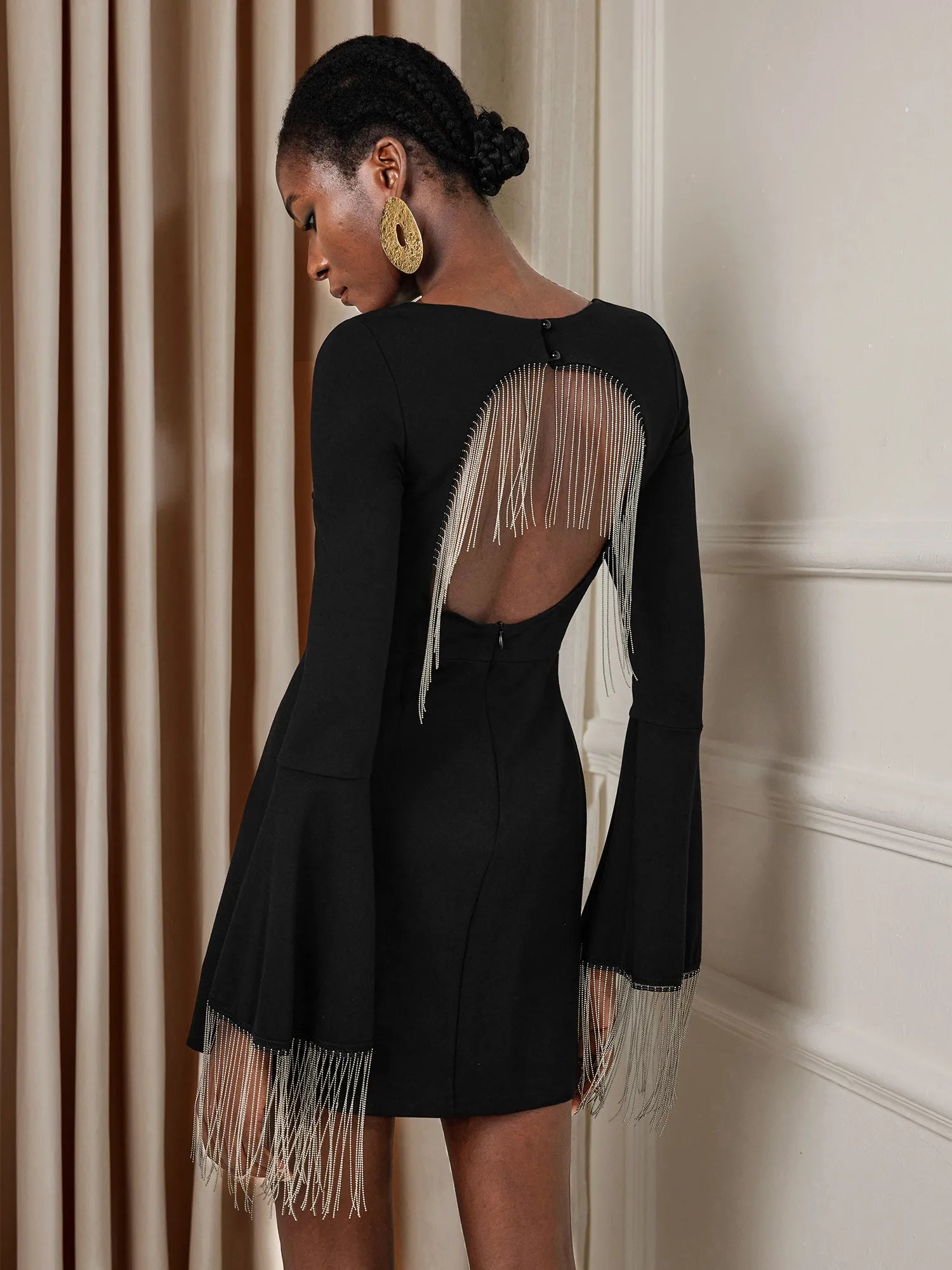
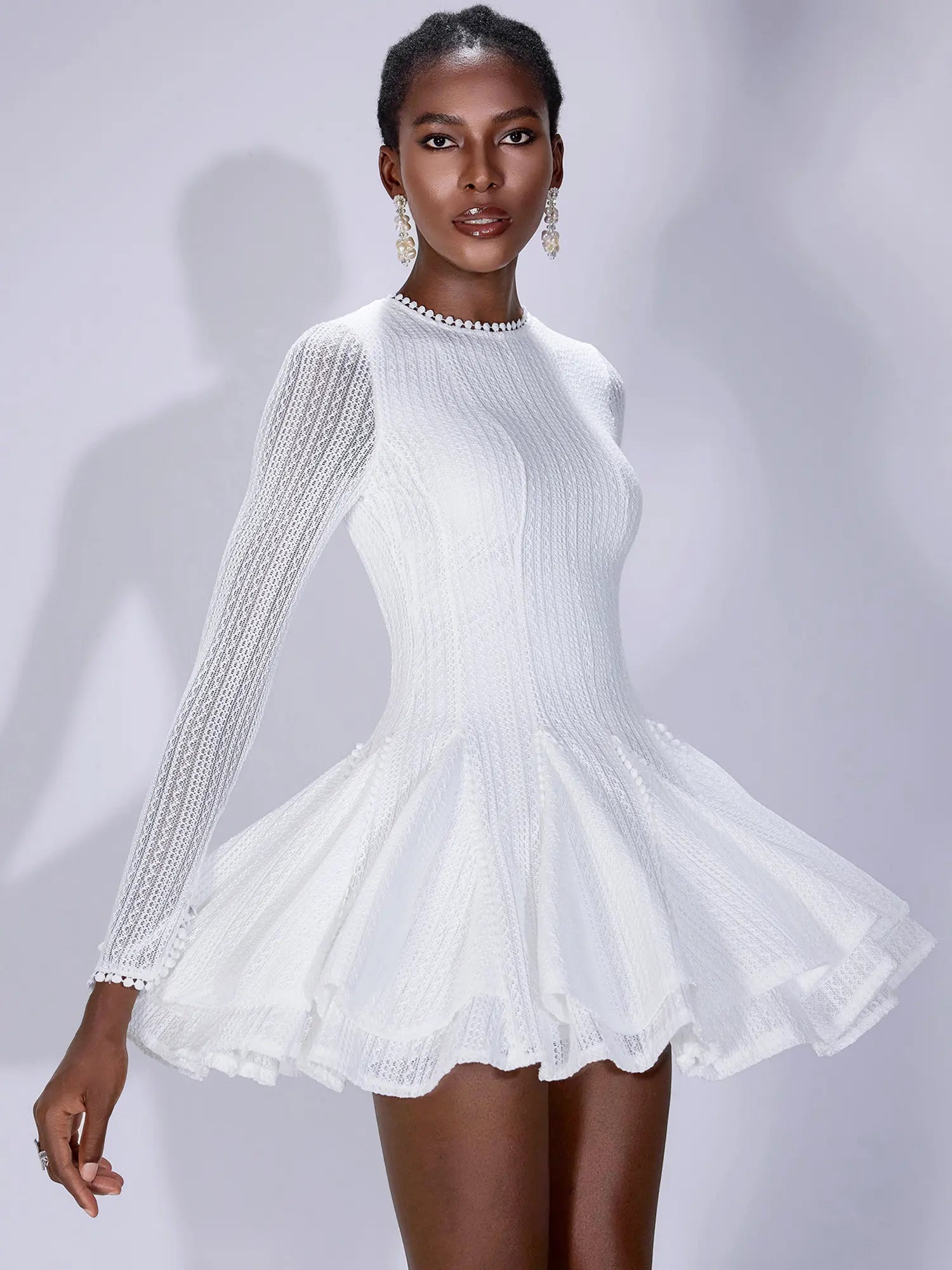
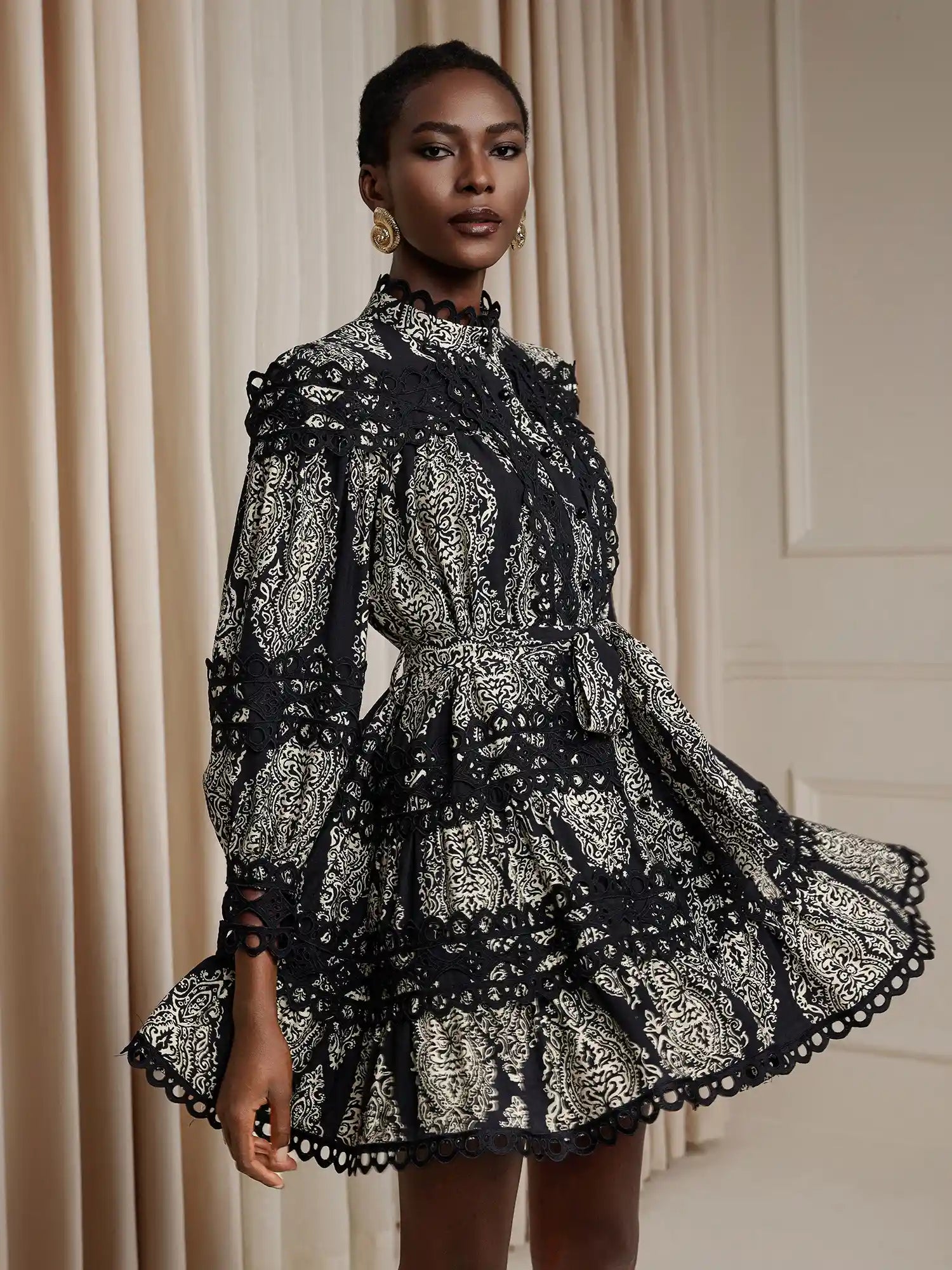
5.Proportioned Detailing
Why it work: Balanced pleats, proportioned ruffles, scaled print placement, and pocket size all influence how details read on your body—not too big, not too small.
Tip: Observe whether decorative elements are in scale with the wearer. A tiny ruffle on a long dress might disappear; a huge ruffle might overwhelm.
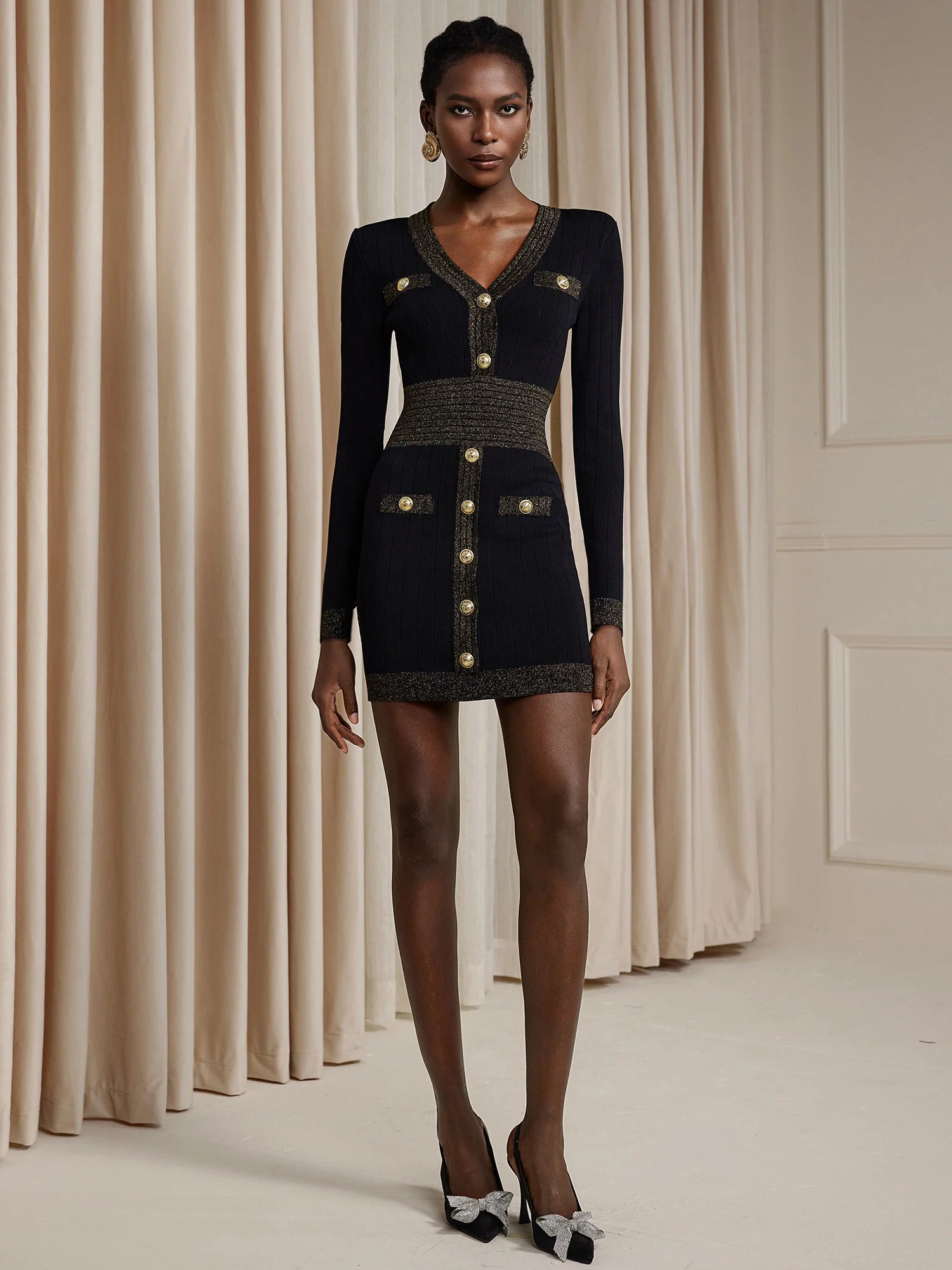
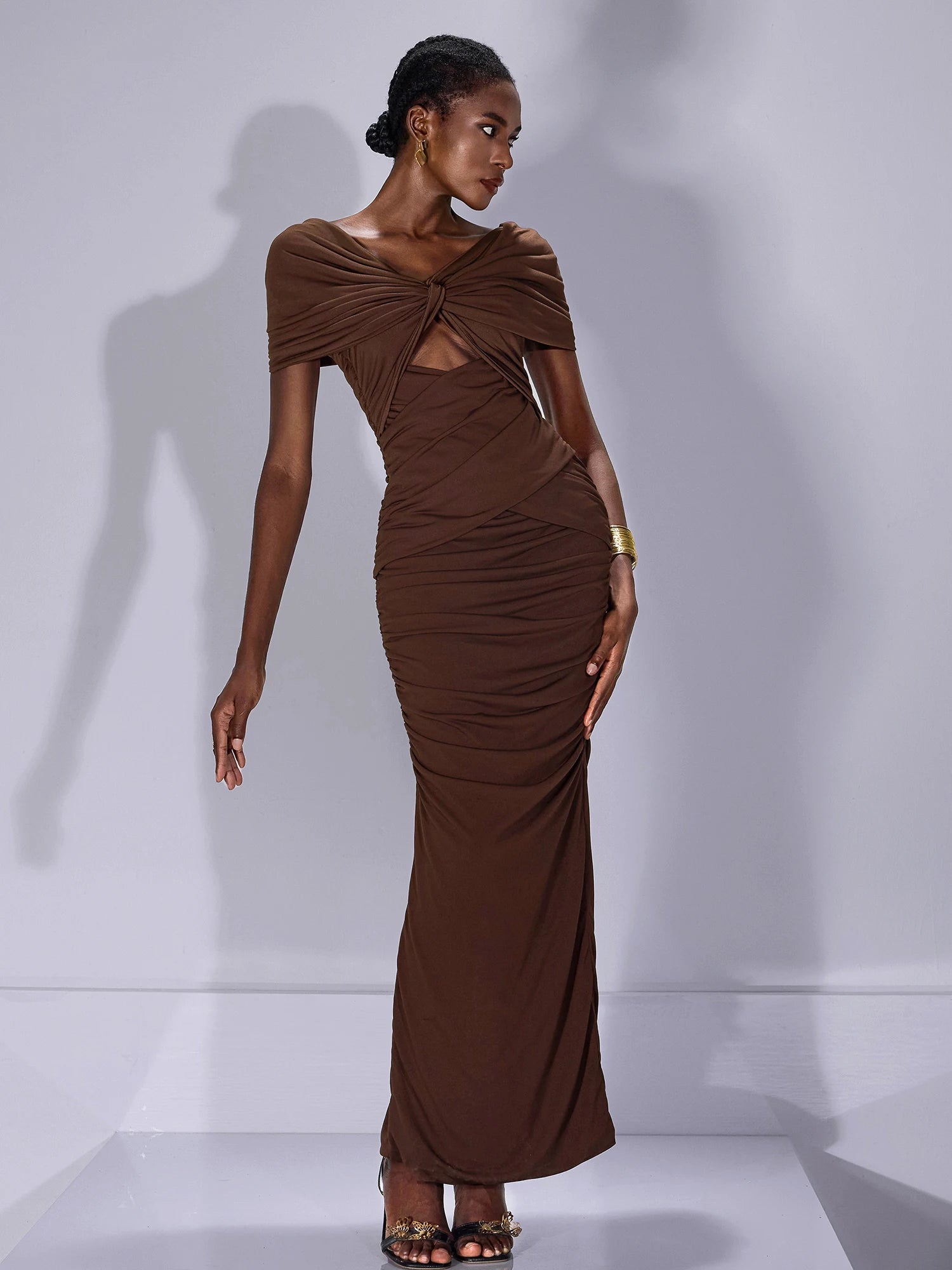
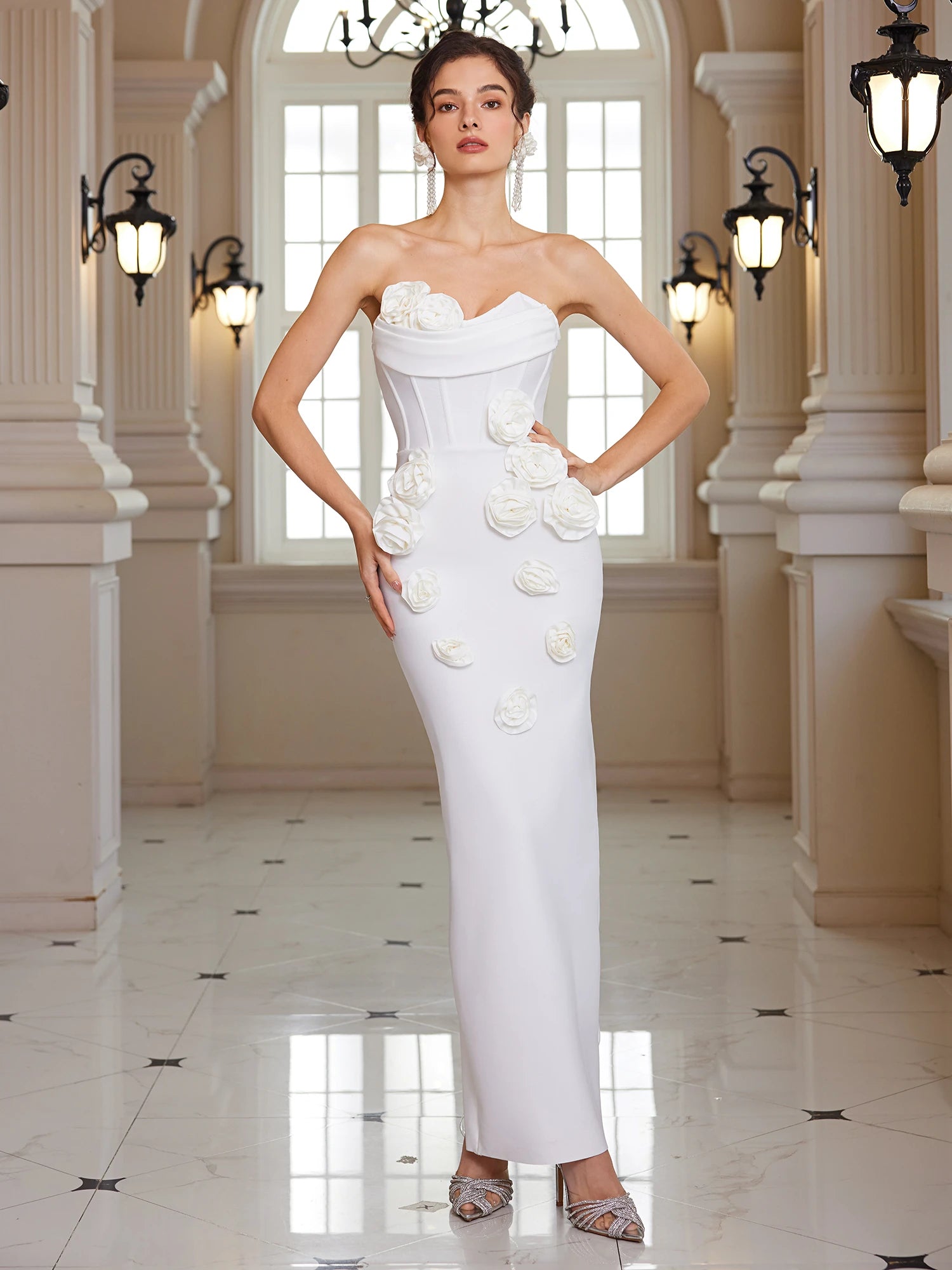
✨ Start seeing the invisible — those details tell the story.
Next time you try on a dress, pause and examine: seams, edges, linings, stitches. The better your eye, the more confident your choice will be.